




PETALING JAYA: Malnutrition has emerged as a major side effect of the Covid-19 pandemic.
Children of low-income families are the hardest hit as their parents lose jobs or have their incomes substantially reduced.
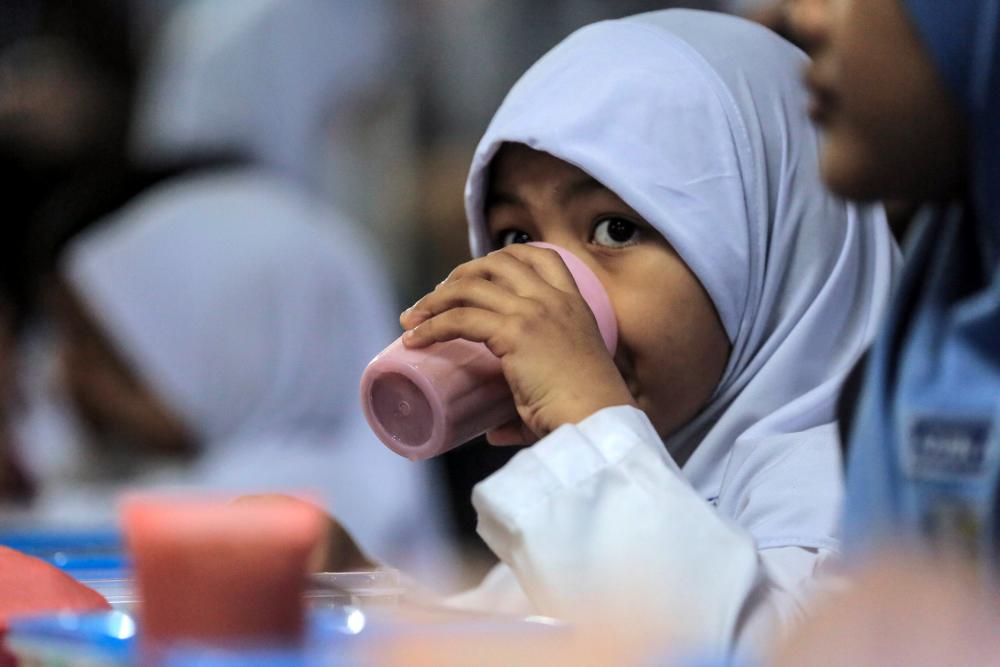
While their hunger could previously be sated under the Rancangan Makanan Tambahan (RMT), or supplementary food programme for schoolchildren, the closure of schools to curb the spread of Covid-19 has effectively cut off their regular supply of nutritious food.
To address the issue, the Peopleâs Health Forum (PHF) has proposed that free food under the RMT initiative be delivered to the childrenâs homes as long as schools remain closed.
PHF, a platform of several
non-governmental organisations and individuals committed to healthcare and human rights, said the government could work with parent-teacher associations and the relevant authorities at the district and local levels to leverage on existing mechanisms to get the food to the children.
While the budget allocation for the RMT last year has yet to be exhausted because of the closure of schools, the government has raised the allocation for this year to RM420 million.
World Vision Malaysia programmes manager Lydia Lee said it is more urgent now to have a food programme that can directly serve the needs of underprivileged children.
âFood is a necessity and it is more vital that children get enough nutrition in these trying times,â she said, adding that eating means more than simply having a meal to satisfy hunger pangs.
âFor many people, food is a matter of survival and for children, it brings long-term advantages.â
Lee said undocumented children are most vulnerable.
âThey meet obstacles in their quest for food, healthcare and education. For instance, healthcare is more expensive for undocumented children,â she pointed out.
She said children with impairments also find it more difficult to get healthcare or therapy, resulting in them being restricted at home, which could lead to more problems.
World Vision, an international Christian humanitarian organisation dedicated to working with families to overcome extreme poverty, has introduced its own initiative to get food to hungry children.
Under a community transformation programme it has launched in Sabah, a regular assessment is conducted to determine the needs of each household.
World Vision then purchases food items from the closest grocery store and distributes them to villagers. This ensures that they not only save on the cost of food but also on travel. In remote areas, a one-way trip to the grocery store could cost RM10 to RM25. The practice also serves to support local grocers.
Parent Action Group for Education president Datin Noor Azimah Abdul Rahim said the RMT programme should be continued at all costs.
âMany parents have lost their jobs and are struggling to put food on the table. Malnutrition has a long-term impact on the body.â
She said given Malaysiaâs wealth of natural resources, there is no excuse to leave children in harmâs way.
âThe Bendera Putih (White Flag) movement is a stark reminder that all is not well on the ground,â she said, adding that the government and schools should work together to support students and others in need.
âWhere there is a will, there is a way. Formulating a plan now is an excellent way to start.â
Borneo Komrad activist group member Izzat Dahelan said good food is always more costly, and a large proportion of households cannot afford it.
He added that one way to ensure children get proper food is for the government to provide nutritious meals that can be easily prepared at home.
âWe should not put the RMT on hold during the lockdown. We can find other ways to get the aid to those who need it most,â he said.



