




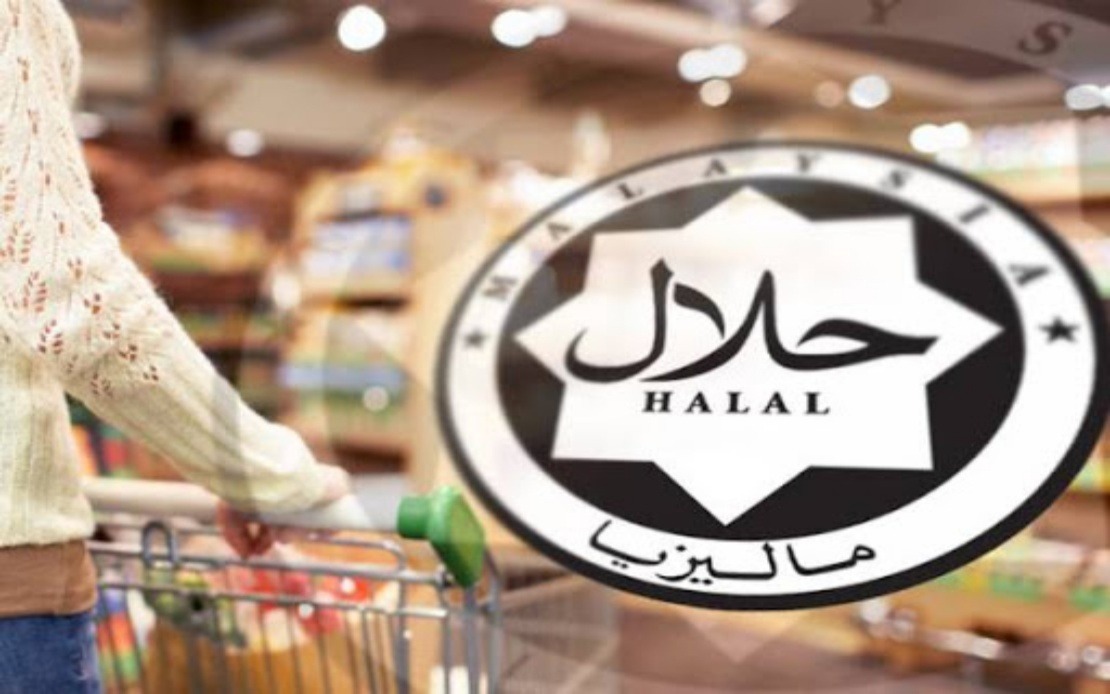
Food fraud cases in Malaysia spark concern over safety, fake halal claims and weak enforcement across markets
PETALING JAYA: Food fraud – from fake honey to mislabelled supplements and dubious halal claims – continues to infiltrate Malaysia’s market, raising concerns over public health and eroding consumer trust.
Consumer groups warn that adulterated and mislabelled food products remain a persistent threat, with enforcement gaps allowing questionable items to slip through.
Consumers’ Association of Penang honorary secretary Mageswari Sangaralingam said complaints related to food adulteration and mislabelling are not uncommon, although comprehensive recent data on frequently flagged products remains limited.
“In the past, one of the most common complaints involved ‘fake honey’ being sold as pure honey.
“We have also seen cases involving herbal and health supplements that are mislabelled in terms of ingredients, dosage or health claims, with some even containing undeclared pharmaceutical substances.”
She also highlighted more serious incidents in previous years, including cases where horse and kangaroo meat were allegedly mixed and sold as certified halal beef, triggering alarm among Muslim consumers.
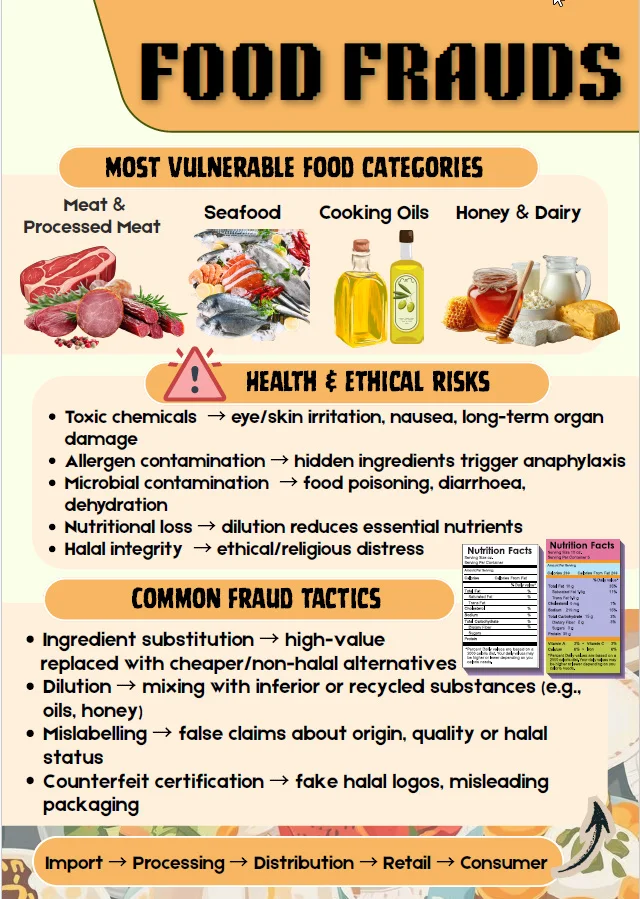
Plant-based “fake meat” products have also come under scrutiny, with concerns that some may be nutritionally deficient or contain potentially harmful ingredients.
Mageswari stressed that food fraud extends beyond product substitution, citing fraudulent halal certification as an ongoing issue.
She said data from the Domestic Trade and Cost of Living Ministry showed more than 140 cases of fraudulent halal certificates were reported between 2022 and October 2024, underscoring persistent vulnerabilities.
While Malaysia has established legal frameworks such as the Food Act 1983 and the Consumer Protection Act 1999, enforcement remains inconsistent.
“Malaysia’s regulations provide a solid foundation, but there are challenges in enforcement, particularly when it comes to monitoring small and medium enterprises, rural markets and imported products,” she said.
Public awareness has improved in recent years, particularly following high-profile scandals involving halal meat and mislabelled goods.
However, many consumers still struggle to identify authentic products amid limited transparency and misleading labelling.
“Categories such as honey, cooking oil, dairy products and halal-labelled food are among those most frequently associated with fraud risks.
“Despite growing vigilance, consumers remain exposed, particularly when certification logos are misused or product claims are exaggerated.”
The rise of e-commerce has further compounded the issue, with online purchases seen as more vulnerable due to the lack of physical inspection.
“Online sellers often promote items as ‘organic’, ‘low sugar’, ‘premium’ or ‘halal’, but consumers have to rely entirely on the claims made.
“Some imported products sold online may also bypass rigorous checks, making oversight more difficult.”
She added that increasingly complex supply chains, particularly in digital marketplaces, have made detecting fraud more challenging than in traditional retail environments.
To address the issue, the association is calling for stricter enforcement, greater transparency and stronger consumer empowerment.
Proposals include introducing QR codes or digital tracking systems on packaging to allow consumers to verify product origin, halal certification and authenticity.
It has also urged tighter regulation of e-commerce platforms, including requiring sellers to provide verified certification details and removing products found to carry false claims.
Authorities are also being urged to step up random laboratory testing on high-risk categories such as honey, cooking oil, dairy products and supplements.
At the same time, consumer groups stress that public education remains critical.
Shoppers should be equipped to identify red flags, such as suspiciously cheap “pure honey” or fake halal logos, and encouraged to report questionable products through existing channels.
“Ensuring food safety is a shared responsibility,” Mageswari said.
“Consumers, regulators and industry players must work together to strengthen trust and integrity across the food supply chain.”



