




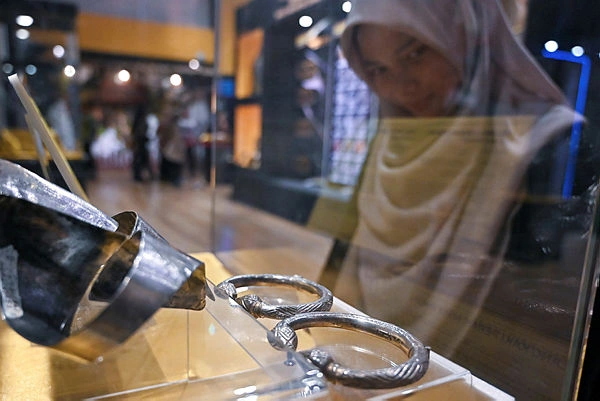
The Perak Museum showcases 140 metal heritage treasures exploring spirit, power and art in Malay culture until Dec 31.
TAIPING: A total of 140 metal heritage treasures of significant historical, cultural and artistic value are being showcased in the ‘Magic and Metal: Spirit, Power and Art’ exhibition currently held at the Perak Museum here.
Perak Museum director Mohd Nasrulamiazam Mohd Nasir said the exhibition, which runs from June 1 until Dec 31, focuses on three main elements: spirit, power and art, exploring the understanding and function of metal as a medium imbued with mystical, symbolic and cultural value, particularly within the Malay world.
“The uniqueness of this exhibition lies in the fact that it brings together, for the first time, the early metal-based collections of the Perak Museum, including various artefacts with historical, aesthetic and symbolic significance.
“In addition to the museum’s own collections, the exhibition is further enriched through strategic collaborations with notable figures and institutions, including sculpture collections by Raja Syahriman Raja Aziddin, silver ornaments from Yayasan Al-Amin, and Malay weaponry collections belonging to Nor Azahar Ibrahim,” he said.
He said this in a press conference after the opening of the exhibition, which was officiated by Department of Museums Malaysia director-general Datuk Kamarul Baharin A. Kasim.
Meanwhile, in his speech, Mohd Nasrulamiazam said the museum is targeting 100,000 visitors to the exhibition, with nearly 20,000 visitors recorded so far.
Among the collections on display are a 19th-century Malay traditional weapon with a snail-shell hilt, once owned by the 26th Sultan of Perak, Sultan Abdullah Muhammad Shah II; 18th-century Bugis warrior armor; and a spoon and fork set belonging to Raja Laut Ibni Sultan Muhammad Shah, the second son of the third Sultan of Selangor.
The exhibition is part of the Department of Museums Malaysia’s ongoing efforts to strengthen the role of museums as centres of knowledge, research and heritage preservation, while providing the public with the opportunity to better understand the historical and cultural values embodied in each collection.



