




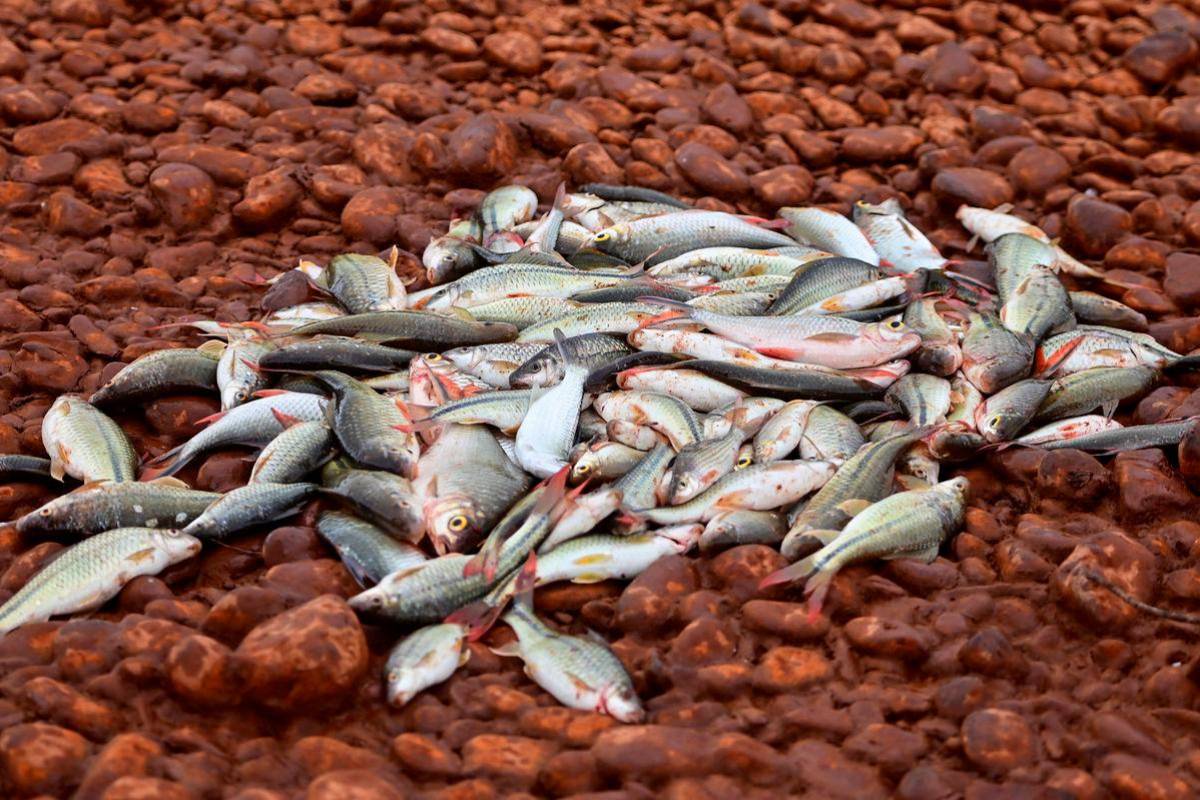
PUTRAJAYA: Malaysia’s total fish landings increased to 1.39 million metric tonnes in 2024, up from 1.27 million metric tonnes the previous year. This growth signifies the ongoing recovery of the national fisheries sector and supports sustainable seafood supplies for the population.
Perak state remained the highest contributor with 434,349 metric tonnes, followed by Sabah with 201,812 metric tonnes. Selangor contributed 163,732 metric tonnes while Pahang recorded landings of 144,651 metric tonnes. Although Kelantan and Terengganu saw slight decreases to 58,115 and 39,657 metric tonnes respectively, their figures remained higher than 2022 levels.
Department of Fisheries director-general Datuk Adnan Hussain attributed this achievement to resource conservation programmes under the 12th Malaysia Plan. The placement of 1,174 artificial reef units with a RM20 million allocation has positively impacted the marine ecosystem and fish landings. The country’s Fisheries Self-Sufficiency Rate improved to 91.6 per cent in 2024 from the previous year. The SSR for 15 major fish species also increased from 91.9 per cent to 93.3 per cent. Significant growth was recorded for high-value species including pomfret, red snapper, and chub mackerel.
This development shows domestic production has recovered in volume while strengthening in high-demand species. The success stems from a science-based resource management strategy and active fishing community involvement. Modern landing infrastructure development and fish stock assessments have also contributed to the positive results. The 2024 performance confirms the fisheries sector is on a positive trajectory with higher landings and improved self-sufficiency.
The Department of Fisheries will continue implementing sustainable measures to ensure sufficient, quality, and competitive fish supply. A recent study assessed pelagic fisheries resources along Peninsular Malaysia’s west coast from September 9 to 19. This research, supported by the Japanese Trust Fund through SEAFDEC, will provide scientific input for future stock management strategies. – Bernama



