




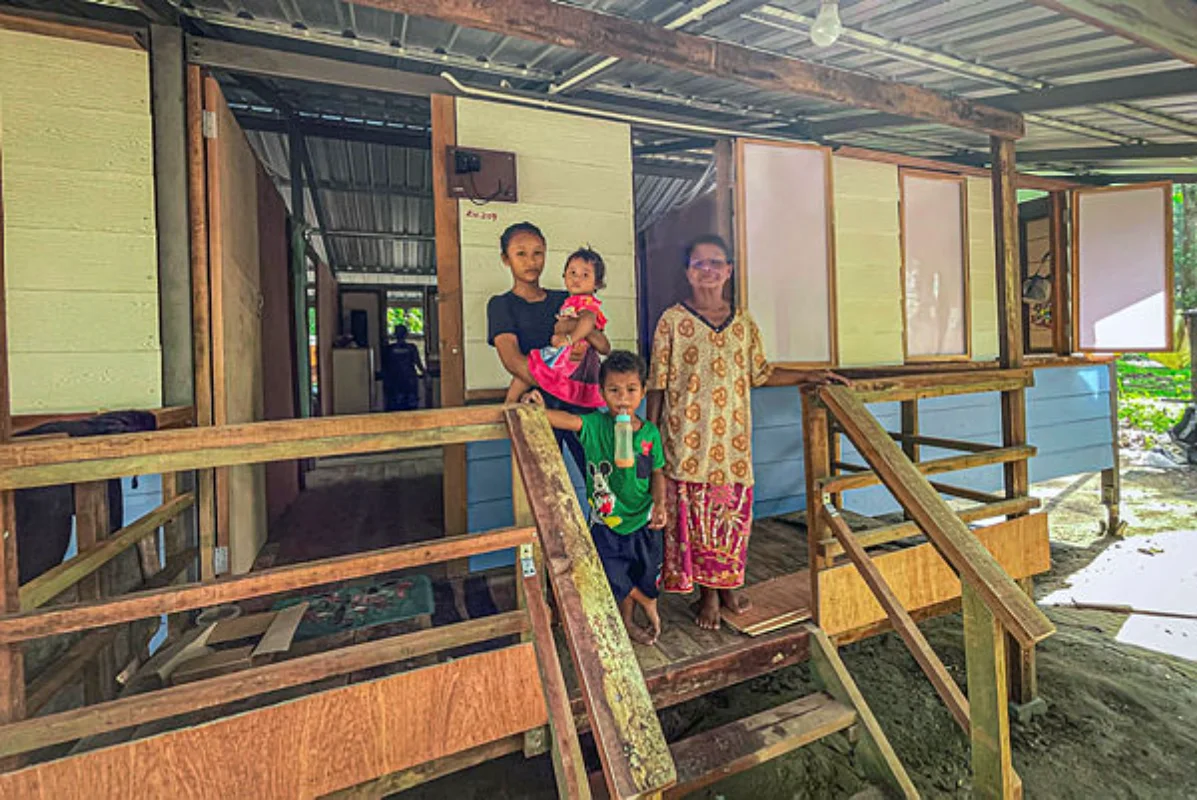
Grassroots leaders call for consent safeguards, land recognition and cultural protection
PETALING JAYA: The Orang Asli community has sounded the alarm over the proposed amendments to the Aboriginal Peoples Act 1954 (Act 134), warning that the government’s approach so far has been top-down and excludes the voices of grassroots leaders.
Kelantan Orang Asli Village Network (JKOAK) representative Nur Mohd Syafiq Dendi Abdullah said any revision of Act 134 should be an opportunity to strengthen the rights of the Orang Asli, particularly regarding customary land, community governance and cultural recognition.
Instead, he warned, the current process fails to provide meaningful engagement with the communities directly affected.
“Land and forests are our lifeblood,” Nur Mohd Syafiq said.
“If the amendments do not prioritise the community, they will result in the loss of land rights, culture and livelihoods.
“Without strong legal guarantees, our communities remain vulnerable to encroachment, logging and development projects imposed without our consent.”
He added that while the amendments could empower the Orang Asli, the government has not shared draft proposals, consulted community leaders or sought the opinions of those directly affected.
The coalition has highlighted several critical areas for improvement. Chief among them is the establishment of a free, prior and informed consent (FPIC) mechanism, enshrined in law, to ensure that no development or relocation occurs without the community’s agreement.
Other recommendations include explicit recognition and protection of customary land and territories, mandatory community consultation for natural resource management and formal recognition of traditional leadership systems and cultural practices in the legal framework.
Key proposals from the coalition include:
0 Recognition of Customary Land and Territories – a legal clause to formally acknowledge Orang Asli customary lands, ensuring that any development, relocation, or land-use decision is subject to FPIC. Customary areas cannot be disturbed without the legitimate consent of the community;
0 Establishment of an Orang Asli Customary Board – an independent statutory body tasked with managing and protecting Orang Asli rights, culture and land affairs. Board members would include representatives from all Orang Asli sub-ethnic groups, with responsibilities including policy consultation, recognition of traditional leadership and reviewing development projects; and
0 Recognition of Orang Asli sub-ethnic groups in Peninsular Malaysia – the act should list and formally recognise all sub-ethnic groups, including Temiar, Semai, Jakun, Semelai, Mendriq, Jahai, Jahut, Temoq, Che Wong, Temuan, Orang Kuala, Orang Kanaq, Kensiu, Lanoh, Kintaq, Mah Meri, Semagberi, and others. Recognition is vital to preserving languages, cultures and social systems unique to each group.
Nur Mohd Syafiq stressed that these proposals reflect aspirations for justice, identity recognition and holistic empowerment of the Orang Asli community.
On Dec 19, the Coalition of Orang Asli NGOs held two meetings with key institutions on the proposed amendments – first with the Human Rights Commission of Malaysia (Suhakam), followed by a session with the Bar Council.
During discussions with Suhakam, the coalition emphasised that the government had refused to present draft amendments to Orang Asli leaders, sidelining the community in shaping legislation affecting their lives.
It hopes Suhakam will urge the government to involve knowledgeable Orang Asli representatives, ensuring an inclusive process that produces a “win-win” outcome.
At the Bar Council meeting, the coalition sought legal guidance to scrutinise key clauses and safeguard the rights, lands and cultural heritage of the Orang Asli. The coalition also expressed gratitude to NGOs facilitating these meetings and urged the Madani government and parliamentarians to take their demands seriously.
“This is a collective demand of the Orang Asli community in Peninsular Malaysia. We call for amendments that uphold justice, identity recognition and empowerment, ensuring future generations can live with dignity on their ancestral lands.”



