



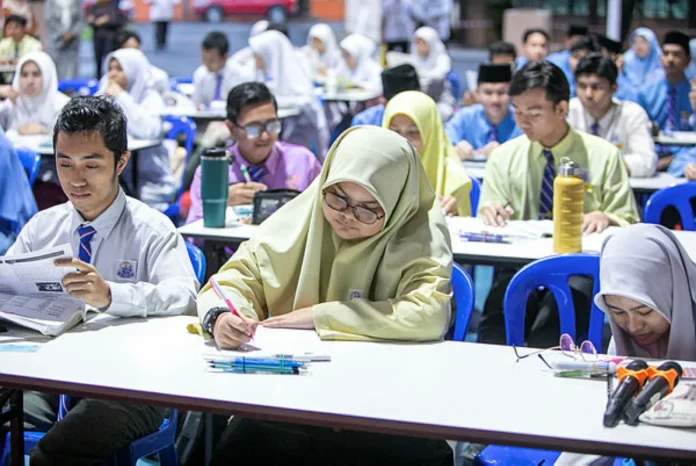
Looking ahead to 2026, academics urge deep reforms, mindset shift to prepare students for future classrooms
PETALING JAYA: As 2025 winds down, Malaysia’s education sector has marked key developments, from the rollout of digital learning tools in rural schools to pilot programmes boosting Science, Technology, Engineering and Mathematics (STEM) and critical thinking skills.
Despite persistent challenges such as teacher shortages and uneven resources, policymakers and educators view the above initiatives as crucial steps towards modernising the system and readying students for tomorrow’s demands.
Universiti Kebangsaan Malaysia education expert Dr Anuar Ahmad stressed that beyond budget and staffing, systemic reform and mindset change are crucial to realising the full potential of Malaysia’s education system.
“The key is to change our mindset and the way bureaucracy functions. If we don’t, we will remain in the current form. But there is hope.”
Anuar also highlighted a wider structural gap in Malaysia’s education system, saying that it remains trapped in a developing-country model, where classrooms are largely teacher-centred and textbook-based, with lessons focused on deductive learning rather than creativity, critical thinking, communication or problem-solving.
“Teachers are still teaching while students listen and methods remain largely textbook-driven. In more developed education systems, teachers have autonomy and are trusted to tailor lessons to the needs of their students.”
He also cited the system’s centralisation as a barrier, with decisions from lesson planning to school closures previously requiring approval from superiors. Only recently have schools gained more authority to make such decisions independently.
“We are still thinking like a developing country, centralised and rigid. To move forward, we need a system that gives teachers and school staff confidence to implement the best educational practices according to their students’ needs.”
Anuar also called for a change in mindset, saying Malaysia needs an education system that gives teachers more freedom while keeping up with digital tools and modern teaching methods.
He cautioned that piecemeal changes could inadvertently affect other systems and emphasised that reforms must consider broader classroom impacts rather than simply meeting administrative requirements.
Anuar also stressed the importance of teacher and student competency, as educators should have a deep understanding of education, mastering fields such as psychology, pedagogy and sociology, while also embracing a strong foundation in education philosophy.
“Philosophy does not mean sticking to old practices. It is about thinking what is best for our children today and what will serve them well in the next 15 to 20 years. I believe this is extremely important.”
Malaysia Association for Education president Dr Mohd Majid Konting said looking ahead to 2026, Malaysia’s education system must prioritise resilience and student-centred learning.
“Meaningful learning is the essence of a resilient and student-centred education. Teaching and learning must fully support this, especially if we aim to develop students’ character holistically, in line with our National Philosophy of Education,” he added.
On assessment reform, Majid said this year’s SPM changes show the need to shift from the content-based secondary school curriculum to the standard secondary school curriculum, which is a learning-outcomes-focused curriculum that requires embracing student-centred assessment, with teachers best placed to assess both students’ knowledge and character.
He added that parents and society at large must align with these reforms rather than remain attached to the old content-based exam system.
“Assessment reforms are moving Malaysia in the right direction, fostering holistic development, including physical, emotional, spiritual, intellectual and social skills.
“Teachers and parents should receive professional training in student-centred pedagogy and classroom assessment, which are essential for meaningful learning.”
Looking ahead, Majid said the implementation of the 13th Malaysian Plan (2026–2030) and new education blueprints for both schools and higher education institutions will be pivotal.
He emphasised that effective communication and implementation are key and that teachers, staff, parents and the wider community must have the right knowledge and mindset to carry out reforms successfully.
“By working with local and international partners, we are moving from rote, content-based learning to outcome-based, student-centred education. Our qualified teachers are committed to implementing these reforms, and parents and stakeholders must continue to support meaningful change.
“We are optimistic about the future of our education system.”



