



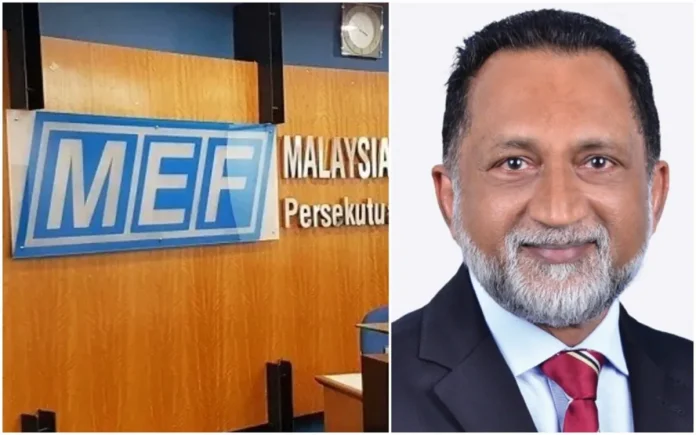
PETALING JAYA: As 2025 draws to a close, the Malaysian Employers Federation (MEF) has acknowledged that the year has been a particularly challenging one for employers, marked by increasing domestic and global uncertainties that have significantly reshaped the business landscape.
In a statement today, MEF said employers across Malaysia have had to navigate a difficult operating environment throughout 2025, characterised by global economic volatility, geopolitical tensions, supply chain disruptions and slower business growth.
At the domestic level, it added, businesses have also faced rising compliance demands, escalating operational costs and growing regulatory complexity.
MEF president Datuk Dr Syed Hussain Syed Husman said, “2025 has tested the resilience of Malaysian employers like never before.”
While businesses remain committed to sustaining operations and protecting jobs, the reality is that opportunities have narrowed while challenges have continued to intensify, he added.
Throughout the year, Syed Hussain said, businesses have faced headwinds arising from geopolitical tensions, global inflationary trends, supply chain disruptions and slower demand growth, which have collectively reduced business opportunities while increasing operational risks.
MEF highlighted that employers, particularly MSMEs, have been significantly impacted by the rising cost of doing business, including higher wages, increased statutory contributions and compliance costs arising from multiple new and overlapping legislations.
Syed Hussain remarked that the pace and the volume of legislative changes have added considerable pressure on employers, especially MSMEs which have limited financial and administrative capacity.
At the same time, he added, access to financial support and incentives has not kept pace with the growing cost burden faced by businesses.
“MSMEs have been disproportionately affected, particularly due to the lack of sufficient financial assistance, targeted incentives and capacity-building support to help them adapt to new wage structures, social security requirements and compliance reforms,” he said.
MEF urged the government to moderate the pace of amendments to laws affecting employers.
“Employers are currently under significant pressure due to the volume of regulatory changes being introduced simultaneously. While MEF is not opposed to reforms, such changes should be implemented in a structured, phased, and well-planned manner, with adequate consultation and transition periods. Greater stability and predictability in the regulatory environment are essential to allow employers to adjust effectively, plan with confidence, and focus on long-term sustainability and growth,” said Syed Hussain.
He added, “2025 has been a demanding year for employers across all sectors. While employers remain committed to sustaining businesses and preserving jobs, the cumulative impact of rising costs and regulatory obligations has placed significant strain on business sustainability.”
At the domestic level, MEF highlighted that employers have had to absorb higher wage-related costs, including the implementation of minimum wage adjustments, additional statutory benefits and rising payroll-related expenses, at a time when business margins remain tight.
MEF also expressed concern over the growing complexity and volume of employment-related legislation and compliance requirements, including frequent regulatory changes, reporting obligations and administrative processes.
“The pace of regulatory expansion has added to the cost of compliance and administrative burden on employers. There is an urgent need for better policy coordination, adequate transition periods and clearer guidelines to ensure compliance does not unintentionally stifle business growth,” Syed Hussain noted.
Despite these challenges, MEF acknowledged the efforts of the government and stakeholders in maintaining dialogue and cooperation throughout 2025.
“MEF appreciates the government’s engagement with employers and the continued commitment of all tripartite partners to maintaining industrial harmony,” Syed Hussain said, adding that meaningful consultation has helped mitigate some challenges, and this approach must be strengthened.
Looking ahead to 2026, MEF called for a more balanced and consultative policy framework that supports both worker welfare and business sustainability.
“For 2026, MEF hopes to see policies that enhance productivity, improve ease of doing business, rationalise compliance requirements and provide stronger financial and transitional support for MSMEs. Wage policies, social security measures and labour reforms must be aligned with economic conditions to ensure long-term job creation and investment confidence,” said Syed Hussain.
“MEF hopes for clearer, more coordinated policies, stronger financial support for MSMEs, and a regulatory approach that is consultative, practical and sustainable.”
He added that a competitive business ecosystem is critical to ensure continued investment, job creation and long-term economic resilience.
MEF reaffirmed its commitment to working closely with the government and stakeholders to strengthen Malaysia’s competitiveness and ensure that economic growth remains inclusive and sustainable.
“MEF stands ready to work with all parties to ensure that Malaysia remains an attractive destination for investment and a place where businesses and workers can grow together sustainably in 2026 and beyond,” Syed Hussain concluded.



