



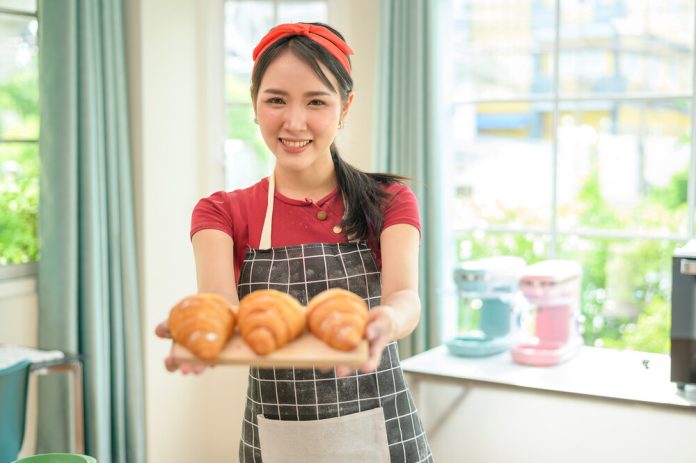
A tray of golden croissants glisten behind the glass counter, next to neatly arranged loaves of milk bread, strawberry tarts and garlic cream buns.
A playlist of classical jazz hums softly in the background while baristas greet customers with warm smiles.
This is not just another cafe. It is part of a growing wave of Korean-French bakeries that have been quietly reshaping Malaysia’s cafe culture, one pastry at a time.
Cafes such as Paris Baguette, Tous Les Jours, Kream Bakery and Villa Ju Bakery have become fixtures in Kuala Lumpur’s dining landscape over the past few years.
Bringing more than just pastries and creating a new kind of comfort food that feels both refined and familiar, these cafes represent a unique fusion of two baking philosophies that blend French precision with Korean creativity.
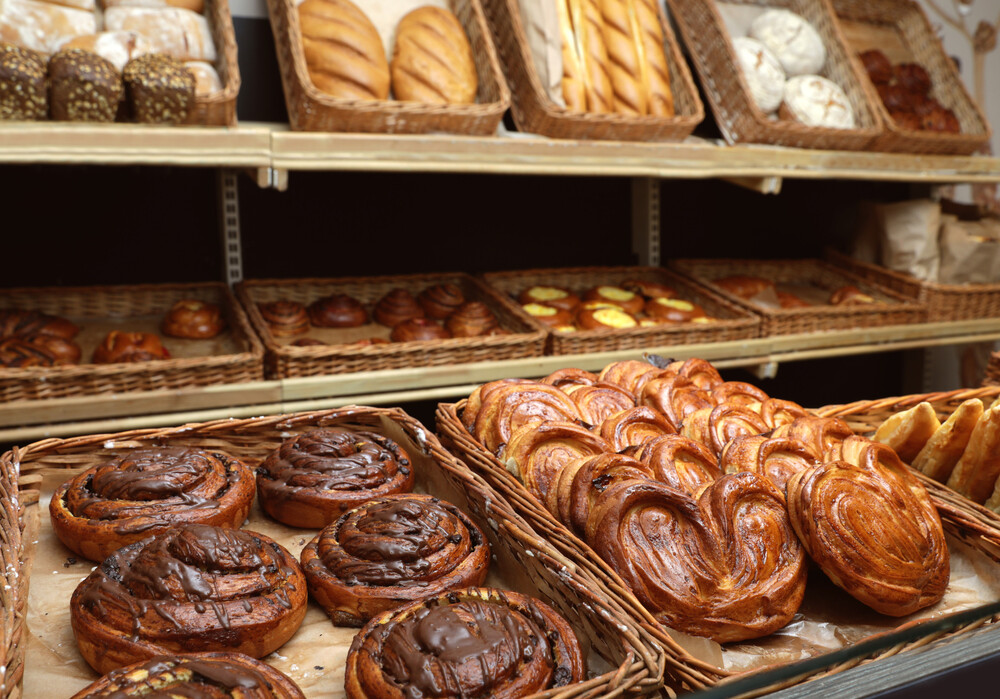
and visual appeal popularised by Korean bakeries.
Tale of two baking traditions
The connection between Korean and French baking runs deeper than many realise. South Korea’s modern baking scene began to flourish in the late 20th century when chefs returned from France armed with classical training and a passion for pastry craftsmanship.
French patisserie, long celebrated for its technique and artistry, became a strong influence. Yet Korean bakers adapted those recipes to local tastes, favouring lighter textures, gentler sweetness and a focus on presentation.
Michael J. Pettid, who authored Korean Cusine: An Illustrated History, posits that baked goods were pretty much non-existent in Korean cusine until lately.
“Koreans were introduced to Western breads from Central Asia in the 13th century, but they did not become a regular meal item,” he said.
The result was a distinctly Korean interpretation of French baking, with creations that are elegant but less rich, delicate but visually stunning.
From this evolution emerged what many now refer to as the K-bakery style. The pastries look Parisian but taste unmistakably Korean.
Think soft milk bread instead of baguettes, sweet potato croissants instead of dense butter-heavy ones and cream buns filled with matcha or injeolmi instead of chocolate ganache.
This new wave of baking combined the innovation of Korea with the discipline of France. The outcome was something both universal and personal, perfectly suited for Asia’s palates and aesthetic sensibilities.
From Seoul to Kuala Lumpur
Food became one of Korea’s most popular exports as Korean culture continued its international rise. Paris Baguette and Tous Les Jours, both founded in Seoul in the 1980s, expanded across Asia and eventually found their way to Malaysia.
The first Tous Les Jours outlet opened in Kuala Lumpur in 2013, while Paris Baguette arrived a decade later in Pavilion Kuala Lumpur.
The arrival of these cafes coincided with the growing cafe scene in Malaysia, which had already embraced the international coffee movement and a strong appreciation for artisanal desserts.
The atmosphere inside these bakeries feel effortlessly cosmopolitan, as sleek glass counters display rows of pastries while clean marble tables and minimalist interiors create a space that feels both modern and inviting. C
ustomers linger over coffee and croissants, snapping photos of their meals and soaking in the calm.
For Malaysians who already enjoy both Korean and Western food, these bakeries bridge the gap beautifully. They deliver the refinement of a Parisian patisserie without the formality, while adding a touch of warmth that feels closer to home.
Malaysia’s taste for fusion
Malaysia’s food culture has always celebrated creativity and cross-cultural influence. The arrival of Korean-French bakeries fits naturally into a landscape where fusion cuisine thrives and where reinvention is part of our culinary identity.
These bakeries appeal to the Malaysian love for flavour that is balanced and comforting. The pastries are rich yet light, sweet but not cloying, accessible but indulgent.
A little moment of escape that can be enjoyed any day of the week, many customers describe the experience as luxurious but relaxed.
The visual aspect also plays a big role in their success. The interiors are soft and minimalist, with muted tones, airy spaces and curated playlists that appeal to the social media generation.
Every corner looks ready for a photo and every pastry is a small piece of edible art. Local bakeries too have taken inspiration from this trend, that it is now common to find croissants filled with pandan custard, hojicha-flavoured cakes or even kimchi quiches on their menus.
These creations represent the next step in the evolution of local culinary fusion, going beyond Korean and French elements.
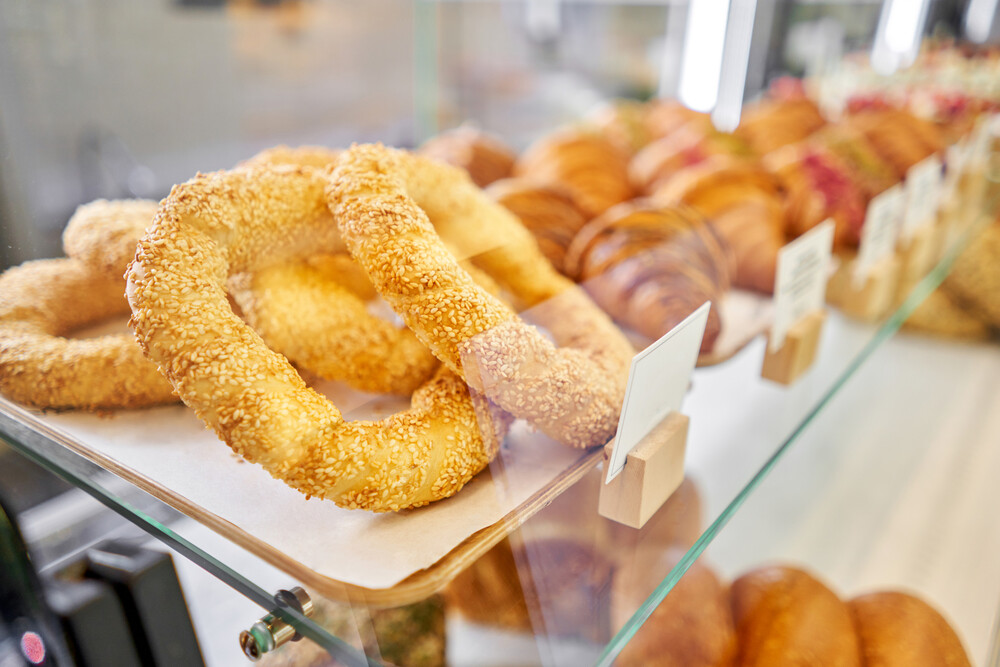
and European breads with modern flavours and textures.
More than just pastries
Beyond the buttery aroma and the glossy glaze, Korean-French bakeries represent something deeper. Existing as symbols of cultural exchange, these bakeries are testimony to how food evolves through inclusivity.
A croissant is not just a pastry in these environments. It becomes a bridge between West and East, a meeting point between new interpretations and old techniques.
Once, French patisserie was considered high-end and exclusive. Now, through the accessibility and friendliness of the Korean approach, it has become part of everyday life.
The success of this model lies in how it combines the artistry of French baking with the emotional warmth of Korean hospitality. It proves that sophistication does not have to be intimidating and that beauty can exist in the simplest bite.
Cultural dialogue
The rise of Korean-French bakeries also reflects a wider change in how Malaysians approach lifestyle and leisure.
Cafes are no longer just places to eat and drink; they have become spaces for connection, creativity and calm. Korean-style bakeries emulate this perfectly. They invite customers to slow down and savour the moment, whether through the ritual of choosing a pastry, enjoying a quiet morning coffee or simply people-watching from a corner seat.
Every detail, from the music to the lighting, contributes to an atmosphere that feels intentional yet effortless. It is this subtle attention to experience that keeps customers returning.
Beauty of balance
The partnership of Korean inventiveness and French mastery offers something that feels universal, which is comfort paired with elegance. It reminds us that the best culinary traditions are not static but evolving.
In Malaysia, this evolution continues to thrive. Each new bakery that opens adds its own flavour to the mix, reflecting the diversity of the people who enjoy them.
Whether it is a sesame brioche, a palm sugar croissant or a taro tart, every creation tells a story about culture, memory and the joy of sharing.
Taste of tomorrow
As the cafe scene in Malaysia continues to grow, Korean-French bakeries are likely to remain a staple. These bakeries represent more than a passing trend; they are part of a larger movement that values cross-cultural appreciation, attention to craft and creativity.
Whether in Paris, Kuala Lumpur or Seoul, the experience remains the same: a flaky pastry that melts in your mouth, a moment of quiet and a cup of coffee. It is a simple pleasure that connects people through taste and time.
In the end, what makes these bakeries so enduring is not just their beautiful pastries but the feeling they create.
Bakeries remind us that food is language, culture can be shared one bite at a time and that sometimes the sweetest connections are born where worlds meet.



