



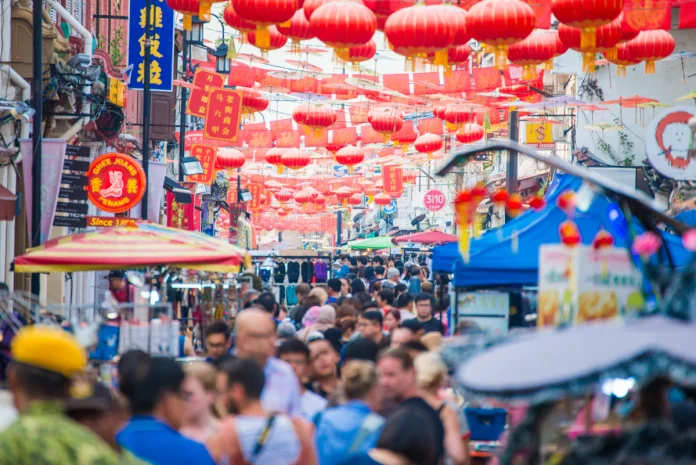
Visit these Chinatowns rooted in culture, growth
Table of Contents
CHINESE New Year (CNY) has a way of pulling people back to the old parts of town. Not the polished mall versions with decorative arches and looping festive music but streets where shophouses still sit shoulder to shoulder, where the sidewalk shelters pedestrians from sudden rain and where incense drifts quietly out of doorways that have been opened the same way for generations.
Across Malaysia, Chinatowns are not replicas of one another. They grew out of rivers, ports, tin mines and trade routes, shaped by who arrived first and what they stayed for. During CNY, those layers surface. Lanterns go up, temples grow busy and neighbourhoods that feel ordinary for much of the year briefly return to centre stage.
Kampung Cina
Kuala Terengganu’s Kampung Cina sits where the Terengganu River meets the South China Sea, a reminder that many Chinatowns began as working waterfronts.
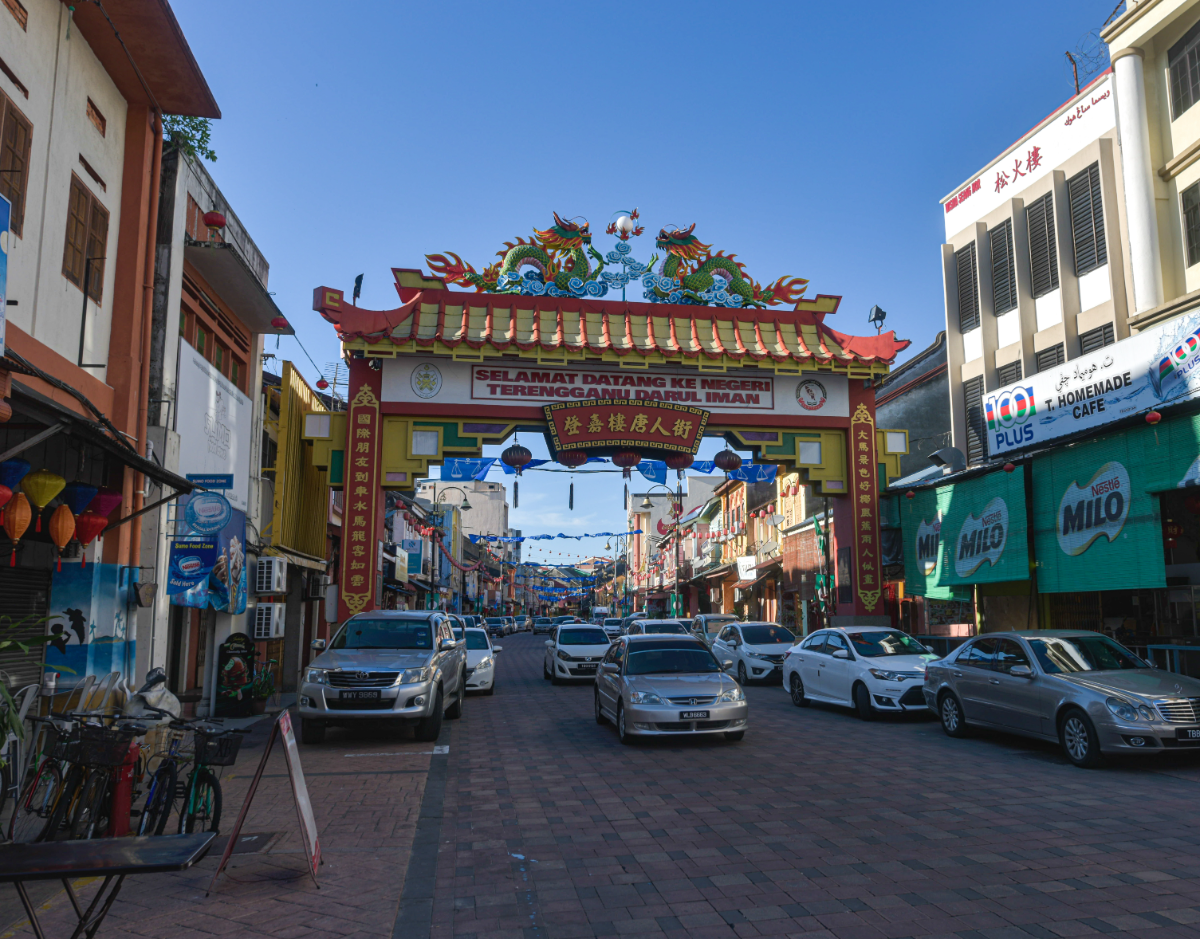
Running along Jalan Bandar in the city centre, it is often described as one of the region’s early Chinese settlements, with pre-war shophouses lining a compact stretch of road.
Historical accounts describe a substantial Chinese presence here centuries ago, tied closely to trade. Fires reshaped the area over time but rebuilding preserved its intimate scale. During CNY, the decorations feel restrained rather than overwhelming. Red lanterns and banners sit naturally against weathered timber doors and faded signboards.
Temples such as Ho Ann Kiong and Tien Hou Kong anchor the neighbourhood’s rhythm, while restored back lanes and murals add just enough movement for visitors without turning the area into a spectacle. Here, the festival feels close to family ritual rather than public performance.
Petaling Street
Petaling Street, in the heart of Kuala Lumpur, offers a very different experience. Loud, crowded and unapologetically commercial, it has long been the public face of Chinatown KL. The street, also known historically as Chee Cheong Kai, grew alongside the city’s tin boom and early migrant labour.
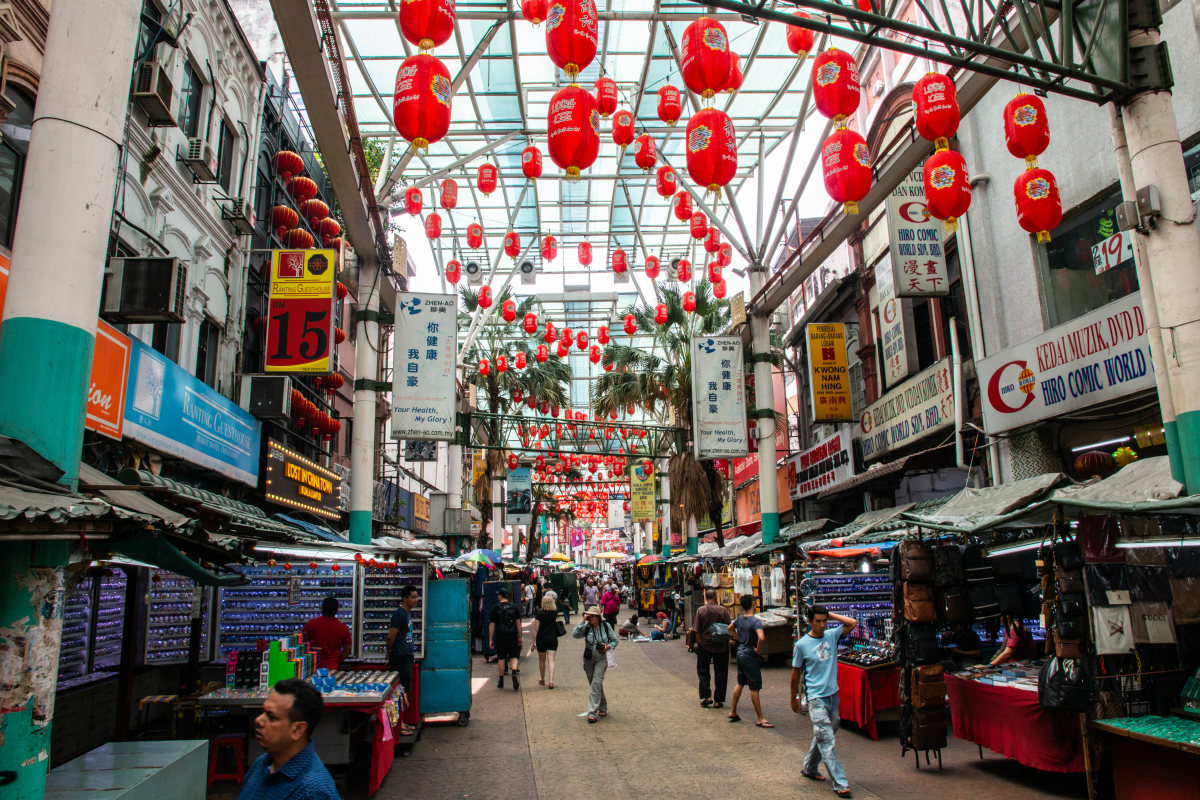
Its current appearance was shaped by a major facelift in the early 2000s that added large arches and a covered roof, turning it into a pedestrian shopping lane.
During CNY, Petaling Street leans fully into spectacle. Lanterns stretch overhead, stalls multiply and crowds swell with locals and visitors. Yet traces of history remain nearby, in old temples, clan associations and back alleys such as Kwai Chai Hong, where murals reflect fragments of earlier daily life.
CNY here is less about quiet reflection and more about shared energy.
George Town’s layered Chinatowns
In George Town, Chinatown is not a single street but a series of overlapping quarters shaped by different waves of migration. This complexity gives Penang its distinctive character during CNY.
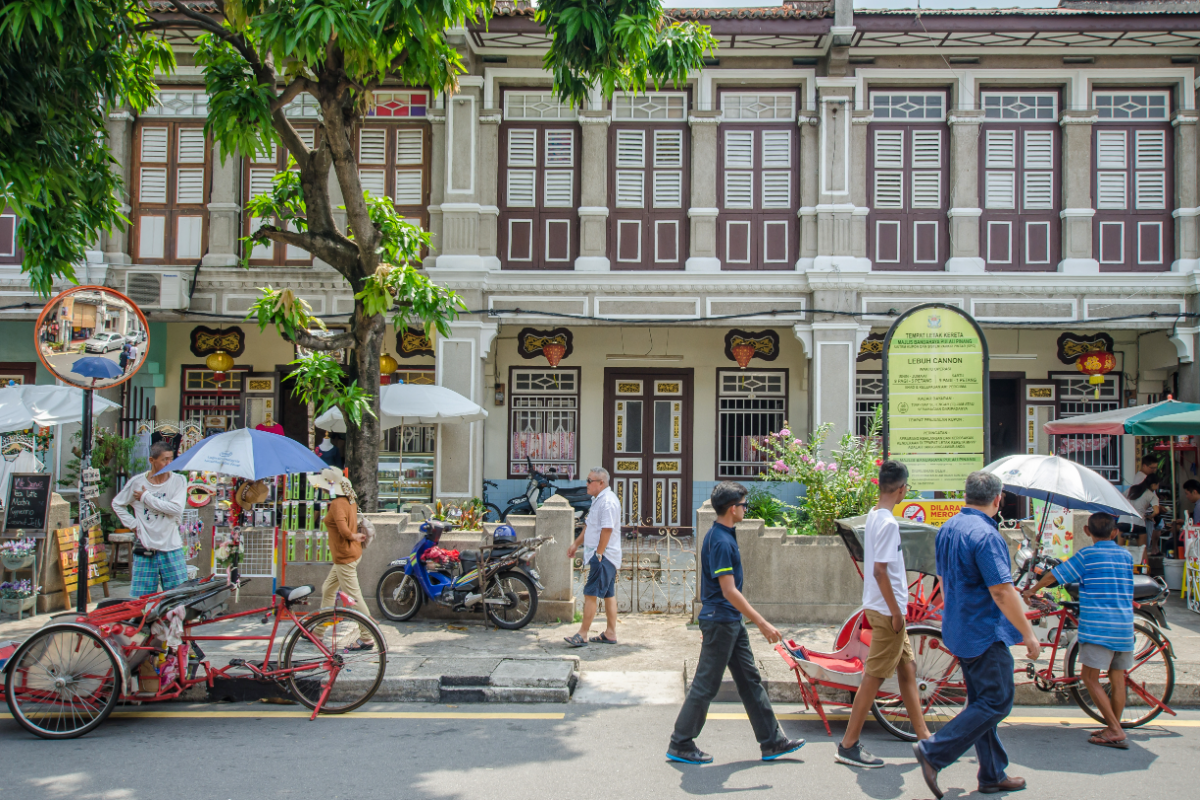
The oldest core lies around Lebuh China and Armenian Street, where early Hokkien merchants built clan houses, temples and grand residences. During the festive period, these spaces take on a ceremonial feel, with incense thick in courtyards and lion dances moving through narrow streets.
Clan temples such as Khoo Kongsi and Cheah Kongsi become active community centres rather than static heritage sites.
Further south, areas associated with later working-class migrants from Guangdong and Hainan feel more utilitarian. Here, celebration is expressed through food, with kopitiams and eateries extending hours and festive meals shared across small tables.
Along the waterfront, the clan jetties offer a quieter scene, where lanterns reflected on the water recall Penang’s trading past. Together, these layers make Chinese New Year in George Town immersive rather than confined to one destination.
Jonker Walk
Jonker Walk, along Jalan Hang Jebat in Malacca City, is one of Malaysia’s most recognisable Chinatown streets. Its identity is closely tied to its weekend night market, which fills the street with stalls, lights and movement.
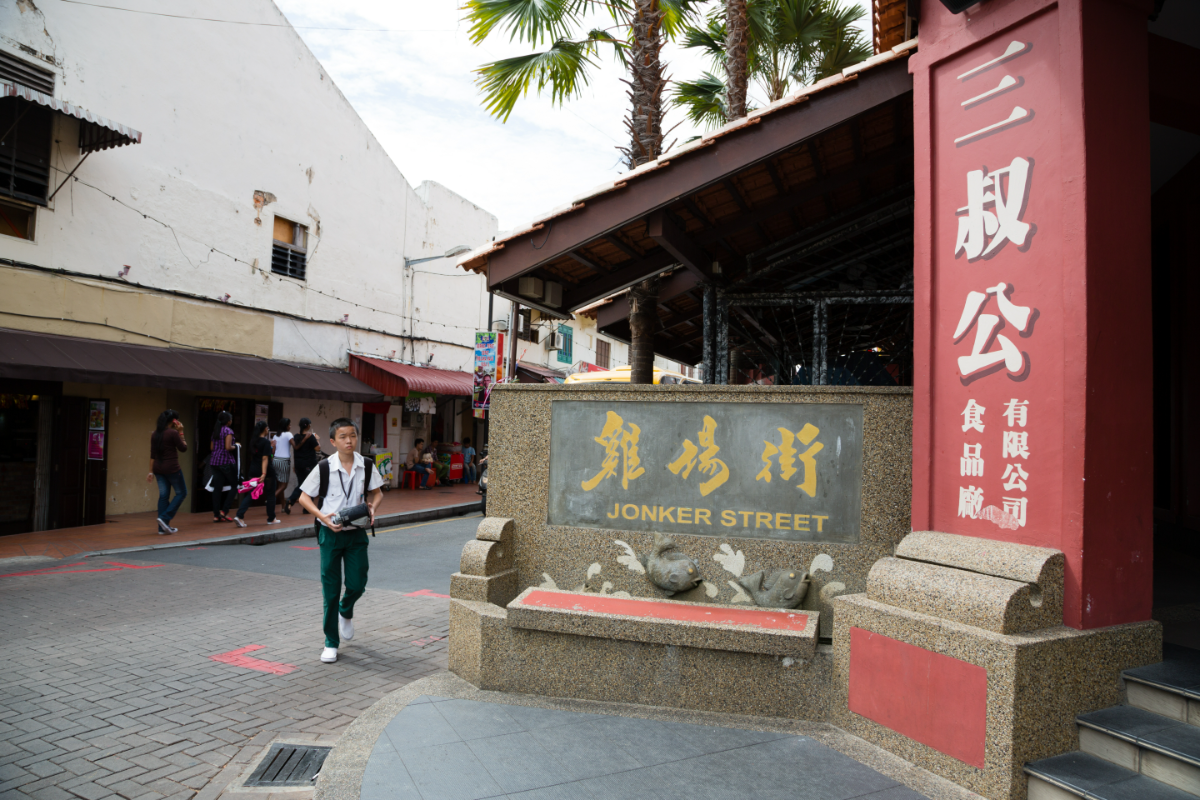
During CNY, that market rhythm aligns perfectly with the festive mood. Jonker Street becomes a place for browsing and lingering, where food, souvenirs and antiques blend into a continuous flow.
The surrounding context matters just as much. Temples, museums and historic buildings sit within walking distance, grounding the celebration in Malacca’s layered past rather than isolating it to a single strip.
Main Bazaar and Carpenter Street
Chinatown in Kuching grew along the Sarawak River, with Main Bazaar serving as one of the city’s earliest commercial streets. Its layout reflects the logic of river trade, where goods once moved directly between boats and shopfronts.
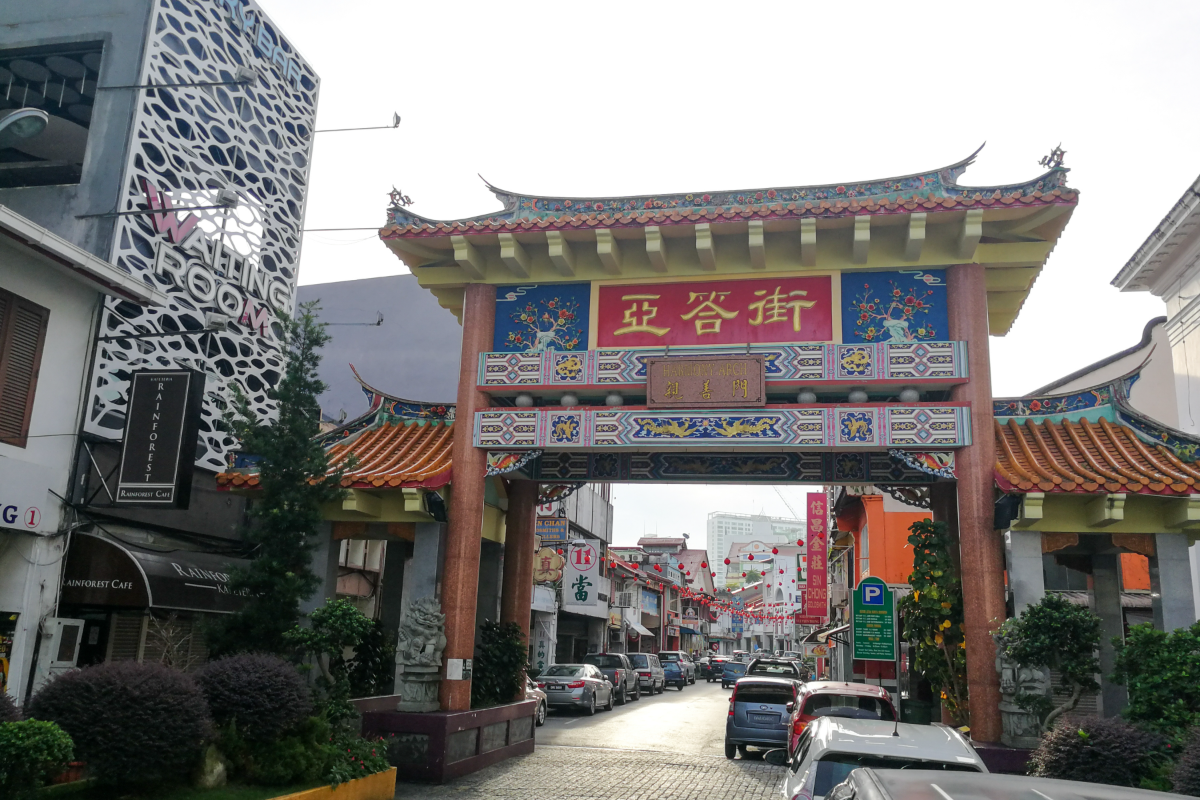
Fires and rebuilding in the late nineteenth century replaced wooden structures with brick shophouses that still define the area today. During CNY, the streets feel gently animated rather than crowded.
Temple entrances grow busier, offerings appear at doorways and the festive atmosphere blends seamlessly into daily routines. Kuching’s Chinatown favours continuity over spectacle.
Gaya Street
Gaya Street in Kota Kinabalu is often described as Sabah’s Chinatown, anchored by Chinese coffee shops, restaurants and a well-known street market.
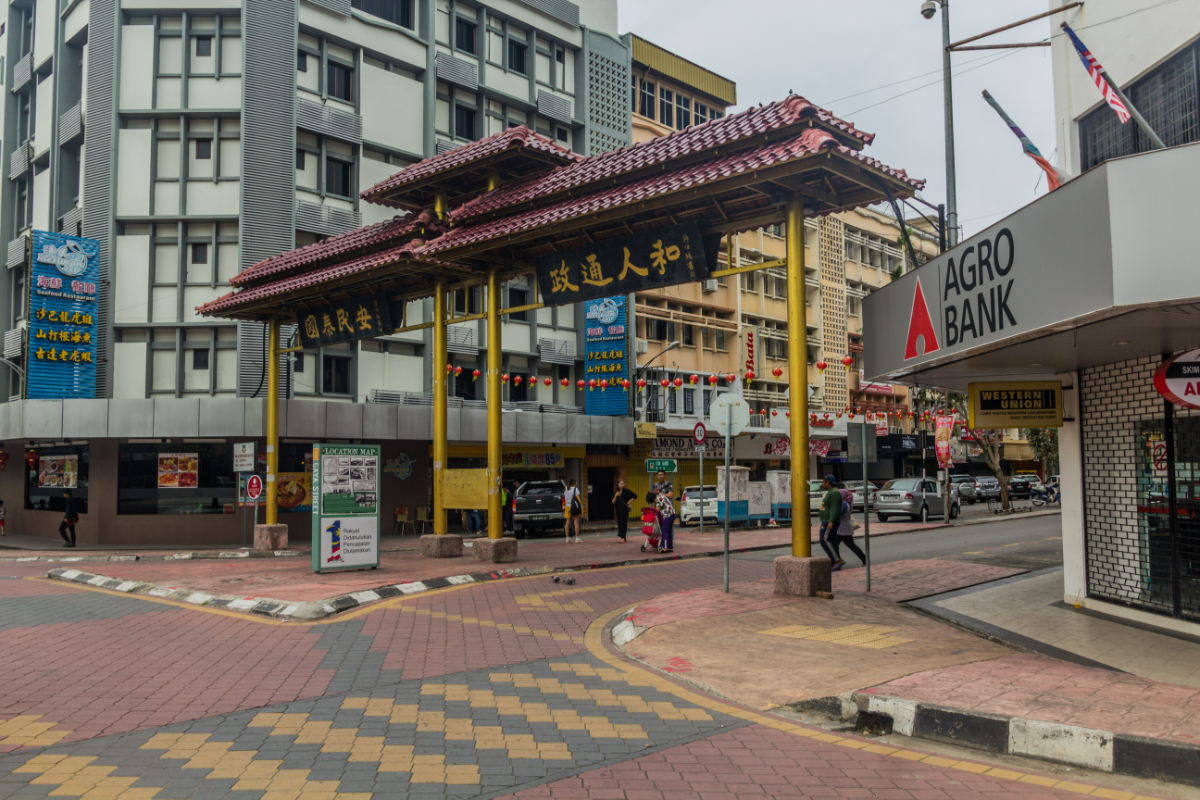
Formerly Bond Street during the colonial era, it developed as part of Jesselton’s early commercial core.
CNY transforms the street visually. Lanterns strung overhead create a glowing canopy that changes the mood after dark. The celebration sits comfortably on top of everyday activity, with locals still stopping for coffee and groceries as visitors photograph the decorations. It feels communal rather than curated.
Concubine Lane
Ipoh’s Concubine Lane, or Lorong Panglima, is smaller than most Chinatowns, but its narrowness has become its defining feature. Located in the old town of Ipoh, the lane has been revitalised into a compact cultural stop.
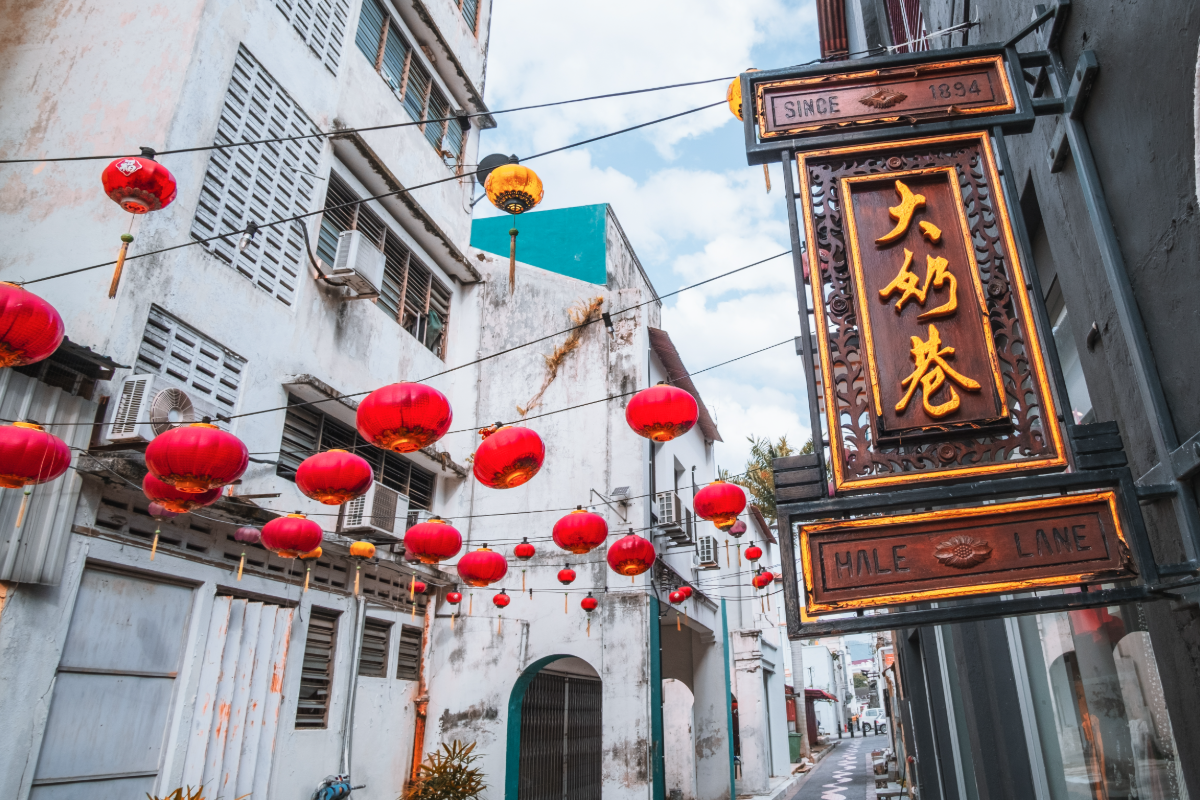
During CNY, lanterns and umbrellas intensify its visual impact, turning a short passage into an immersive festive corridor. While brief, the experience adds another layer to Ipoh’s wider Chinese heritage landscape.
Festival experienced differently in every place
What links Malaysia’s Chinatowns during CNY is not uniformity but contrast. Each reflects the circumstances that shaped it, whether maritime trade, mining labour or gradual cultural blending. The festival does not erase those differences. It highlights them.
For a few weeks each year, lanterns, incense and family gatherings bring these Chinatowns back into focus. CNY becomes less about decoration and more about return, to places that have quietly carried history forward all year long.
READ MORE:
Saddle up: horse riding places to visit this Chinese New Year
Why succulents fit so easily into modern urban homes



