




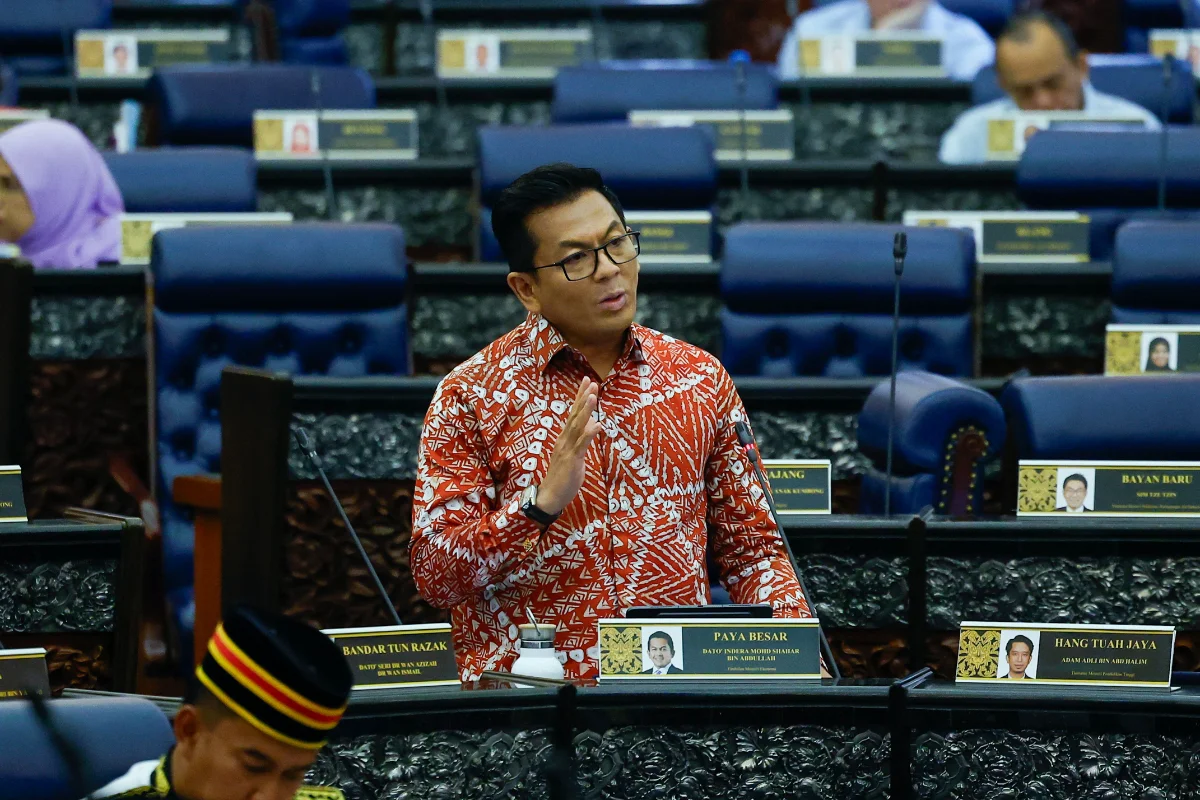
The government is exploring the use of Net Disposable Income (NDI) to better target assistance, moving beyond current income classifications to reduce exclusion risks.
KUALA LUMPUR: The government is considering using Net Disposable Income (NDI) as a new benchmark for providing public assistance.
Deputy Economy Minister Datuk Mohd Shahar Abdullah said this aims to reduce exclusion risks and ensure a fairer distribution of aid.
He explained that current assistance is largely determined by Poverty Line Income (PGK) and B40, M40, and T20 classifications.
Enhancements to this framework will be implemented during the 13th Malaysia Plan period starting this year.
“The government believes that the NDI concept can be introduced as a basis for providing assistance to reduce the risk of exclusion and ensure a fairer approach,” he told the Dewan Rakyat.
He said this approach would consider requirements for a decent standard of living and variations based on location and household demographics.
Mohd Shahar was responding to a question from Datuk Mohd Isam Mohd Isa regarding the timeline for implementing NDI-based assistance.
He explained that NDI is calculated by deducting total Basic Expenditure for Decent Living (PAKW) from disposable income.
Disposable income refers to a household’s total gross income after EPF, tax, zakat, and Perkeso deductions.
The minister added that implementing the NDI concept will take time, requiring further research and comprehensive household data.



