



Shifting focus to international festivals such as Songkran risks diverting from objectives of VM2026, says expert
PETALING JAYA: As Malaysia explores new ways to boost tourism ahead of Visit Malaysia Year 2026 (VM2026), experts are urging organisers to tread carefully when adapting international festival concepts, warning that doing so could dilute local cultural identity and spark controversy.
Universiti Utara Malaysia School of Tourism, Hospitality and Event Management senior lecturer Raslinda Ghazali said VM2026, an initiative that dates back to 1990, was founded on promoting Malaysia’s multicultural identity, artistic heritage and festive traditions.
She pointed out that the VM2026 theme song, Surreal Experiences, underscores the need to offer “uniquely Malaysian experiences” through a year-long calendar of festivals, cultural showcases and community celebrations.
“The keyword here is uniqueness. Shifting the focus towards international festivals such as Songkran risks diverting from the original objectives of VM2026 and diluting Malaysia’s cultural identity.”
Raslinda added that Tourism Malaysia’s calendar lists more than 300 events rooted in local traditions, including Chinese New Year, Aidilfitri, Deepavali and Christmas, alongside iconic cultural festivals such as Tadau Kaamatan and Gawai Dayak.
“These events reflect who we are as a multicultural nation and can be enhanced further through cultural parades, culinary showcases, traditional performances and community-based festivities, elements that most tourists are actually seeking,” she said.
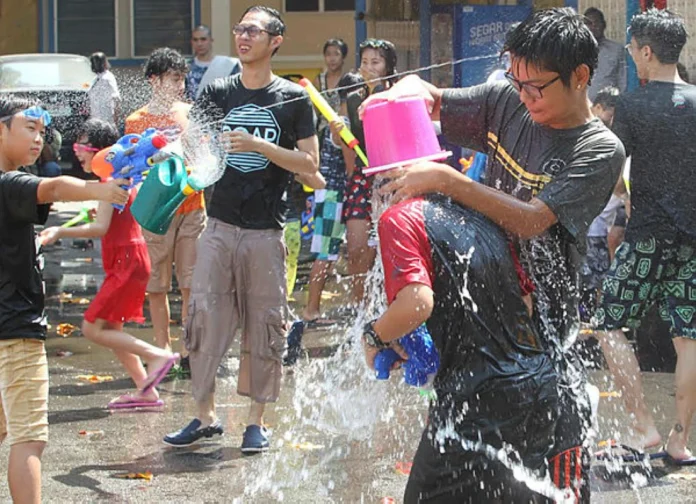
Songkran, widely associated with public water-splashing fesivities, is traditionally a religious and cultural event in Thailand influenced by Buddhist and Hindu practices.
It is observed through family rituals, temple ceremonies and the symbolic use of water for purification, traditions that later evolved into the modern water celebrations popular with tourists.
“In Malaysia, Songkran is only celebrated by a small Siamese community. Promoting it on a national scale may raise sociological and religious sensitivities, particularly within a Muslim-majority context.”
Raslinda said festivals are meant to reflect the identity of the community celebrating them, and adopting one that does not represent local culture could lead to misunderstanding and resentment.
Recent controversies surrounding international cultural events, such as the Bon Odori festival in 2022 and Tattoo Expo Malaysia in 2019, serve as reminders of how poor communication and lack of cultural context could spark public unease.
“When people participate without understanding the background of an event, they may unknowingly engage in activities that conflict with their religious beliefs. This creates avoidable tension and public disturbance,” she said, adding that despite concerns, such events could still have value if approached thoughtfully.
She suggested that Songkran-inspired activities could be reframed as non-religious, fun-based tourism events or organised in collaboration with Malaysia’s Siamese community to promote education and cultural exchange.
“Clear communication is key. Visitors and locals must understand the nature and purpose of the event to avoid confusion or controversy.”
Raslinda said while it is too early to assess the full impact of the VM2026 campaign, Malaysia has strong potential to meet its target of attracting 43 million international visitors and boosting tourism receipts if it stays true to its cultural strengths.
“I believe Malaysia should invest more heavily in elevating local festivals to global status. We have more than enough cultural wealth to showcase to the world.”
She expressed hope that with careful planning and execution, Malaysia could once again rank among the world’s top tourism destinations, a position it held for four consecutive years from 2009 to 2012, before Thailand overtook it in 2013 with its ‘Amazing Thailand’ campaign.
“Our diversity is our strength. That is what truly makes Malaysia extraordinary.”
Earlier, Deputy Prime Minister Datuk Seri Dr Ahmad Zahid Hamidi said the Songkran-inspired Water Music Festival in Bukit Bintang from May 1 to 4 would be adjusted to suit Malaysian cultural values.
“We will reduce elements that have sparked controversy to avoid negative reactions,” he said.
The festival, organised by the Tourism, Arts and Culture Ministry, has drawn backlash on social media, with some calling for it to be cancelled as such festivals are not suitable in Malaysian culture.



