



Party insiders point fingers as leadership questions resurface
PETALING JAYA: Internal tensions affecting Bersatu show little sign of easing, even after a recent electoral defeat that might have been expected to pull the party together.
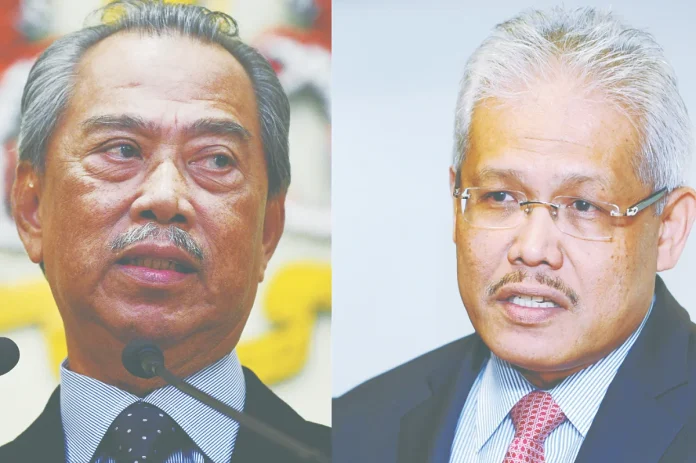
After the 17th Sabah State Election concluded, Bersatu president and Perikatan Nasional (PN) chairman Tan Sri Muhyiddin Yassin (pic) found himself back in the firing line, cast by some within the party as the “fall guy” for alleged failures in leadership and management.
Several Bersatu figures were dropped ahead of polling day, a move now being linked to PN’s defeat on Nov 29.
The sluggish performance of the election machinery was blamed on a shortage of campaign funds.
In Sabah, a faction led by party state secretary Yunus Nordin called for Muhyiddin’s resignation, even before a post-mortem of the loss had been tabled.
A source holding senior rank within the party described the move as “a reckless attempt to stain Muhyiddin’s image before the facts are established”, dismissing the Yunus-led press conference as political theatre that “did little more than air dirty laundry”.
Traditionally, accountability for election outcomes rests with the election director. In PN’s case, the role is held by Bersatu deputy president and Opposition leader Datuk Seri Hamzah Zainuddin (pic).
The source also told theSun that the candidate list for the Sabah polls was allegedly handed to Muhyiddin only on the night of its announcement.
“It raised questions about coordination and preparedness.”
The decision to contest 41 seats also baffled party insiders, particularly when contrasted with the 2020 state election in which PN won 17 of the 29 seats it contested.
This time, contesting 41 of Sabah’s 73 seats appeared perilous, given that all previously victorious PN assemblymen, including former Sabah Bersatu chairman Datuk Seri Hajiji Noor, had joined Gabungan Rakyat Sabah.
“If the leader has crossed over, logic suggests followers would have too. So what real strength did Bersatu still have in Sabah?”
Another issue flagged was Hamzah’s perceived effectiveness in leading the opposition.
While his position as opposition leader is undisputed and his oratory skills are widely acknowledged, critics say eloquence alone does not make a prime-minister-in-waiting.
Questions have also been raised about PN’s shadow cabinet, the framework meant to provide checks and balances against the Madani administration.
If such a structure exists, it remains largely invisible, with most Malaysians unaware of its function or membership.
Instead, certain opposition MPs have appeared more consumed by internal party disputes than by projecting PN as a credible alternative government.
For Bersatu and PN, the unresolved divisions raise questions about their readiness for the next general election, due by 2027, or earlier should Johor’s state election be brought forward.
Some within Bersatu point to what they see as Hamzah’s most consequential miscalculation.
Another source familiar with internal negotiations said Hamzah may have overestimated his influence during talks with Gabungan Parti Sarawak, led by Sarawak Premier Tan Sri Abang Johari Abang Openg.
Nearly three years on, Prime Minister Datuk Seri Anwar Ibrahim remains in power and the Opposition has yet to come close to unseating the government, even during crucial budget votes.



