




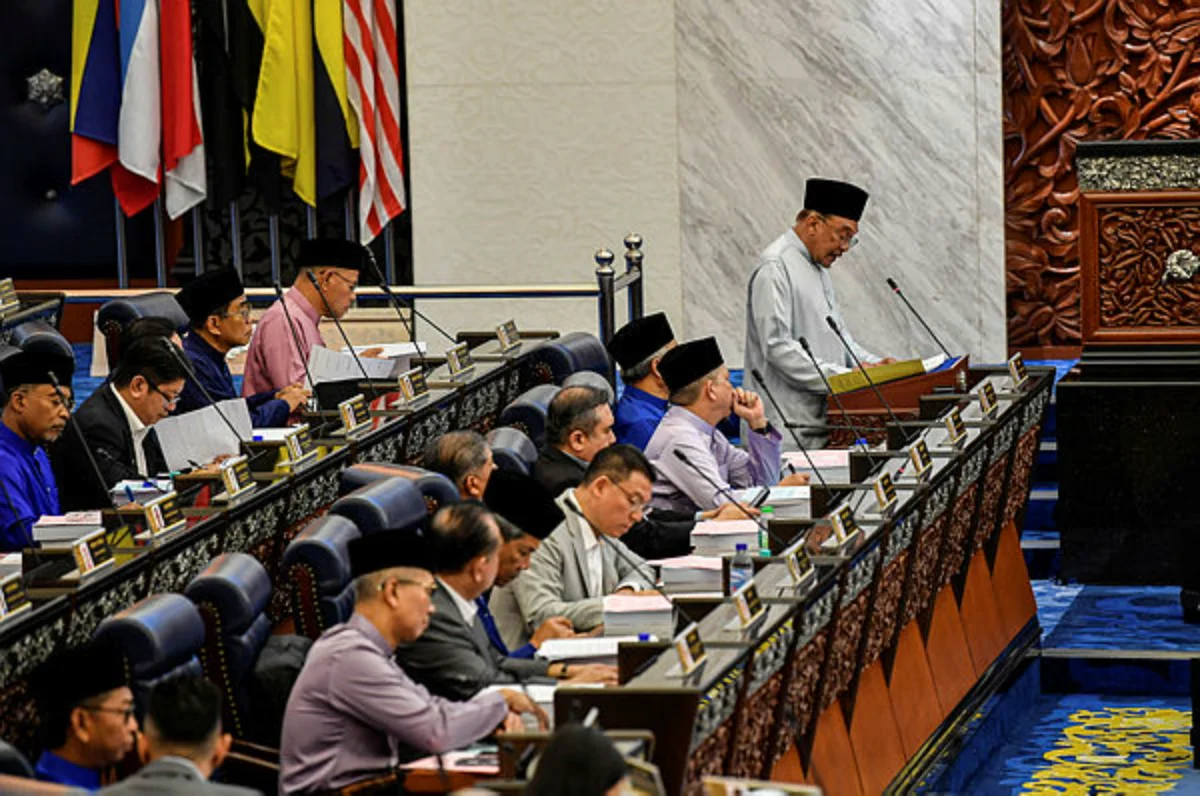
PETALING JAYA: Political observers said Prime Minister Datuk Seri Anwar Ibrahim is expected to appoint new ministers from among elected MPs rather than the Senate, amid growing pressure for the Unity government to respect voter mandates and avoid perceptions of “backdoor” power appointments.
International Islamic University of Malaysia political analyst Assoc Prof Dr Syaza Shukri said Cabinet positions should, as a matter of principle, be filled by MPs who have received a direct mandate from voters.
“I don’t have specific names in mind, but in my view, it is better for the Cabinet to be made up of sitting MPs.
“They have received the people’s mandate, and if we rely on senators who require training, it raises the question of whether voters made the wrong choice in electing their representatives.”
While acknowledging that appointing senators or technocrats is constitutionally permissible and at times justified on grounds of expertise, she said such appointments could send the wrong political signal at a time when public expectations for reform remain high.
“If names such as Nurul Izzah Anwar or Khairy Jamaluddin and even Datuk Wan Saiful Wan Jan are being mentioned, it could suggest that the current government MPs are weak.
“The people want a signal that the government is serious about reform. Bringing in individuals who lost in the last general election risks giving an impression that reform and the people’s mandate are not being respected.”
Syaza added that Anwar could also strengthen East Malaysian representation in the Cabinet, adding that additional ministers from Gabungan Parti Sarawak could fill the “quota” left vacant following the resignation of United Progressive Kinabalu Organisation (Upko) president Datuk Seri Ewon Benedick.
“This would not only address the vacancy but also reinforce regional balance and coalition stability.”
Universiti Sains Malaysia political analyst Prof Datuk Dr Sivamurugan Pandian said prospective Cabinet appointees are most likely to come from parties that require stronger federal representation, particularly PKR and Umno, and possibly DAP or Upko to ensure regional inclusivity.
“Criteria for selection would include policy competence, coalition harmony, Sabah–Sarawak representation and the need to strengthen economic-related portfolios.
“Anwar’s choices would be aimed at consolidating the Unity government, improving administrative performance and preparing the coalition for future electoral cycles.”
Sivamurugan added that the reshuffle was expected to be limited in scope, in line with Anwar’s recent indication that only a minor Cabinet adjustment was under consideration.
Echoing this view, Singapore Institute of International Affairs senior fellow Dr Oh Ei Sun said political considerations within Anwar’s own party and across the ruling coalition would outweigh portfolio-specific suitability.



