





How succulents became the plant of choice for busy city living
Table of Contents
Succulents have become a quiet fixture in many urban homes. Compact, sculptural and slow-growing, they fit neatly onto desks, windowsills and coffee tables, offering a living presence without demanding constant care. Their popularity lies not just in how they look but in how naturally they settle into everyday life.
For Lim Yee Zhing, founder of Little Eden Succulents, these plants entered her life at a moment when slowing down became necessary. Living with systemic lupus erythematosus led her to rethink pace, priorities and how she spent her time, opening space for new routines to take shape.
Planting succulents began almost accidentally but gradually became something grounding. Caring for them introduced a gentle rhythm to her days, offering small moments of focus and progress without pressure.
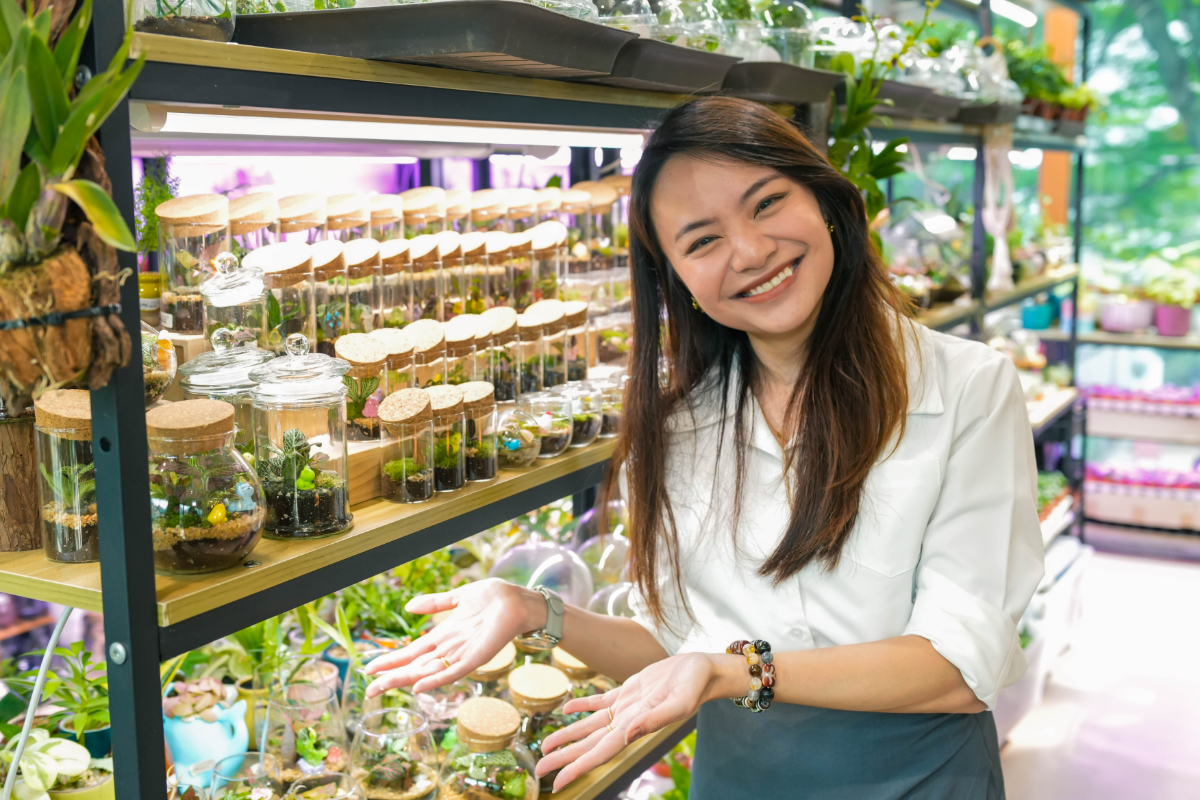
“Succulents look so artificial but they are alive, very chubby, like flowers and you can find them in almost any colour you can imagine, yet they can continue to grow,” she told theSun.
That contradiction draws many first-time plant owners. Succulents appear decorative but behave like survivors. They tolerate missed watering, adapt to small spaces and recover from damage better than most houseplants.
“People today are very busy and we always forget to water plants, so succulents work because you only need to water them once a week,” Lim said.
Slowed rhythm and growth
In cities where space is at a premium, their size matters as much as their resilience.
“Succulents are small and they don’t need much space, so you can keep them on a table or by a window without needing a big pot or a garden,” she said.
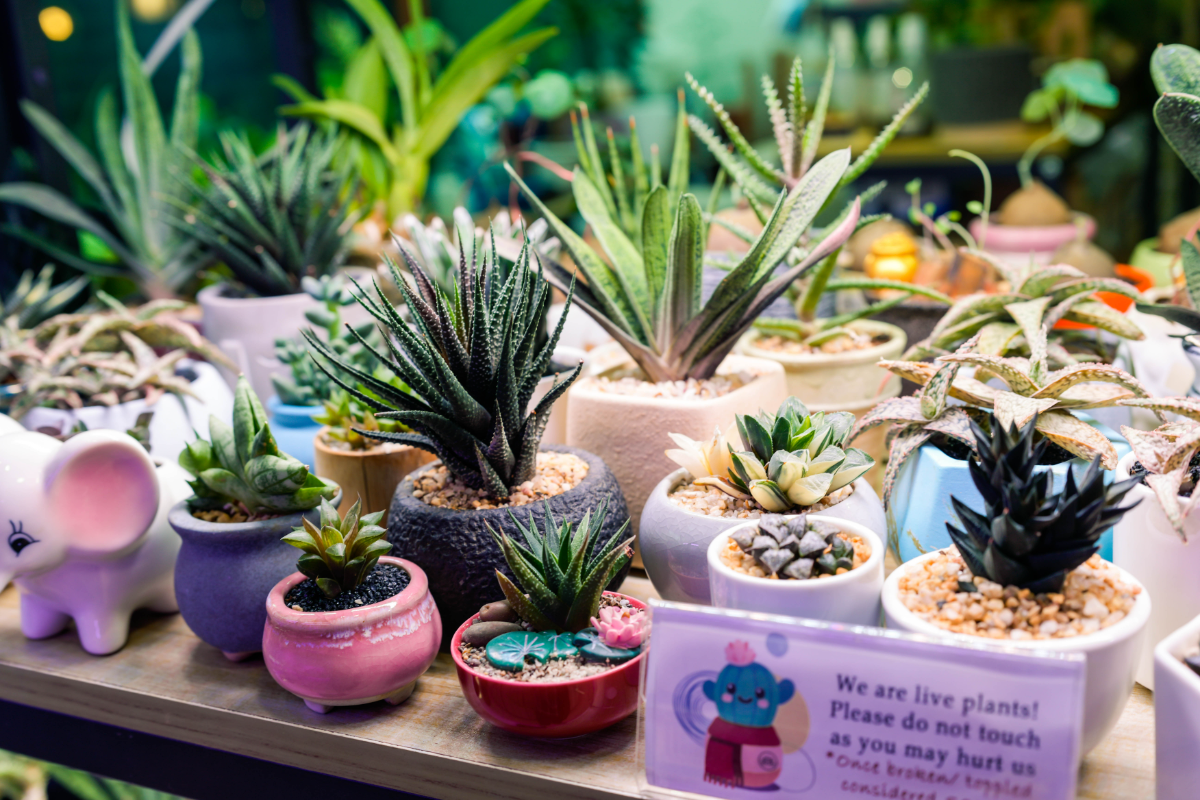
Because they ask for little, succulents often become a gateway plant for people who believe they are bad at keeping things alive.
“They are very beginner-friendly if you can give them sunlight,” Lim said.
Over time, what starts as a practical choice often becomes something more personal. Unlike cut flowers, which are temporary, succulents remain and change gradually, encouraging people to observe rather than rush.
“People usually treat succulents in a more loving way because they know it is alive and many treat them like small pets,” she said.
That ongoing relationship reshapes how people experience time at home. Growth happens slowly, often invisibly, until a new leaf appears or colours deepen.
“Plants show us that whether we are there or not, they will continue to grow and they don’t need to prove anything,” Lim said.
Succulents also challenge perfection. Leaves may stretch or change shape depending on light and environment, creating forms that are unique rather than uniform.
“Sometimes we expect plants to be perfect and symmetrical but plants are from nature and they grow according to conditions, which teaches us patience with our expectations,” she said.
Mindful modern way of life
One of the most appealing aspects of succulent culture is propagation. A single fallen leaf placed on soil can grow into a new plant, turning care into participation rather than consumption.
“One single leaf can continue to grow because even if you cut it, pull it off or leave just a small stalk with roots, it will still keep growing,” Lim said.
For many, that moment is when interest turns into attachment.
“When you see a new plant growing from one leaf, the joy is very big because you feel amazed that something so small can become a new life,” she said.
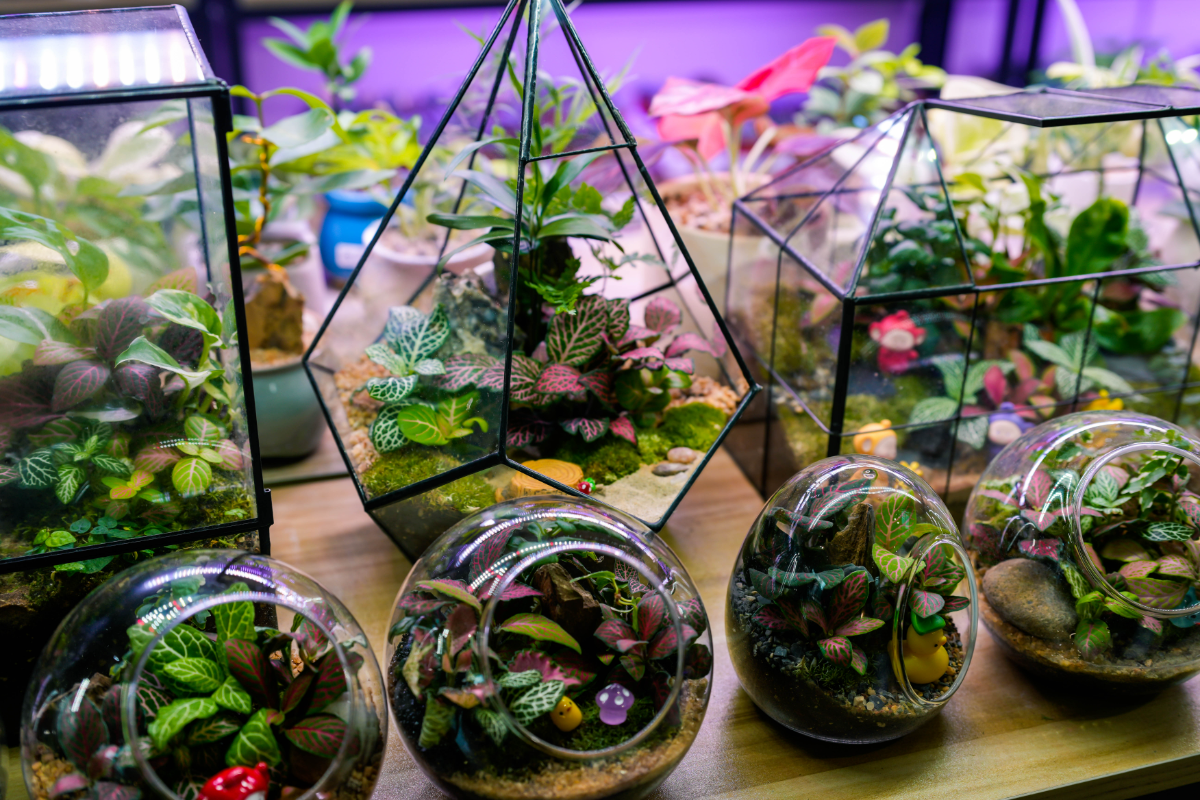
Terrariums extend that experience by allowing people to curate miniature landscapes within glass. They function as decoration and living space.
“In a terrarium, you can create themes, play with different plants and placement – and build a small world,” Lim said.
As succulents settle into a home, interaction changes. The initial excitement fades into something quieter and more sustainable.
“At the beginning, people look at them every day but slowly they relax and the plants quietly become part of their space,” she said.
That quiet presence is central to why succulents suit modern living. They offer care without pressure and beauty without urgency.
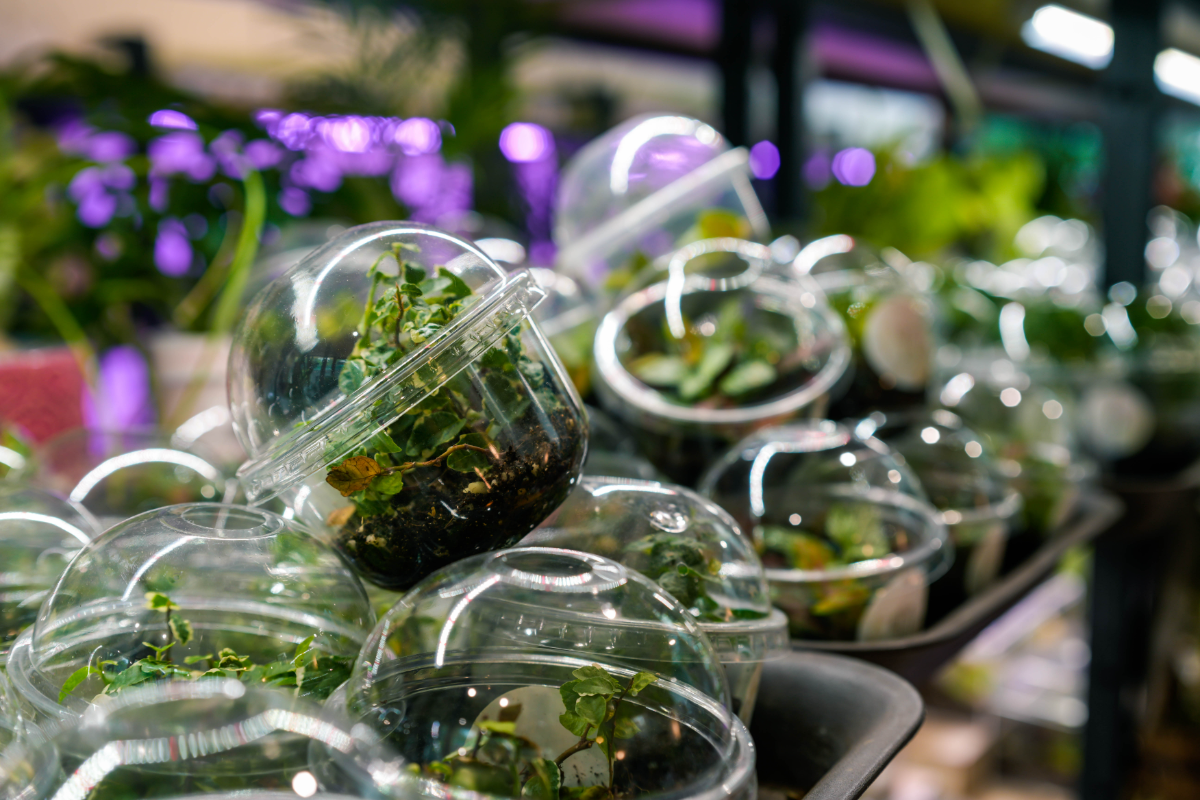
“Plants do their healing quietly and they don’t demand attention, they just exist, grow and remind us that there are different ways to keep going,” Lim said.
In fast-moving urban lives, succulents represent a slower rhythm. They do not interrupt routines or compete for attention. They simply grow, asking only for light, a little water and time.
READ MORE:
Researchers find eight new frog species in Borneo rainforests
House fires: common causes, prevention tips and what to do
Greener living: green products, lower waste



