




Equinix Malaysia clarifies AI data centre expansion’s impact on resources, emphasising long-term planning and sustainable design over immediate shortages.
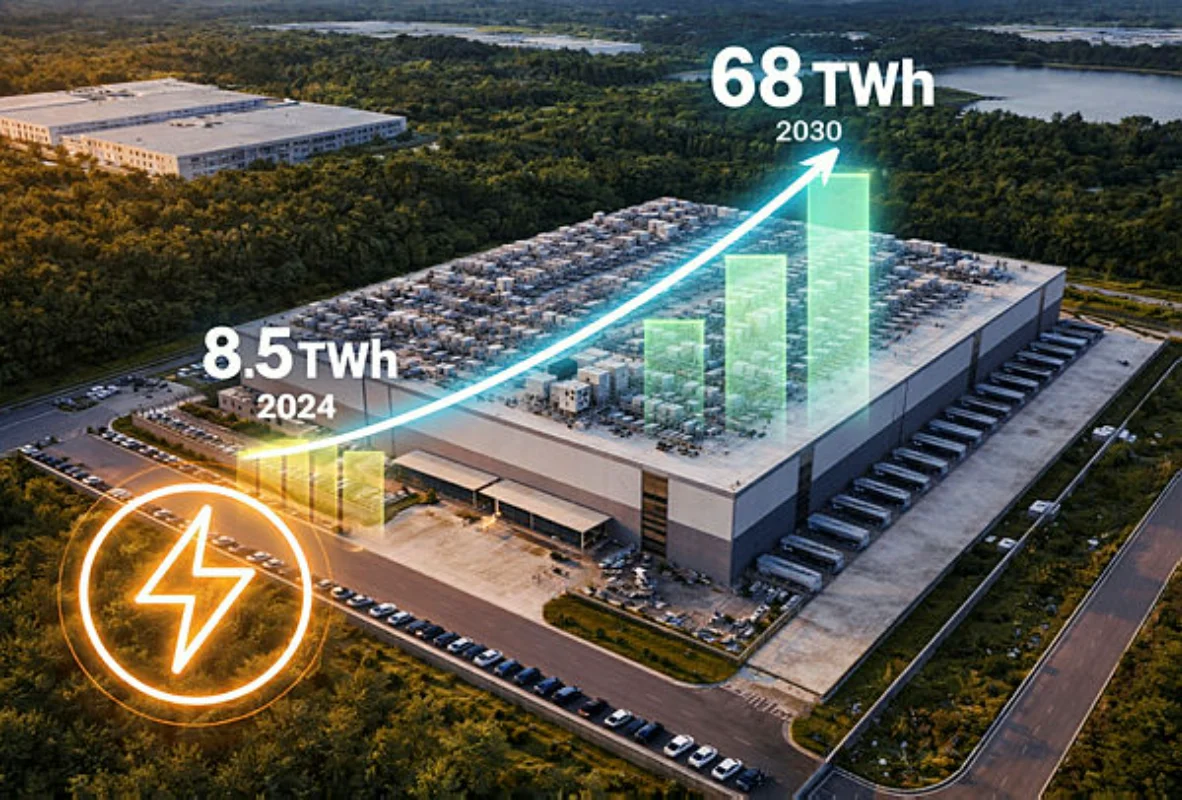
PETALING JAYA: The Malaysian branch of international data centre operator Equinix has responded to claims that Malaysia’s AI-fuelled data centre expansion is driving surging energy and water consumption, framing the issue instead as one of long-term planning and system-level sustainability.
In a written reply after a media luncheon with journalists on Jan 27, Equinix Malaysia managing director Cheam Tat Inn said the discussion should not be framed around immediate shortages.
“In Malaysia, the discussion is less about an imminent shortage and more about how capacity is planned, phased and aligned with long-term demand.
“From our perspective, what really matters is early planning and close collaboration with utilities regulators and energy partners.
“We plan years ahead, expand in a demand-led way, and work to ensure growth is coordinated with national energy planning, rather than reacting to short-term spikes,” he told theSun.
On how AI demand changes infrastructure behaviour, Cheam said the shift appears first in how facilities are designed rather than in a single performance metric.
“What we tend to see first is a shift in design requirements, rather than headline performance metrics.
“AI workloads typically push higher power density per rack and at the same time, they increase the importance of low-latency interconnection between data centres, clouds and networks.
“The early signals show up in how customers design and plan their infrastructure, such as building density and connectivity from the outset, rather than in any single operational metric,” he said.
When asked about water uses for data centres, Cheam focused on design and planning processes, but did not provide facility-level consumption figures.
“Water stewardship is built into our design standards and planning process from the very beginning, especially in markets where water availability and climate considerations are front of mind, such as Malaysia.
“Where water scarcity is a concern, we prioritise reducing reliance on potable water, including avoiding evaporative cooling where appropriate, and exploring alternative water sources such as recycled or treated non-potable water.”



