




Sudanese refugees in Chad suffer severe physical injuries from drone attacks and deep psychological trauma, with limited medical and mental health resources available to help them.
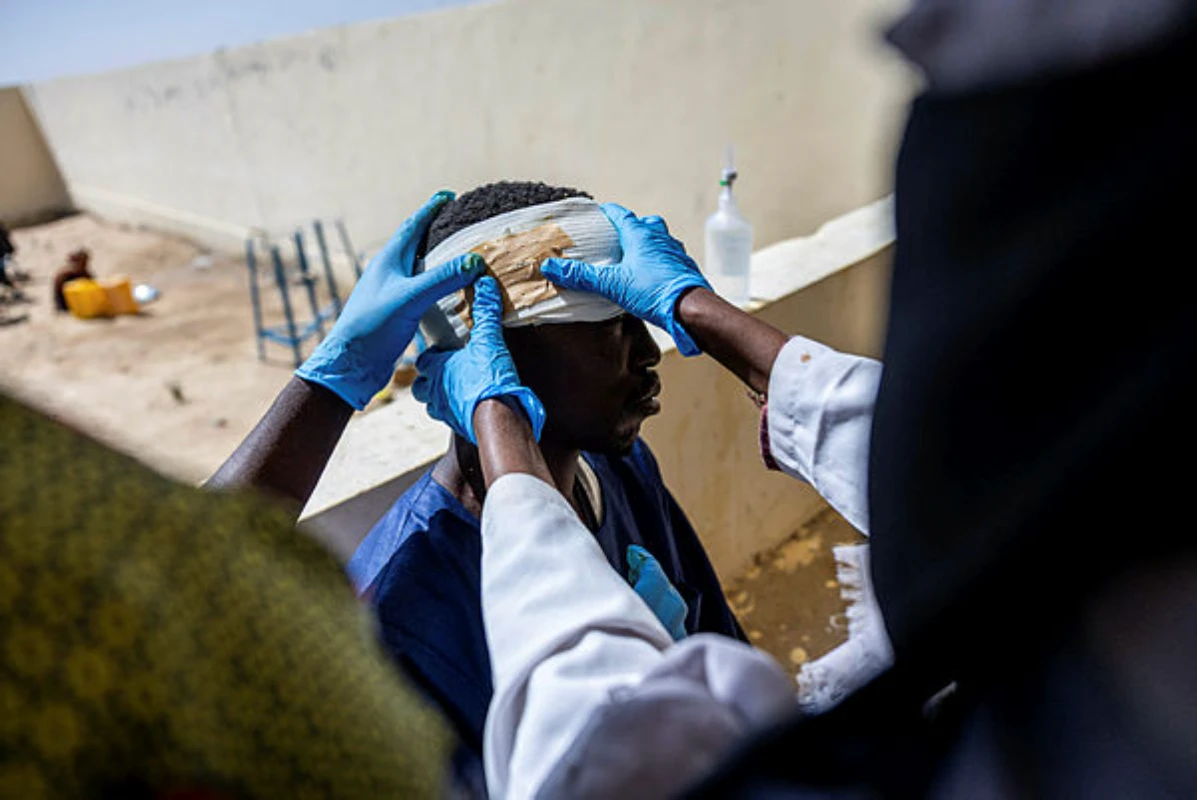
TINÉ: Medical staff treated refugee Mahamat Hamid Abakar for a serious head wound outside a hospital in eastern Chad. The 33-year-old had just had a five-millimetre metal fragment removed from his skull after a drone attack in Sudan.
Most wounded crossing the border are victims of drones, heavily deployed by both sides in the conflict. Abakar was attacked while travelling at night to deliver supplies to his family who remained in Sudan.
Three other occupants of his vehicle were burned to death in the explosion. A travel companion seated next to him died from his injuries the next morning.
Since April 2023, Sudan’s government army has been fighting the paramilitary Rapid Support Forces. The war has killed tens of thousands and displaced more than 13 million people.
Set on a hill overlooking the border, the hospital at Tiné is on the front line for receiving wounded Sudanese. “Since the capture of El-Fasher at the end of October, we have taken in a thousand Sudanese,” said volunteer carer Awadallah Yassine Mahamat.
He showed photographs on his phone of emaciated and charred bodies from a hospital where he worked before fleeing. He said most victims arriving in Chad had fractures following drone attacks.
In recent weeks, the wounded have flooded in from border areas being attacked by RSF forces. Two wounded men, Abakar Abdallah Kahwaya and Mahamat Abakar Hamdan, said they had been fighting for an army-aligned faction.
“We put down our weapons to enter Chad and receive treatment,” said Kahwaya, who has an abdomen wound. “But as soon as we can fight again, we’ll return to Sudan,” Hamdan added.
The volunteer caregiver stressed the hospital accepted anyone who was wounded. He acknowledged the limits of the care available, stating they were short on caregivers who were not sufficiently trained.
The wounds are not only physical, as treating the mental distress of refugees poses a significant challenge. “The lack of resources and prospects in the camps further increases their vulnerability,” said mental health official Kindi Hassan.
Hassan was helping a 30-year-old woman who escaped an RSF attack on the Zamzam refugee camp in April. In tears, the woman recounted hiding in a bunker before fleeing, leaving behind 11 killed family members.
“Soldiers arrested me and three friends as we were fleeing,” she said. “They beat us with the butts of their rifles until we couldn’t walk anymore and took turns raping us until the morning.”
Medicine now helps to keep at bay the images that had haunted her and stopped her sleeping. “Mental health is stigmatised and most cases of post-traumatic stress are kept quiet,” Hassan said.
She said refugees waited a long time before talking about their trauma, adding their response was inadequate to meet the enormous needs. Four NGOs are caring for the mental health of victims in the Goudrane camp.
The International Rescue Committee has helped almost 800 people in a year. Hassan warned the plight of refugees risks worsening without additional resources, citing an increasing trend of “suicidal thoughts”.
“Some people even go so far as to poison or hang themselves to escape their distress,” she said.



