




AFTER almost 50 years of Malaysia establishing diplomatic ties with North Korea, it all came to an end last week.
The leadership of the totalitarian state was slighted after Malaysia gave in to a request by the United States to have a North Korean businessman, who was living here, extradited to face money laundering charges and violating United Nation sanctions.
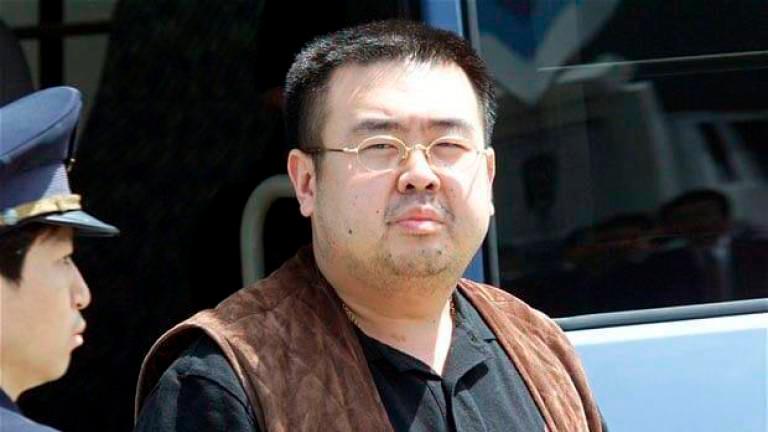
The strain and worsening of ties began four years ago when a plot was executed to kill 44-year-old Kim Jong-nam (pix), the half-brother of North Korean supreme leader Kim Jong-un.
The murder, believed to have been ordered by Jong-un, was meticulously planned years earlier and conspirators would pin the blame on scapegoats.
Fearing that he could be replaced by Jong-nam, Jong-un apparently shunned his older half-brother.
He also allegedly accused Jong-nam of working with detractors of North Korea.
Malaysia was chosen by his conspirators as Jong-nam was a regular visitor to the country due to the easy visa-free travel for North Koreans. Jong-nam is said to have known about the conspiracy and he travelled using different identities to avoid being traced.
On Feb 6, 2017, he arrived in Malaysia and made trips to several places before deciding to leave for Macau a week later on the morning of Feb 13.
He arrived at the KL International Airport 2 (klia2) to catch his flight.
While he was at the terminal building, two women sneaked up on him.
One came from behind and covered his face with a piece of cloth, while the other splashed a liquid on him. Both women then quickly fled.
Stunned and confused, Jong-nam approached an airport staff and sought help after relating what had happened.
When he started feeling unwell moments later, he staggered to a clinic at the terminal, led by a policeman.
As medical personnel treated him, his condition deteriorated and an ambulance was summoned to take him to the Putrajaya Hospital for intensive care. Minutes into the journey, Jong-nam died.
Over the next two days, his death did not arouse suspicions of a plot as Jong-nam had used an alias on his passport and his real identity was not known.
After police got wind of who he was, a full-blown probe commenced.
Police investigations showed that Jong-nam was killed with a VX nerve agent. Within days, both the women involved in poisoning him â Indonesian Siti Aisyah and Vietnamese Doan Thi Huong â were arrested.
They were recruited by several North Korean men and tricked into believing it was for a prank for a TV sketch.
Investigators who went in search of the men learnt that four had flown out of Malaysia to North Korea on the same day Jong-nam was killed. Another three had taken refuge at the North Korean embassy.
Embassy officials refused to hand over the men or cooperate with investigators. Instead, they started to meddle in the investigations and objected to a post-mortem on Jong-nam.
Two weeks later, Siti Aisyah and Doan were charged in court with the murder.
The women told the court they were offered a paltry sum of money to take part in the alleged prank, unaware that it would kill Jong-nam.
In March 2019, on the request of the Indonesian government, the murder charge against Siti Aisyah was dropped and she was freed.
About two weeks later, Doan pleaded guilty to a lower charge of causing injury with a dangerous substance and received a 40-month jail sentence, which was to run from the date of her arrest.
She was released from prison in May 2019.
The real perpetrators of Jong-namâs murder never faced justice.



