




THE clean beauty movement and natural skincare trend is on the rise. A surge of really amazing skincare products as well as knowledge has come out of it, but in the process, widespread misinformation has also been circulated and believed as fact.
The exact definition of âclean beautyâ is a confusing and complicated one. Natural ingredients are not always better and superior to synthetic ingredients. Just because a botanical extract is natural does not mean it is good.
For example, a commonly used skincare ingredient such as lemon peel oil can cause more harm than good. It may serve as an antibacterial ingredient to treat acne, but it is also known as an irritant, and can potentially desensitise the skin.
Contrary to popular belief, preservatives are not as bad as the clean beauty industry paints it to be. In fact, we need preservatives for product safety to keep mold and harmful bacteria from growing in them.
At the end of the day, the best bet when buying skincare products is to cut through sketchy and unsubstantiated claims made by brands, and when in doubt, turn to science.
Skinmade
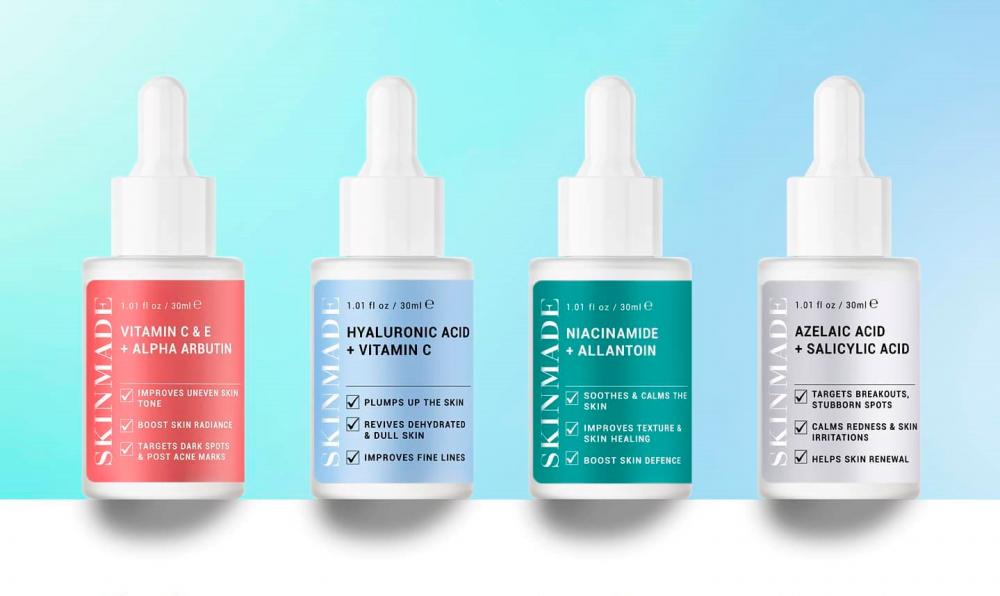
Relaunched in May with a vision to create a beauty powerhouse, Skinmadeâs impressive line-up of supercharged serums focus on specific active ingredients to treat specific skin concerns. Its goal is to create highly efficacious formulations that strengthen skin health while supporting its natural ability to repair and regenerate.
However, Skinmade goes beyond just fixing skin symptoms, starting by considering underlying skin issues.
For example, dehydrated skin and dry skin are two completely different concerns, which is why identifying and understanding what is happening on both the outer and inner skin layers is crucial.
Its holistic and science-based approach to skincare is built on biocompatible, purposeful and well-rounded ingredients that work in synergy.
Notable products such as the Peptide Complex + Retinol serum targets deep wrinkles and improves skin texture, while the Azelaic Acid + Salicylic Acid serum gently exfoliates the skin and reduces the visibility of post-inflammatory hyperpigmentation.



