




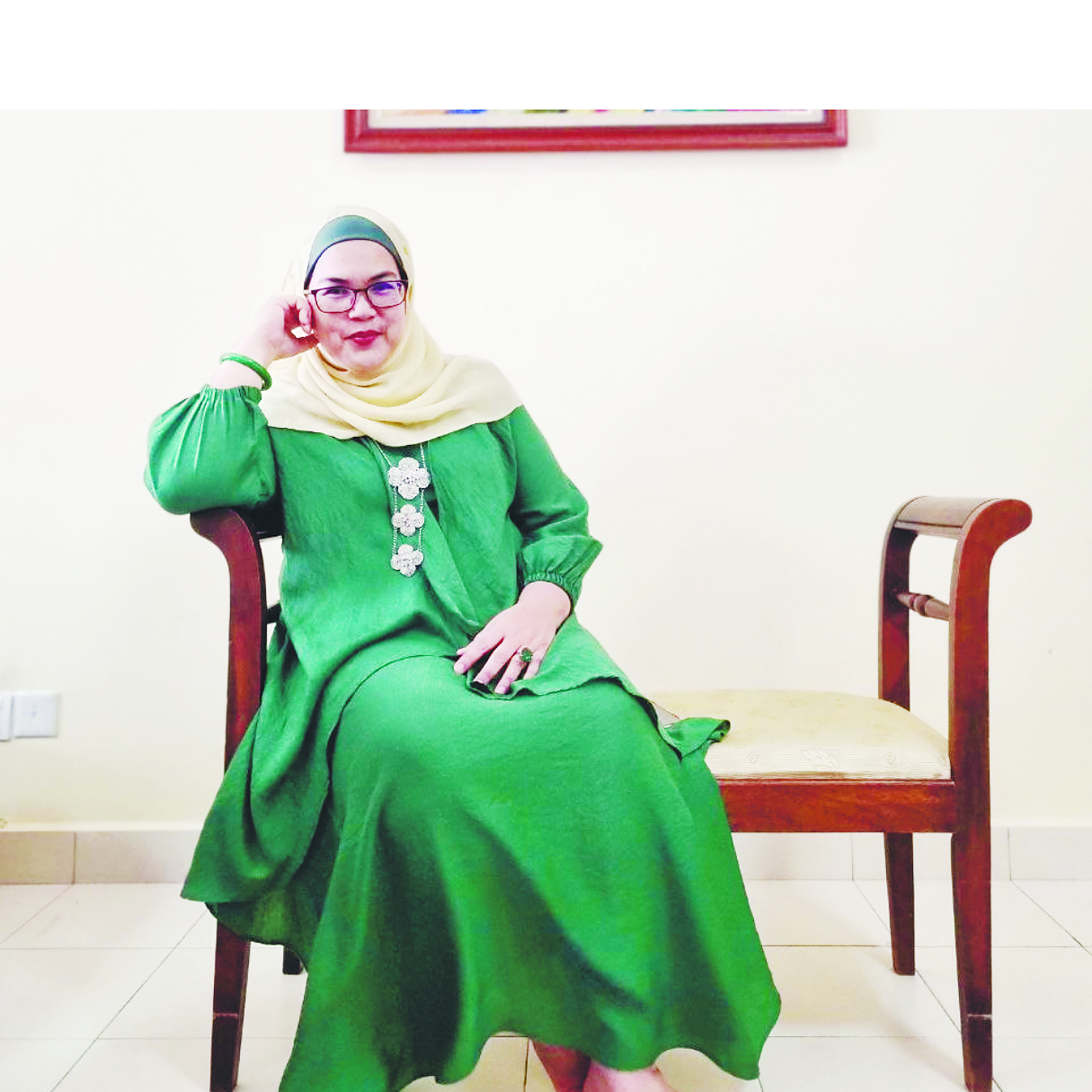
How has your life experience made you the leader you are today?
My journey began with over 30 years in the fast-paced world of advertising and PR, where I mastered the art of branding and strategic marketing. However, my transition into sustainable forest management and agroforestry was driven by a deeper calling to connect business with nature. This “hybrid” experience—combining the power of communication with the grounded reality of sustainability—has made me a leader who values both the story we tell and the tangible impact we leave on earth. It taught me that true leadership is about being an “evangelist” for a cause, whether it’s empowering rural communities or advocating for ESG and halal compliance.
What traits do you look for in your talent or how do you decide who is right for a job?
I look for “conscious agility.” In the sustainability and herbal industry, technical skills are a baseline, but the right person must have a genuine passion for the environment and the ability to pivot between different stakeholders—from corporate boardrooms to rural herbal farmers. I value individuals who understand that sustainability isn’t just a department; it’s a mindset.
How do you think the industry you are in will evolve in the future?
The herbal and agroforestry industries are moving towards “Forest Beyond Timber.” We are seeing a massive shift where medicinal plants and high-value crops are integrated into forest management. With the rise of ESG (Environmental, Social, and Governance) standards, I expect our industry to become the backbone of the Green Economy, where biodiversity and community empowerment are valued as much as financial profit.
What do you want to accomplish in the next five years?
In the next five years, my goal is to scale the “Future Forest” and “Crop with Purpose” models globally, establishing them as international benchmarks for regenerative agriculture. I will continue to grow Herbal Asia as the premier marketplace for industry professionals, ensuring it remains the heartbeat of the sector. Ultimately, I want our community-based empowerment programs to become a global blueprint for how businesses can successfully integrate with nature—achieving award-winning sustainability standards while preserving the vital pillars of culture, heritage, and biodiversity.
How do you stay abreast of issues affecting your industry?
Leading Herbal Asia places me at the intersection of research and commerce. I stay informed by attending and speaking at international conferences and serving as a consultant for sustainability, ESG and halal compliance. By synthesizing information from these diverse platforms, I am able to implement cutting-edge best practices in sustainability and business monitoring. This on-the-ground perspective ensures that our strategies are informed by current realities rather than just theoretical reports.
What has been the biggest challenge you have faced and what did you learn from it?
The biggest challenge was bridging the gap between traditional herbal practices and modern global standards. When I started Herbal Asia in 2003, many didn’t see the “business” in herbs. I learned that persistence in branding is key—you have to consistently communicate the value and potential of an industry until the world catches up to your vision.
Malaysia’s greatest brand.
To me, Malaysia’s greatest brand is our biodiversity. Our tropical rainforests are a “living pharmacy” and a global asset. If we can brand and protect our natural heritage with the same sophistication we use for high-tech industries, we would be unstoppable.
How do you expect policies on climate change to impact businesses in the future?
Climate policies will move from “voluntary” to “mandatory.” We are already seeing this with ESG reporting and carbon tax discussions. Businesses that don’t adapt to sustainable forest management or carbon-neutral operations will find themselves excluded from the global market. At Future Forest, we help companies see this not as a burden, but as an opportunity for long-term resilience.
What are the top three factors you would attribute to your success?
Strategic branding: Knowing how to tell a story that resonates.
Resilience: Staying committed to the green agenda for over two decades.
Purpose-driven networking: Building Herbal Asia as a platform that empowers others, which in turn fuels our collective success.
Tell us a joke.
Why did the herbalist get promoted? Because she always knew how to “thyme” her business strategies perfectly!



