




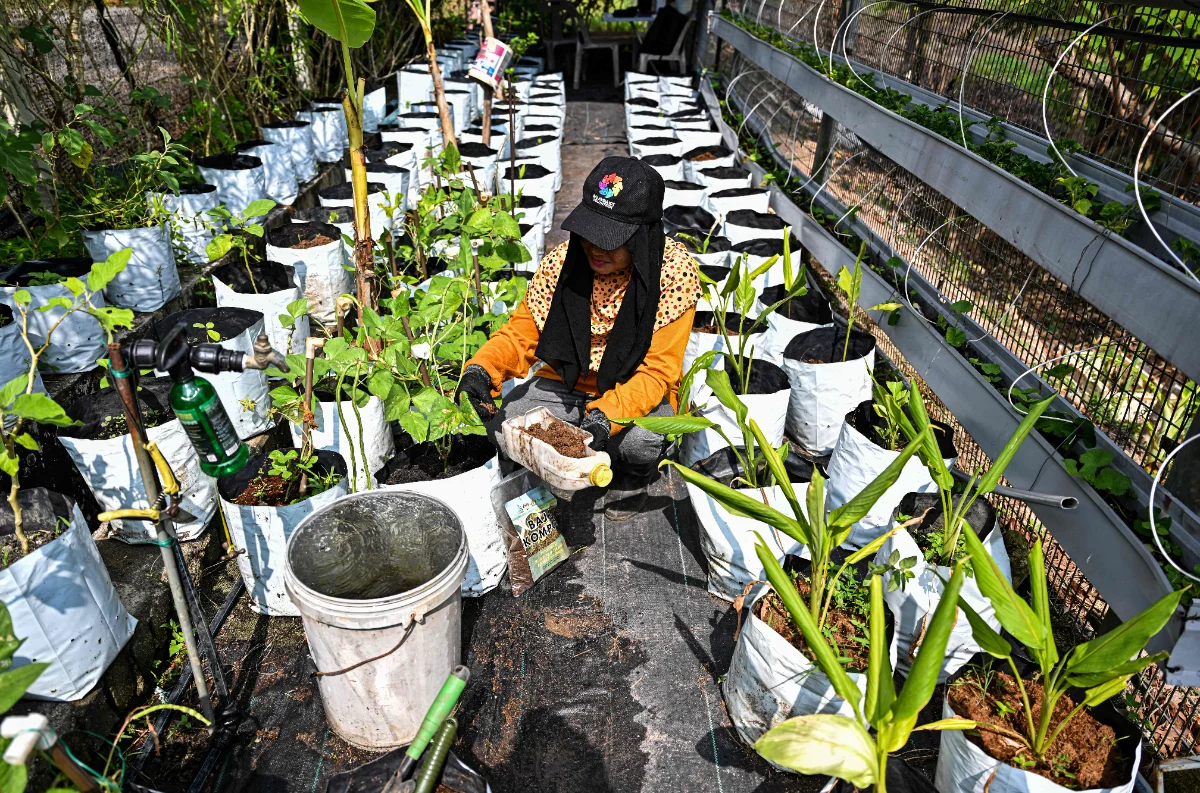
Not all fertiliser types are expected to see price increases, as this depends on existing inventories and market conditions.
PETALING JAYA: Malaysia currently has sufficient fertiliser stock to meet domestic demand for approximately nine months, or until the end of the year, despite concerns over potential supply disruptions linked to geopolitical tensions in the Middle East, the Dewan Rakyat was told today.
Deputy Agriculture and Food Security Minister Datuk Chan Foong Hin said current engagement with industry players indicates that existing stock levels held by suppliers and buyers remain adequate.
READ MORE: Strait of Hormuz disruption to push up food production costs: Economy Minister
“This means if we count from Feb 28, when the war occurred, there is enough fertiliser stock for the country until the end of this year,” he said.
Chan was responding to a question from Datuk Mohd Radzi Jidin (Putrajaya-Bersatu) on short, medium and long-term measures to address the impact of the Middle East conflict on national food security.
He said not all fertiliser types are expected to see price increases, as this depends on existing inventories and market conditions.
On proposals to establish a fertiliser buffer stock, Chan said the measure is currently considered a long-term strategy due to cost, storage requirements and the need to identify the appropriate managing agency.
“Since we have sufficient supply at this time, we have placed the proposal to create a buffer stock as a long-term measure,” he said.
He added that the immediate focus remains on ensuring sufficient fertiliser supply for paddy cultivation, which is being managed through the National Farmers’ Organisation (NAFAS) under federal schemes.
On concerns regarding cheaper imported vegetables affecting local producers, Chan said the government had introduced a Certificate of Analysis (COA) requirement for vegetable imports effective June 1.
He said the measure is intended to ensure imported produce meets safety and quality standards, while also providing some protection to local farmers against price pressures.
“When importers want to bring in vegetables at prices cheaper than local produce, we want to protect our local farmers and vegetable growers by requiring a COA,” he said.
Chan added that while cheaper imports may reduce prices in the short term, they could negatively impact domestic farmers and long-term food security.
He also said the government is drafting a Fertiliser Bill to regulate quality standards across the supply chain and ensure supply stability.
Malaysia is also encouraging the use of organic fertiliser, biofertiliser and effective microorganisms to gradually reduce dependence on chemical fertilisers.



