




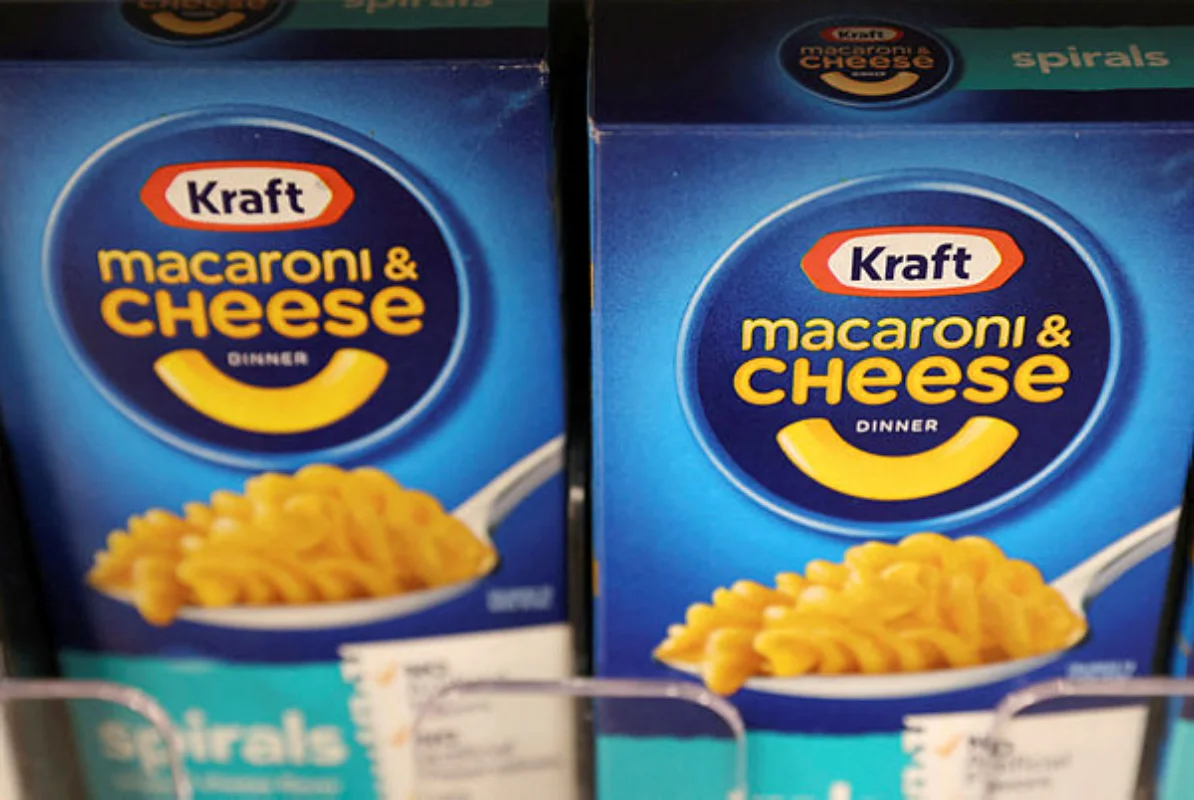
San Francisco sues Kraft, Mondelez and Coca-Cola, alleging they knowingly marketed addictive foods that caused a public health crisis.
SAN FRANCISCO: The city of San Francisco has filed a lawsuit against Kraft, Mondelez, Coca-Cola and other manufacturers of ultra-processed foods.
City Attorney David Chiu filed the suit in San Francisco Superior Court on Tuesday, accusing the companies of knowingly sickening California residents with addictive and harmful products.
The lawsuit alleges the companies used tactics similar to the tobacco industry to design and market products intended to addict consumers.
ALSO READ: US health plan avoids junk food and pesticide restrictions, critics say
It further accuses them of violating California’s public nuisance and deceptive marketing laws.
“These companies engineered a public health crisis, they profited handsomely, and now they need to take responsibility for the harm they have caused,” Chiu said in a statement.
The lawsuit claims that as ultra-processed foods have proliferated, rates of obesity, cancer and diabetes have increased.
Chiu’s office stated that heart disease and diabetes are among San Francisco’s leading causes of death, with higher diagnosis rates in minority and low-income communities.
The city is seeking restitution and civil penalties to offset its healthcare costs.
It also requests a court order to stop deceptive marketing and force the companies to alter their practices.
Representatives for Mondelez, Coca-Cola and Kraft-Heinz did not immediately respond to requests for comment.
Ultra-processed foods generally include many packaged snacks, sweets and soft drinks made with industrial ingredients and additives.
A May report from U.S. Health Secretary Robert F. Kennedy Jr. cited such foods as a cause of chronic illness epidemics in children.
This lawsuit is the first time a municipality has sued over claims food companies knowingly marketed addictive, harmful ultra-processed foods.
San Francisco is represented by attorneys from Morgan & Morgan.
That firm previously handled a similar lawsuit filed by a Philadelphia man, which was dismissed in August.
A federal judge dismissed that case after the plaintiff failed to connect specific products to his Type 2 diabetes and liver disease. – Reuters



