




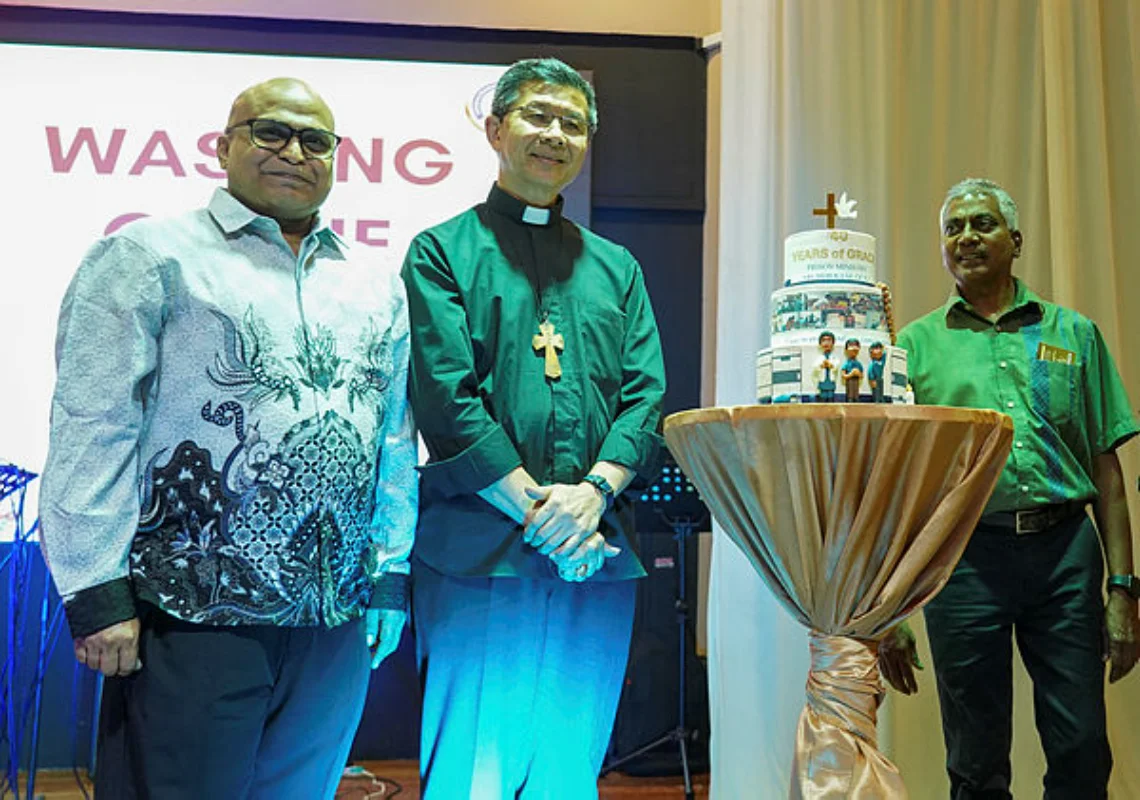
PETALING JAYA: The greatest obstacle facing inmates on the road to rehabilitation is not prison walls or barbed wire but the psychological and emotional barriers they carry within themselves, said CPFA president Gnadass Amaldass.
Many struggle to escape what he calls an “inner prison” – a state of self-imposed bondage shaped by guilt, regret, denial and despair – even as they serve their sentences.
“Many inmates remain stuck in the past, replaying their mistakes over and over again. Some regret their actions deeply, others live in denial or blame others.
“Over time, many sink into depression, lose their self-esteem and believe they will never regain the trust or respect of their families and society,” said Amaldass.
CPFA volunteers hold weekly prison visits focused on emotional, spiritual and psychological healing, helping inmates see their time as an opportunity for personal transformation.
“Our sessions share a simple but powerful message – that a new life and better future are possible,” Amaldass said, adding that inmates are encouraged to grow physically, mentally, emotionally and spiritually while incarcerated.
Inmates are guided to confront their past honestly, seek forgiveness and focus on inner change before attempting to rebuild relationships.
“The idea is for prison to become the turning point in their lives. If they can show genuine change, all they need is another chance to prove it,” he said, adding that beyond structured counselling, the regular presence of volunteers itself is crucial.
“In a place where silence and isolation can feel heavier than the walls, the simple act of showing up becomes deeply meaningful. It tells them they are not forgotten and that they still belong to a wider human family.”
Through conversation, prayer and spiritual reflection, volunteers bring messages of mercy and forgiveness into an environment often marked by loneliness and guilt.
“That brief human connection can restore dignity and remind inmates they are seen, valued and never beyond hope.”
Many inmates come from broken family backgrounds and grew up without stable emotional or moral foundations, said Amaldass. Some crimes, he added, resulted from impulsive decisions made during moments of emotional turmoil.
“Our faith-based approach helps inmates return to basic values and principles – whether through religion or spiritual reflection – that encourage responsibility, self-discipline and compassion.
“Such inner transformation often leads to visible changes in behaviour, attitudes and outlook, increasing the likelihood of successful reintegration after release.”
Amaldass said looking beyond prison walls, fear of rejection dominates inmates’ thoughts as their release date approaches.
“Many worry whether their families will accept them back or whether employers will offer them work,” he said.
Initiatives such as the Jalinan Kasih programme which promotes reconciliation between inmates and their families and expanded skills training programmes within prisons, are helping address these fears.
Amaldass urged the public to adopt a compassionate attitude towards former inmates, stressing that punishment should end once a sentence is served.
“No one is perfect. All of us make mistakes – some get caught. If former inmates can prove they have changed and are committed to rebuilding their lives, they deserve the opportunity to start again,” he said.
He also appealed to families to respond with forgiveness rather than rejection, warning that exclusion and stigma can push former inmates further to the margins of society.



