



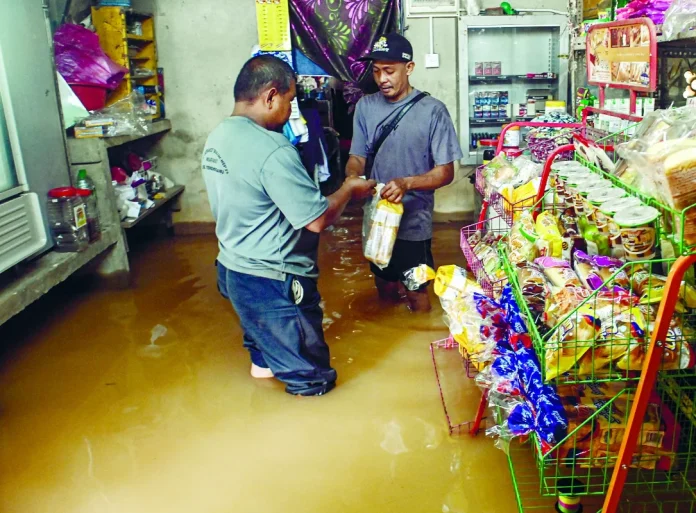
Consuming compromised food can lead to severe foodborne illnesses
WHEN floodwater – a contaminated mix of sewage, chemicals and debris – invades our homes, it doesn’t just damage our property; it poisons our food supply.
The standing water that remains after flooding creates ideal conditions for bacteria, moulds and pests to multiply rapidly in food items.
Consuming compromised food can lead to severe foodborne illnesses like cholera, typhoid and dysentery, creating a second-wave health crisis when communities are already vulnerable.
The most critical rule to remember is this: When in doubt, throw it out. Harmful pathogens and chemical contaminants carried by floodwater are invisible to our senses. We cannot rely on the look, smell or taste of food to determine its safety. If there are any uncertainties about an item’s integrity, discarding it is always the safer choice.
Make quick, safe decisions
Our first priority should be identifying and separating unsafe food. Any item that has come into direct contact with floodwater must be discarded.
This includes all fresh fruits and vegetables, as well as any food in porous packaging like cardboard boxes, plastic wraps or containers with screw-top lids. Even if the contents appear dry, microscopic contaminants can seep through the smallest of openings, making the food unsafe for consumption.
The emotional toll of discarding food, especially when supplies are limited, is understandable. However, the health risks associated with consuming contaminated food far outweigh the temporary financial loss. Food poisoning can lead to dehydration, hospitalisation, and in severe cases, death – particularly in children, the elderly and those with compromised immune systems.
This simple guide (see table) can help you make quick, safe decisions for common household items:

Additionally, special attention must be paid to our kitchen appliances and food storage areas. If the power is out for more than four hours, the food in the refrigerator becomes potentially hazardous. Perishable items such as meat, poultry, seafood, milk, dairy products and eggs should be discarded. Frozen food items that have completely thawed and reached room temperature must be thrown away. Only items that still contain ice crystals or feel refrigerator-cold may be safely refrozen.
Some commercially packaged items can be saved through meticulous cleaning.
Sealed, undamaged metal cans and impermeable plastic pouches may be salvaged, but only after thorough disinfection of the exterior. Wash these containers with soap and water, then sanitise by immersing in a mild bleach solution (one tablespoon of household bleach per gallon of clean water) or by boiling the container for two minutes.
Further safety measures and collective action
Water safety is equally crucial during flood situations. Assume that the tap water is contaminated until official sources confirm otherwise. Use bottled water whenever possible, or boil water at a rolling boil (100ºC) for at least one minute for all purposes – drinking, cooking and cleaning food preparation surfaces.
Personal hygiene remains our strongest defence against illness transmission. It is also important to wash our hands frequently with soap and safe water, especially before handling any food and after any contact with floodwater or potentially contaminated surfaces.
Food preparation requires extra vigilance during these times. All surfaces that come into contact with food must be thoroughly cleaned and sanitised. Use hot, soapy water followed by a bleach solution to disinfect countertops, cutting boards, and utensils. Ensure that cooked food reaches safe internal temperatures and avoid leaving perishable items at room temperature for more than two hours.
Community support plays a vital role in flood recovery. Share this knowledge with neighbours, especially those who might not have access to this information. Check on elderly community members who may need assistance identifying and disposing of unsafe food items.
Working together ensures that the entire community emerges healthier from this challenging situation.
Floods test our resilience, but they also reveal our strength and capacity for community care.
By taking these decisive steps to ensure food safety, we protect our families’ health while contributing to broader public health efforts.
This knowledge empowers us to navigate the recovery process with confidence, ensuring our communities emerge from this challenge healthier and more resilient than before.
Dr Wendy Pek Kui Lim is a food safety expert and educator at Taylor’s Culinary Institute, Faculty of Social Sciences and Leisure Management, Taylor’s University. Comments: letters@thesundaily.com



