



AS Malaysia’s retail landscape continues to be more competitive, payments are no longer just an operational function in the background. They are now at the point where trust is earned, customer experience is shaped, and business resilience is tested.
Entering 2026, three shifts stand out: how automation is changing the way trust is built, how flexibility is reshaping in-store commerce, and how checkout has become a critical moment where speed, security, and confidence must come together.
Agentic commerce, where AI systems begin to initiate and support transactions on behalf of consumers, is emerging. As these interactions enter the customer journey, they challenge assumptions around how intent, identity, and consent are verified – placing greater importance on payment infrastructure that can assess legitimacy and operate reliably at scale.
The industry is increasingly collaborating to establish shared standards for agent-led interactions, ensuring emerging AI capabilities integrate safely and seamlessly into existing commerce operations. This approach prioritises accountability, transparency, and customer needs, while giving businesses continued visibility and control over transactions, payment methods, routing, and data. Crucially, agent-led interactions are designed to plug into the payment, risk, and compliance systems retailers already trust, avoiding fragmented or siloed workflows as automation evolves.
This matters even more in a market like Malaysia, where fraud continues to rise for both consumers and businesses. As automation increases, security cannot be added after the fact. Trust needs to be built directly into real-time transaction flows, using data-driven decisioning to protect customers, support compliance, and maintain conversion without adding friction.
Consumers today expect shopping to be fast, seamless, and flexible—whether in-store or online. In Malaysia, over half of shoppers will abandon a purchase if checkout is slow or their preferred payment method is unavailable. In an environment where convenience is non-negotiable, a clunky or limited checkout experience is often enough to cost retailers the sale.
To meet these expectations, retailers are increasingly rethinking how and where payments happen. According to Adyen Index 2025 Retail Report, 58% of stores plan to speed up checkout through queue-busting tools, while 31% intend to equip store staff with mobile point-of-sale (MPOS) terminals and Tap to Pay capabilities – enabling faster, more flexible transactions beyond the traditional checkout counter.
With payments no longer confined to fixed counters, transactions can now take place in aisles, at café tables, during peak-hour rushes, or pop-up stores. This mobility gives retailers the flexibility to rethink store layouts, minimise bottlenecks, and create space for more engaging and interactive experiences, while empowering staff to close sales wherever customers are.
These same expectations apply just as strongly online. As shoppers move quickly between platforms and devices, they expect transactions to be quick and secure. Yet, traditional online checkouts redirect shoppers away from the retailer’s website to potentially unfamiliar external payment gateways – leading to increased dropoffs.
To keep pace, more retailers are investing in native checkout experiences, where customers buy products directly within an app or platform (like social media), making the transaction process smoother while also boosting consumer trust.
As customers shop across more channels and touchpoints, payments sit at the centre of the retail experience. They are where automation meets accountability, where speed meets security, and where operational decisions are most visible to customers.
For local businesses, the direction is clear. The future of payments will favour platforms and partners that can support intelligent automation, flexible in-store experiences, and real-time trust without adding friction.
In 2026 and beyond, every transaction is more than a transaction. It is a moment to prove reliability, reinforce confidence, and keep customers coming back.
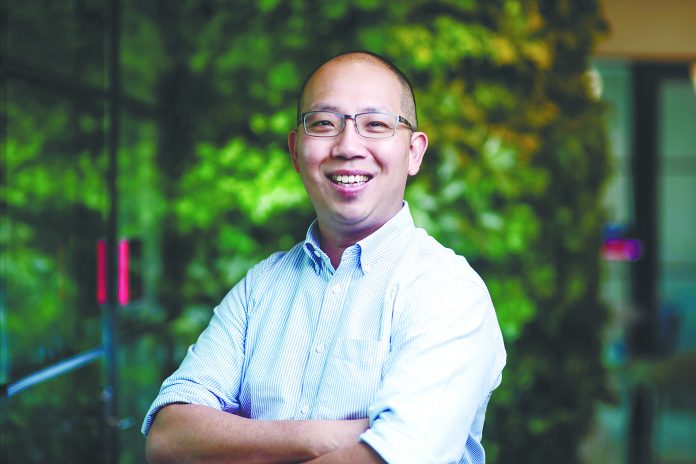
This article is contributed by Soon Yean Lee (pix), country manager (Malaysia) Adyen.



