




Table of Contents
Netflix’s second season trades stylish demon-slaying for heavy-handed political allegory, leaving Dante sadly sidelined in own story
In theSun’s review of Netflix’s first season of Devil May Cry – now lost in the aether of server migration – it was noted the inclusion of politics and political commentary in Adi Shankar’s adaptation of a game about a pizza-eating, demon-hunting, rocket-surfing, half-demon, half-human was hilarious, out of place and wholly lacking in subtlety and tact.
Now with its second season, it is clear Shankar is out to completely purge the pulpy fun out of Capcom’s original Devil May Cry game series in order to prop it up as his personal soap box to prattle on about turning demons into fictional stand-ins for people from Latin America and the Middle East while making fun of Christians and their cognitive dissonance.
As entertaining as the latter can be in other media, they certainly have no place in Devil May Cry or anywhere near it.
All out hell
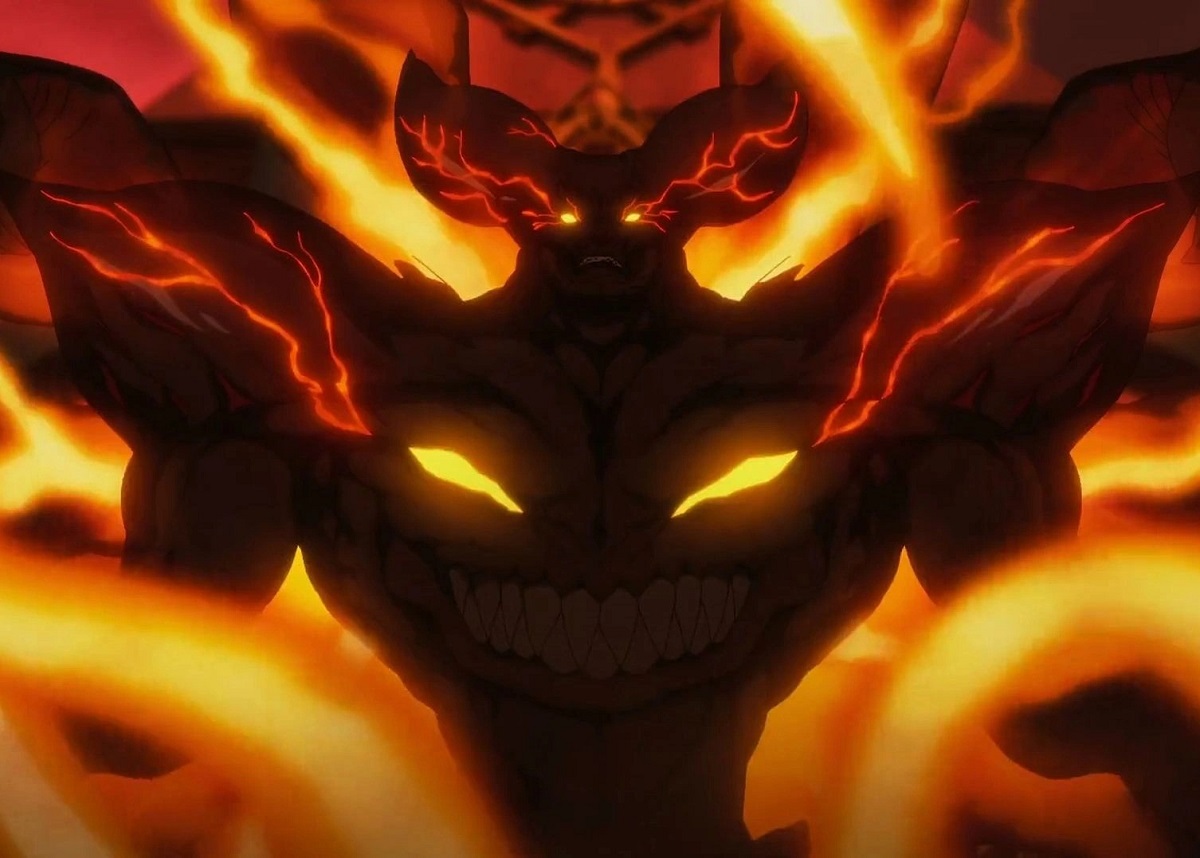
Not long after the events of the first season, the human-led Dark Realm Command (Darkcom) has begun its invasion of Hell, with the organisation and the US government throwing hundreds of soldiers against the army led by the devil prince Mundus (Ray Chase).
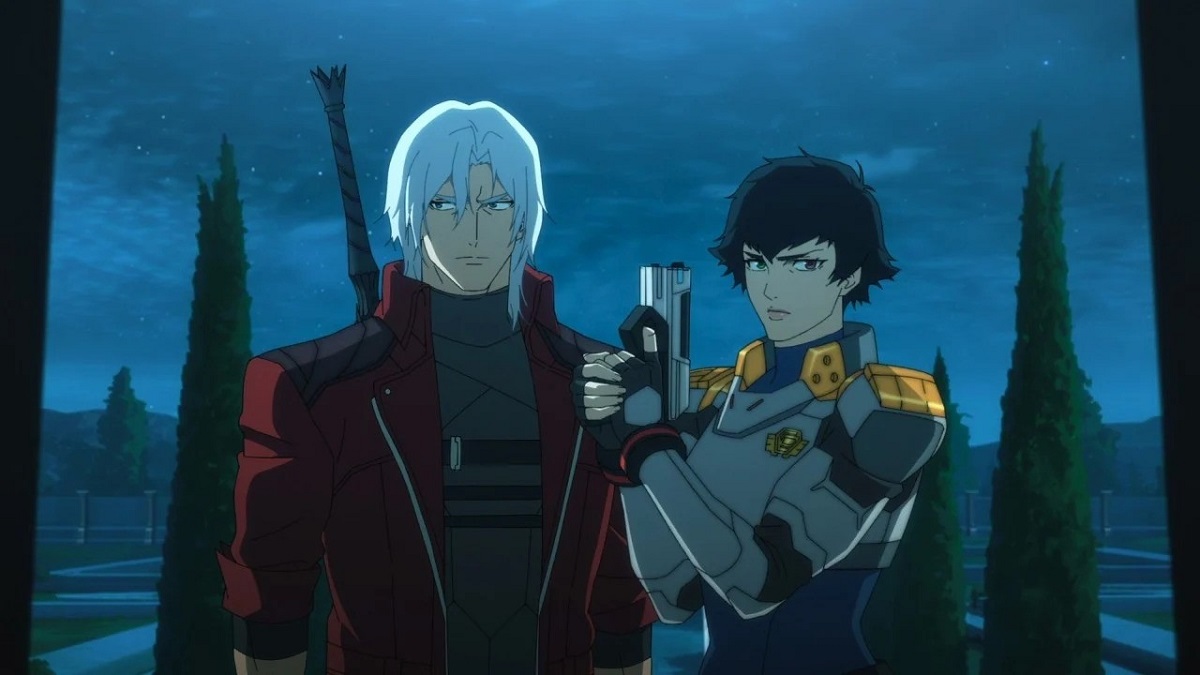
As the invasion begins to fail, Darkcom lieutenant Mary Ann Arkham (Scout Taylor-Compton) uses the battle as a diversion to infiltrate Mundus’s castle to steal a valuable artefact that would turn the tide of the Earth-Hell war.
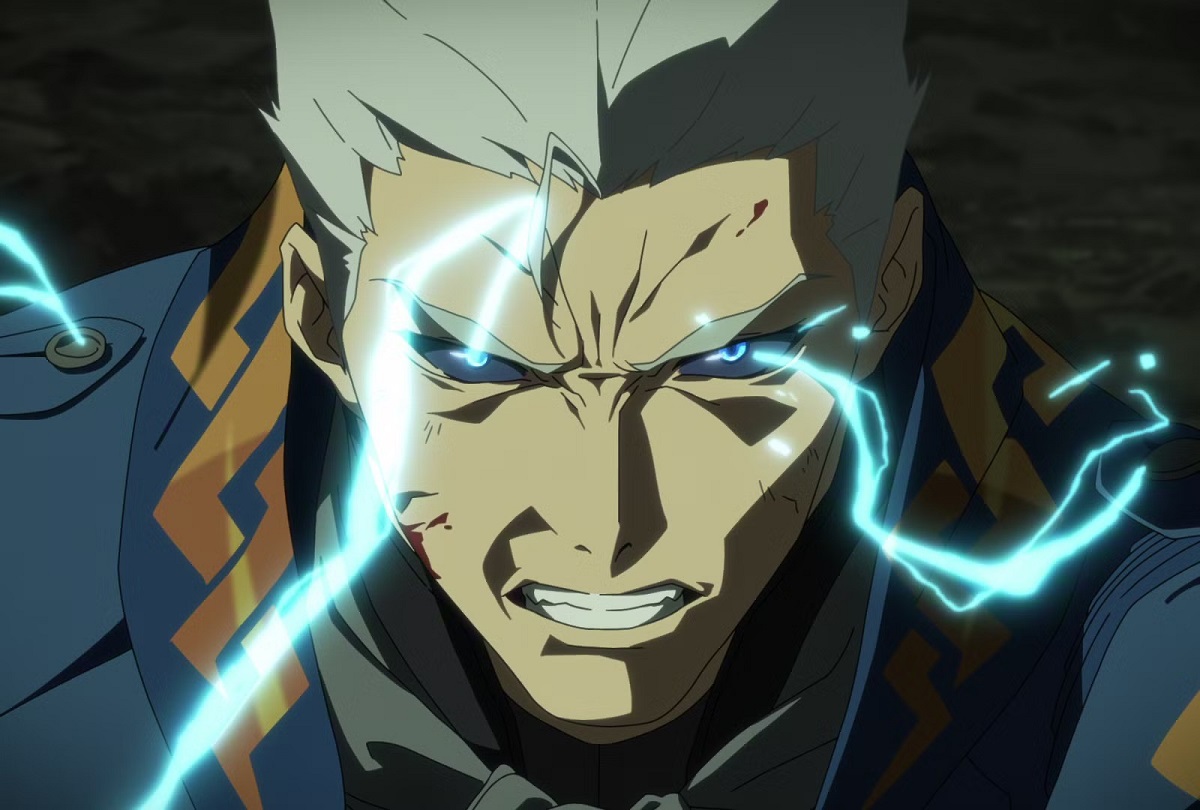
Eventually, Vergil (Robbie Daymond) is sent to Earth as an agent of Mundus, with Darkcom releasing Dante (Johnny Yong Bosch) from his captivity to stop him, as Dante is the only other demon-human hybrid that rivals Vergil, his twin brother, in strength.
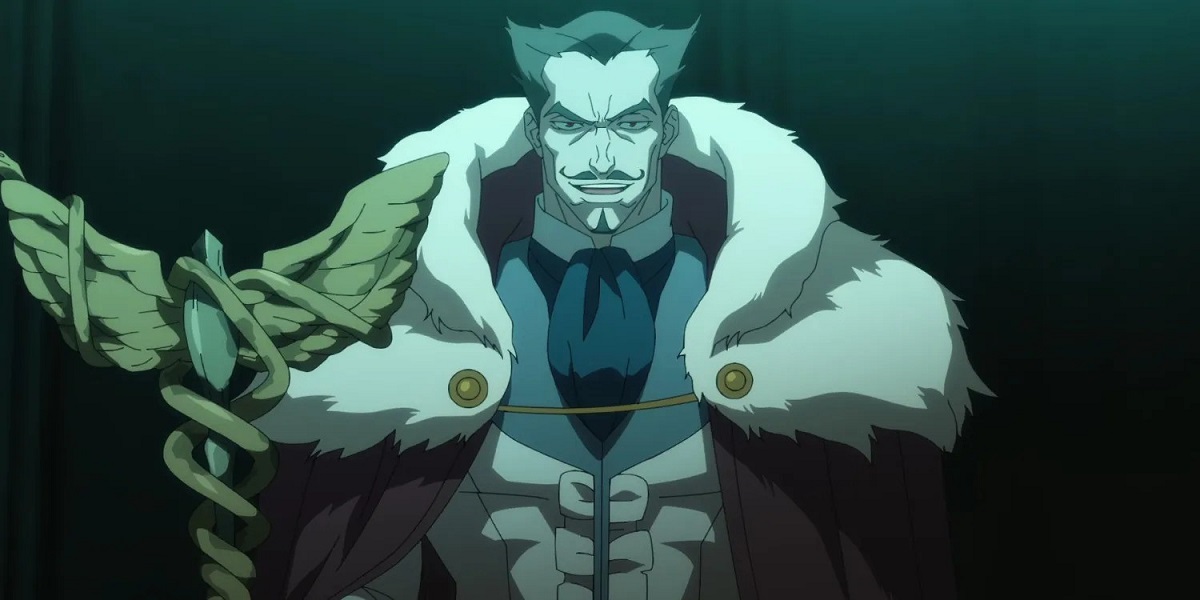
Meanwhile, the founder of Darkcom, Arius von Erenburg (Graham McTavish) begins the next step of his plan: Resurrect the former king of hell, Argosax to overthrow Mundus.
Style amid chaos
Before we dual wield two pistols and riddle this season with bullets, it might be fair to give credit to what Netflix’s Devil May Cry does well, which is not too surprising as they are carried over from the previous season and are singularly always the best parts of Shankar’s previous productions: The action and voice acting.
Far and above rivalling the animation in the best fights from Shankar’s Castlevania series, a good portion of the fights in this season is excellent and almost balletic, such as the sequences of Dante fighting the Darkcom soldiers, along with Dante and Vergil meeting for the first time.
The voice acting is nothing to scoff at either, particularly the direction given to the young voice cast of Kue Lawrence (young Dante), Marcel Nahapetian (young Vergil) and Paris Johnson as Matilda. Nahapetian in particular is a standout: His voice acting when Vergil is tortured as a child is hair-raising to listen to.
With the positives out of the way, here is the storm of negatives.
A franchise unrecognisable
For a bulk of this season and the story on display, Netflix’s Devil May Cry is Devil May Cry in its name only.
If the first season being a roller coaster train dangerously buckling in its tracks did not make that clear, the second season certainly does, as the train completely detaches and flies off the highest slope.
Shankar liberally uses the characters from the games to suit his whim and fancy, where in this case, it is to turn a hack and slash action game story about demons into a high fantasy military story that makes fun of Donald Trump, ICE and immigration, redneck Americans and Christian fundamentalism.
The second season warps so much of the source material that even Dante, the main character of the game series, becomes a secondary character here, while secondary and minor characters take over as leads because the aforementioned focus on American imperialism, military and politics would not work without said characters in the driver, passenger and backseats while Dante is gagged and hogtied in the boot.
This does not even take into account how, despite being the supposed lead and a half-demon with superhero-level powers, Dante gets repeatedly beaten by just about every other antagonist and villain throughout the season.
There has never been an anime since Netflix’s Devil May Cry to fall off this hard since Ninja Kamui but it is par for the course, because as Capcom’s gaming division soars, something else from the company has to nosedive to balance the scales of quality.



