




Table of Contents
How families, mentors keep silat alive
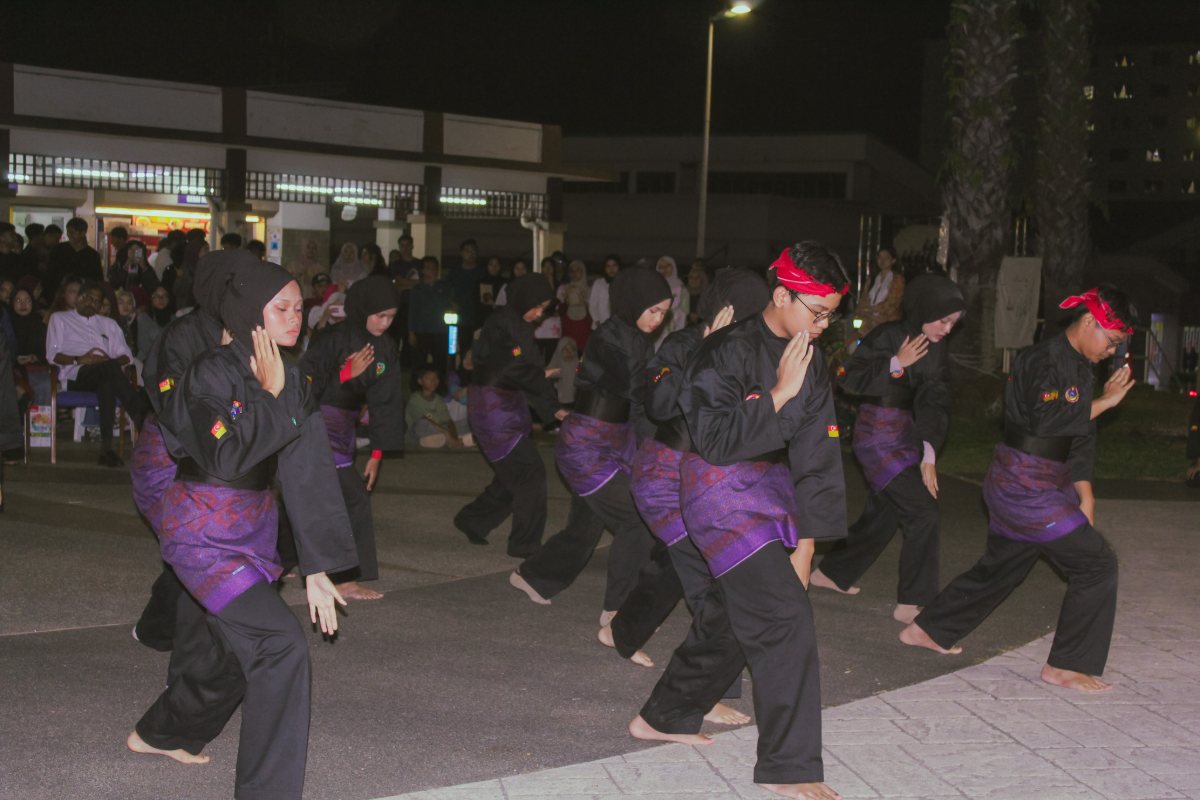
THE Malay martial art form, silat, is often treated as ceremonial, brought out for weddings, official functions and cultural showcases – a narrow view for an art form built on discipline, restraint, respect and identity.
Contrary to this, the ancient martial art is a living discipline that still has a place among young Malaysians.
Trusting the teacher
World silat champion Al Jufferi Jamari has spent years trying to move the martial art beyond the limited view that it belongs only at weddings or selected showcases.
“Throughout the last 15 years, I have proven to the world, not only Malaysia, that silat remains relevant then, now and forever,” he said at Gema Warisan by PRispire, a student-led programme at UiTM Shah Alam about whether silat still has a meaningful place among young Malaysians.
While young people may take up the martial art for the punches, kicks, locks and sparring – to truly embrace artform, they are also expected to learn discipline, humility and respect for opponents. Hence his argument is not built on nostlagia and his advice to younger practitioners was poignant yet direct.
“My advice to the younger generation is to learn silat but do not join gangster groups.
Gangsterism will only lead you towards damage,” he said.
This sentiment reflects a larger concern around martial arts. Strength can attract young people looking for confidence, status or belonging. Without proper guidance, that energy can be misused.
“Learn silat but do not let it consume you,” he said.
Al Jufferi also said parents should not dismiss the martial art as outdated or unsafe without understanding where and how their children are being taught. The responsibility is not only on the student.
“Parents have the right to ask for a teacher’s licence and certificate. Once they are satisfied, then they can send their children,” he said.
Building restraint
Lawyer and silat coach Muhajir Wazinie Morchseinie said the martial art value lies in how physical training shapes the mind. A practitioner learns how to move but also how to stay calm under pressure.

“Within physical strength, there is also mental strength. When silat students have both physical and mental endurance, they develop the ability not to panic easily under pressure,” he said.
For young people, that lesson may be more useful outside the ring than inside it. School, university and working life all test patience in different ways. The martial art teaches that reaction without thought can cause damage.
National silat referee and judge Yusrizam Ibrahim said leadership is often formed by facing problems directly.
“Whatever we do, we must be brave enough to face it. Do not run from what is in front of us,” he said.
He recalled managing a large silat competition that drew criticism over organisational problems. With more than 100 team managers confronting him, he said the only choice was to stay and deal with it.
“We had no other choice. We had to face it. When we face problems, we learn how to overcome them,” he said.
Adab before skill
During the discussion, the word that kept returning was adab (proper conduct). In silat, skill without adab is incomplete. Muhajir said knowledge alone does not make a person grounded.
“We may have knowledge but we may not have adab. But when a person has adab, usually that person will also seek knowledge,” he said.
That may be why silat still has a place among young Malaysians. It offers movement, discipline and identity but also a practical way to teach strength without arrogance.
Silat survives when families trust it, teachers protect its values and young people find their own reasons to keep stepping into the gelanggang.
The message from practitioners was clear: silat remains relevant. when it is taught as a living discipline, not reduced to performance.
READ MORE:
Malaysian Parenting: Exploring cultural traditions with your children
Cooking with children: Benefits beyond mealtime
Hippotherapy: Autism therapy on horseback



