




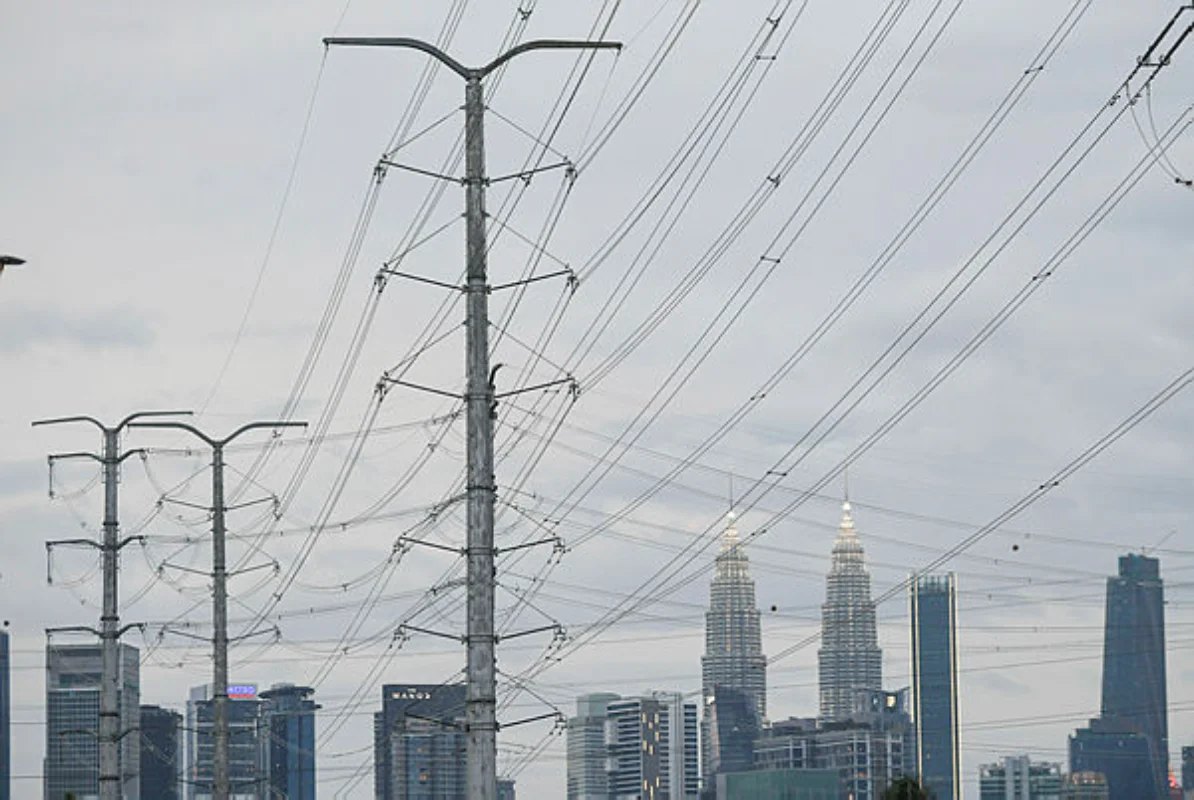
APEC projects electricity demand could rise 96% by 2060, driven by electric vehicles, data centres and a shift from fossil fuels, requiring massive investment.
KUALA LUMPUR: Electricity demand across Asia-Pacific Economic Cooperation (APEC) economies could nearly double by 2060, driven by electrification and data centre expansion.
The APEC Energy Demand and Supply Outlook report projects consumption rising by up to 96% from 2022 levels under current policies.
Electricity generation is expected to increase from 18,971 terawatt-hours (TWh) in 2022 to 32,690 TWh by 2060.
This reflects a structural shift away from direct fossil fuel use in transport, buildings and industry toward electricity.
Asia-Pacific Energy Research Centre (APERC) chairman Dr Kazutomo Irie said the outlook helps economies navigate the evolving energy landscape.
“It delivers timely insights into the energy trilemma as economies strive to balance energy security, affordability and sustainability,” he said.
By 2060, electric vehicles could account for 60% of the vehicle fleet under current policies, sharply reducing oil consumption.
If economies meet their stated targets, EVs could reach 96% of the fleet, further increasing electricity demand.
In buildings, demand is driven largely by the rapid expansion of data centres and artificial intelligence workloads.
On the supply side, renewables are projected to rise from 26% of generation in 2022 to 55% by 2060 under current policies.
This share increases to 64% if economies meet their stated emissions-reduction targets.
Coal use is expected to decline by 56% under current policies and by 74% if targets are met.
Natural gas supply is projected to rise 58%, highlighting its continued role unless stronger emissions cuts are pursued.
APERC estimates cumulative spending of US$57 trillion in the power and hydrogen sectors between 2025 and 2060 under current policies.
This investment requirement rises to US$91 trillion if economies pursue full emissions-reduction targets.
While reduced fossil fuel use generates US$5.4 trillion in savings, these are outweighed by the massive power-sector investment needed.
The investment is required for renewable generation, grids, storage, hydrogen infrastructure and backup capacity.
APEC warned that policy choices made over the next decade will have outsized effects on investment, prices and supply security.
“As electricity demand rises faster than overall energy use, economies face narrowing windows to expand grids and deploy low-carbon technologies,” it said.



