




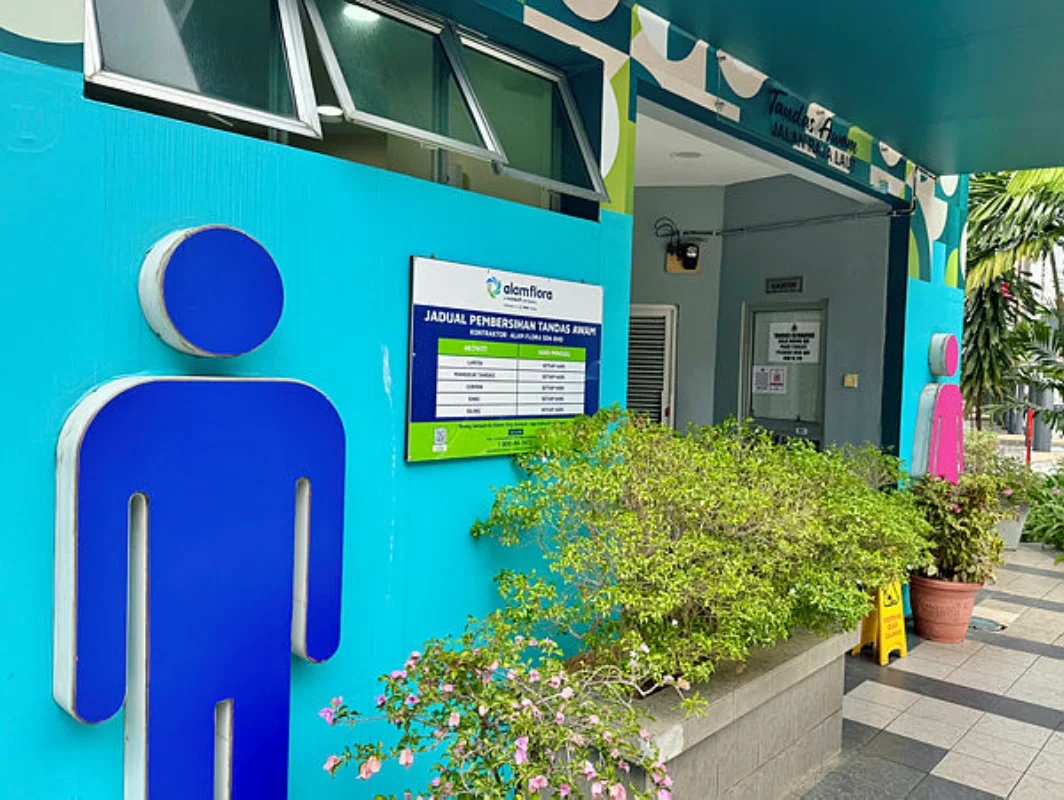
PETALING JAYA: Tourists may not remember every museum or monument they visit, but public toilets often leave a lasting impression and in Malaysia, that experience could influence perceptions ahead of Visit Malaysia 2026.
Public toilet standards directly affect visitor comfort, health and mobility, particularly for families, elderly travellers and persons with disabilities, according to Universiti Utara Malaysia School of Tourism, Hospitality and Event Management senior lecturer Dr Mohamad Zaki Ahmad.
“Their quality directly shapes the overall visitor experience,” he said.
Despite improvements at premium locations, many public toilets nationwide continue to be viewed as unclean, outdated and poorly maintained.
Hygiene standards vary widely at airports, transport hubs, shopping centres, national parks, highways, cultural attractions and rural tourism sites, he added.
“A negative toilet experience could quickly overshadow positive memories of a destination, reducing visitor spending, shortening time spent at attractions and even generating damaging social media reviews,” he said.
Mohamad Zaki pointed to countries such as Japan, South Korea and Singapore as examples of how toilet cleanliness has been incorporated into national branding.
Japan’s approach, often described as toilet tourism, integrates aesthetic design, advanced technology and disciplined maintenance to turn facilities into attractions.
South Korea enforces strict standards through its Public Toilet Act, while Singapore applies a star-rating system, conducts regular audits, trains staff and penalises non-compliance.
“These international examples highlight four pillars of success – smart technology, a consistent maintenance culture, strong public-private governance and clear operating standards,” he added.
“Malaysia faces gaps in all four areas, but with strategic planning, these solutions can be adapted.”
To raise standards, Mohamad Zaki recommended measures, including standardised cleaning schedules and professional training for staff across councils, airports, rail stations and tourism sites, as well as the introduction of a national toilet rating system graded from A to C for transparency.
He also proposed prioritising no-touch fixtures such as automatic taps, flushers and soap dispensers in high-traffic areas, installing multilingual signage in Bahasa Malaysia, English, Mandarin and Arabic, introducing QR-code feedback systems and providing incentives for councils that meet cleanliness benchmarks alongside stricter penalties for non-compliance.
Mandatory accessible toilets in all new buildings were also among his recommendations.
Beyond infrastructure, he also highlighted the role of behavioural nudges to improve user conduct.
These include automated audio or visual reminders, floor markings, social-norm messaging, sensor-based prompts and gender-sensitive cues.
“Such measures encourage proper toilet etiquette and reinforce cleanliness standards without constant human supervision,” he said.
He added that public education campaigns in schools, travel hubs and the media could further embed a culture of hygiene and responsibility.
According to Mohamad Zaki, upgrading public toilets would require modest capital investment, professional training, stricter vendor contracts, inter-ministry coordination and consistent enforcement nationwide, alongside updates to building by-laws and long-term monitoring through annual audits.
“Clean toilets represent more than hygiene. They reflect professionalism, service quality and hospitality. For Visit Malaysia 2026, they are a subtle yet powerful signal of the country’s readiness to welcome global visitors. In the era of experiential tourism, the condition of public toilets mirrors a nation’s overall standard of service and care.”



