




Malaysia has installed 5,624 public EV chargers, with DC fast chargers exceeding their target by 128%, as the government focuses on boosting consumer confidence.
KUALA LUMPUR: A total of 5,624 public electric vehicle charging units have been installed nationwide.
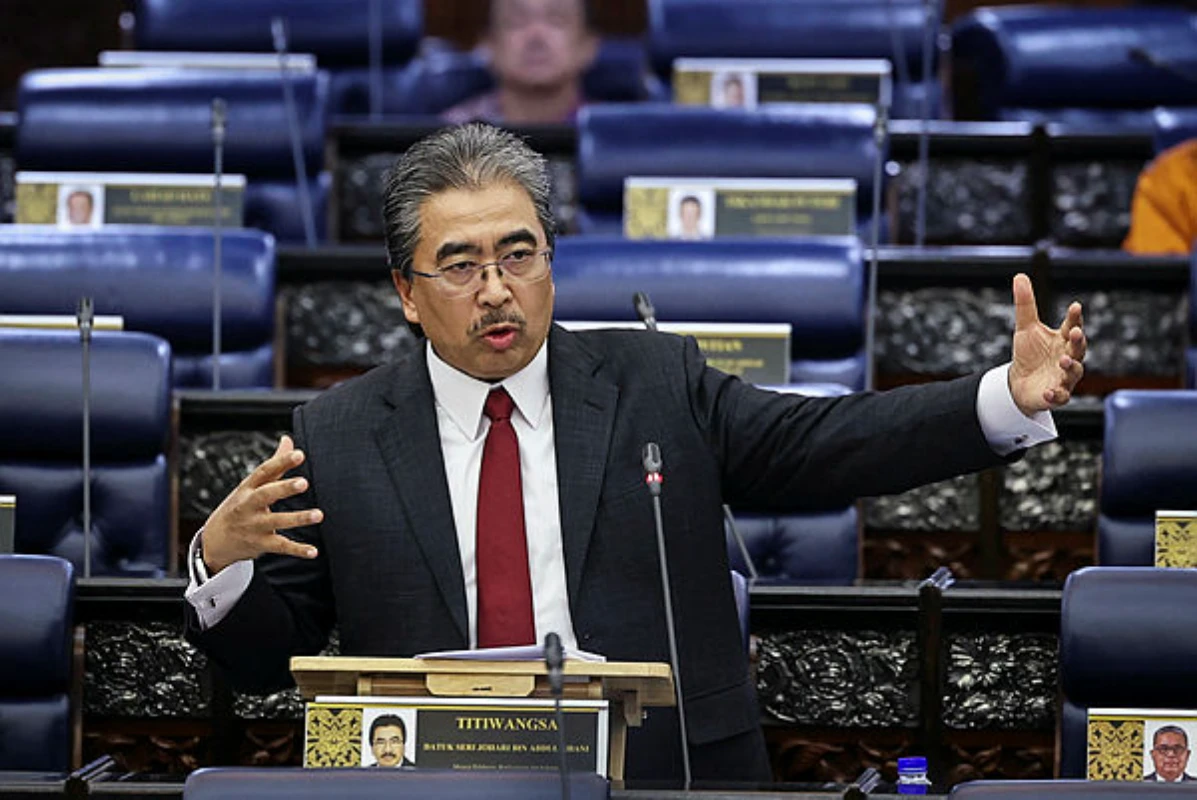
This figure represents 56% of the government’s overall target of 10,000 units, according to Investment, Trade and Industry Minister Datuk Seri Johari Abdul Ghani.
Of the total, 1,923 units are direct current fast chargers, while 3,701 are alternating current chargers.
The installation of DC chargers has exceeded its initial target by 128% against the original goal of 1,500 units.
Conversely, AC chargers have achieved only 40% of their target of 8,500 units.
Johari said the achievement for DC chargers reflects the need to focus on installing public fast-charging facilities.
He added that this aligns with industry feedback indicating fast charger availability is a key factor influencing consumer confidence in switching to EVs.
“The government also wants to encourage EV owners to install EV chargers at their own residences,” Johari said.
He stressed that the cost of charging EVs at home is far cheaper than using DC fast chargers.
The minister acknowledged challenges in developing the EV charging infrastructure sustainably.
These include high installation costs, particularly for DC chargers estimated at RM210,000 per unit.
The process also involves coordination with various authorities like local councils, the Energy Commission and Tenaga Nasional Bhd.
Johari said technical coordination and site approvals result in longer timelines, especially for strategic, high-demand areas.
Responding to a query on northern region facilities, he said EV charging has been developed at 21 key locations.
These involve 45 DC charging units operated by various Charging Point Operators like TNB Electron and Gentari.
The chargers have capacities ranging from 24 kilowatts to 240 kW, with over 15 more public units already in operation.
Johari noted demand for charging on routes like the Gerik-Jeli Federal Route remains low and seasonal.
Therefore, he said any additional development must consider demand factors, feasibility and operational sustainability.



