



Even ordinary actions, such as switching on a light, could trigger sparks if gas has built up
GEORGE TOWN: Last week’s HELP University explosion, which killed one man and injured nine, is a stark reminder that when gas accumulates unnoticed, disaster can strike in an instant, said burn survivor Eileyn Chua, 48.
Chua, who survived a gas explosion at her Penang home in 2016, warned that the dangers of gas leaks are often underestimated, despite how little it takes for them to turn deadly.
The practising lawyer said even ordinary actions, such as switching on a light, could trigger sparks if gas has built up.
“When gas is trapped in an enclosed space, it becomes extremely dangerous. Even the slightest friction or spark could cause an explosion.
“People assume it takes a big flame to cause an explosion, but that is not true.”
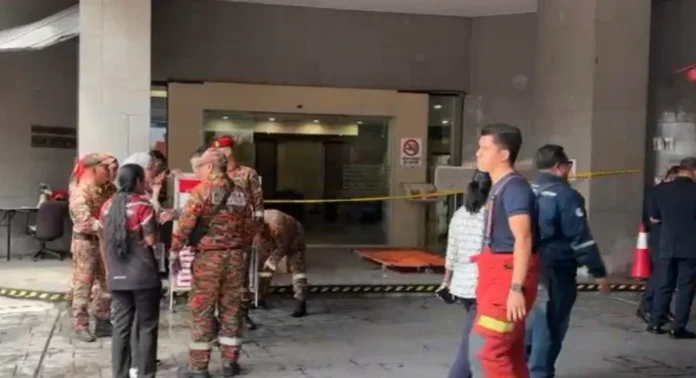
The Jan 12 blast occurred at 11.40am during air-conditioning maintenance works at HELP University’s Bukit Damansara campus.
Believed to have been caused by a ruptured air-conditioning compressor, the explosion originated from an area adjacent to a cafeteria on the fourth floor, causing an estimated 30% structural damage. Fortunately, it did not trigger a fire.
The building has been closed pending investigations, with HELP University saying it is cooperating fully with authorities, as well as the building owner and management.
Students and staff were evacuated in accordance with emergency protocols.
Prime Minister Datuk Seri Anwar Ibrahim has ordered an urgent probe into the incident.
Chua said she was deeply saddened by the explosion and expressed sympathy for those affected.
“As a burn survivor, my heart goes out to the families and friends of the victims.”
She added that the tragedy underscored the need for basic gas safety education as many people remain unaware of the risks.
“Gas safety should be treated as basic knowledge, such as fire drills or road safety. LPG tanks and gas systems are common in homes and buildings, yet many people do not fully understand the dangers.”
She emphasised that the strong smell associated with gas leaks is a critical warning sign that should never be ignored.
“Gas itself is odourless but additives are used so that leaks can be detected. If the smell is very strong, it usually indicates a leak and immediate action should be taken.”
She is working with other burn survivors to establish an association to provide support and raise awareness about burn injuries and gas safety.
“In the future, we hope to collaborate with Fire Departments or relevant agencies to organise talks and awareness programmes.”
Chua documents her experience in the memoir When an Explosion Knocks You Down, recounting her survival after sustaining burns over 80% of her body.
“My message to others is: Whatever happens in the past does not define your future. Bad or unexpected things may happen to you now, but that does not mean things will not improve. Do not lose hope. Take one step at a time.”



