




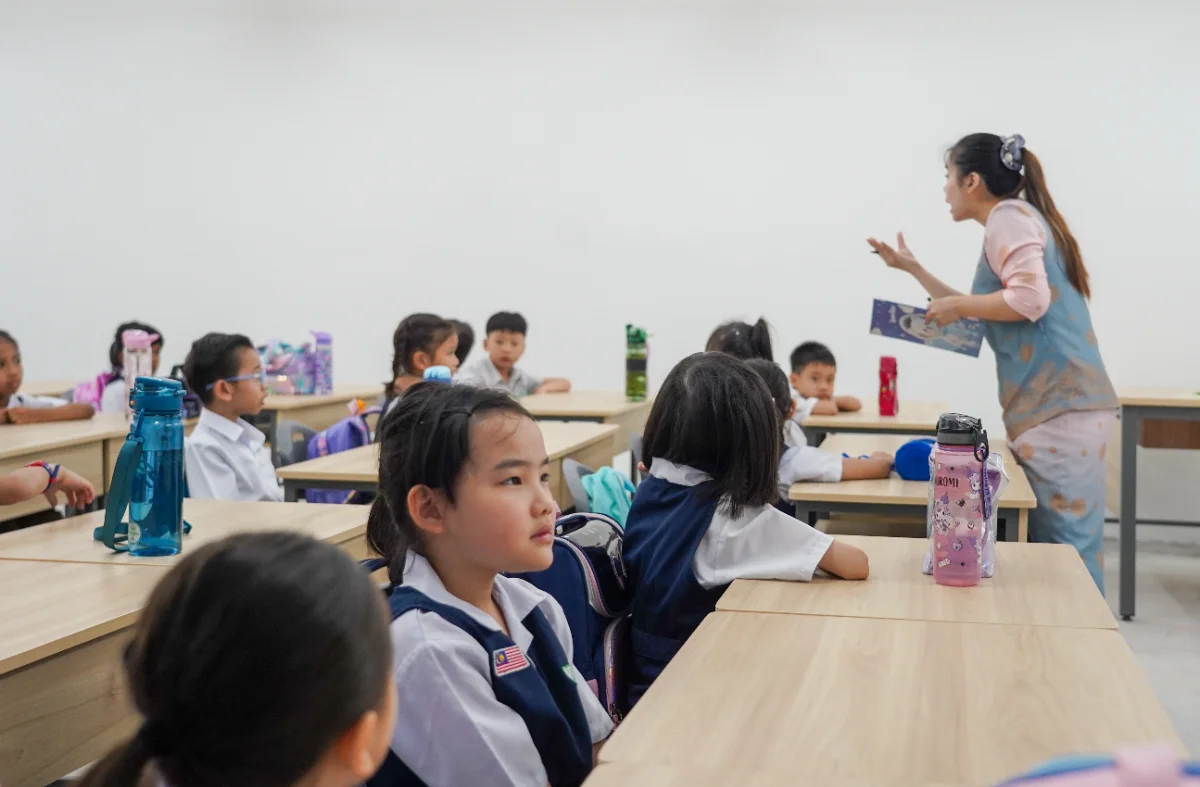
While reform aligns M’sia with global norms, specialists caution heavy syllabus, voluntary rollout could confuse parents and strain children emotionally
PETALING JAYA: Malaysia’s plan to allow six-year-olds to enter Year One has been hailed as bold but experts feel that its voluntary nature and the heavy curriculum could sow confusion, widen inequalities and trigger long-term challenges.
UiTM Social and Policy Studies lecturer Prof Dr Yarina Ahmad said the reforms signals a strong commitment to education and aligns with international norms.
“I personally like the idea of this education transformation. It is one of the biggest and boldest movements we have seen,” she said, pointing out that countries including France, Germany, Japan, China and Thailand start primary education at six, in line with Unesco recommendations.
However, Yarina said successful implementation hinges on clear standards, readiness assessments and robust systemic support. She warned that letting parents decide whether six-year-olds should enter Year One could create unintended pressures.
“Parents may choose based on cost, social expectations or fear of their child falling behind, rather than true developmental readiness,” she said, noting that some children may be better off remaining in preschool or kindergarten.
Without clear guidance, such flexibility could confuse families. Parents, teachers, and society must have a shared understanding of what “readiness” means, she said.
Yarina also cautioned that the policy could exacerbate inequalities, particularly for children from lower-income households who might delay enrolment.
“This may create cohorts finishing school at different ages. Competition is already high and the policy could intensify peer pressure and unhealthy comparisons.”
She said children who start later may be stigmatised or perceived as weaker, potentially affecting confidence and long-term outcomes.
She further warned of ripple effects across the education system.
“If students complete their education sooner, we must ask whether universities and the job market are ready to absorb a larger wave of graduates,” she said, citing Malaysia’s existing graduate unemployment challenges.
On curriculum design, Yarina emphasised the need to balance academics with values, emotional intelligence and social skills.
“To build a wholesome future generation, education values must start early – including respect, social responsibility, environmental awareness and personal safety,” she said and urged policymakers to prioritise strengthening early childhood education, especially kindergartens, before major structural changes.
“We are still grappling with issues such as bullying, school dropouts, substance abuse and mental health challenges – they must be addressed alongside any reform.”
CPC International managing director and visiting consultant at Salam Senawang Specialist Hospital Dr Noor Aishah Rosli warned that many six-year-olds may not be developmentally ready for the current Year One syllabus.
“Children’s readiness should be based on cognitive, emotional and behavioural development, not age alone. Some six-year-olds may be ready, while others may not – some at seven still struggle,” she said, adding that emotional regulation, language and social skills are often underdeveloped.
She also highlighted that academic readiness goes beyond reading, writing and counting. Many children have undiagnosed conditions such as dyslexia, autism, ADHD (attention-deficit or hyperactivity disorder) or anxiety.
“In the first one or two weeks of school, parents often come to me because teachers report that the child cannot focus or follow instructions.”
Noor Aishah stressed that the current Year One syllabus, especially in mathematics and science, is too heavy for most six-year-olds.
“International and private schools may start Year One at six but they usually take a balanced approach. They place less emphasis on academic pressure and more on values, emotional development, communication and social skills.
“Our system, on the other hand, remains highly exam-oriented,” she said, warning that excessive academic exposure at a young age can heighten stress and anxiety, lower motivation, and dampen a child’s love of learning.
“Most children are average and that is perfectly fine. But heavy textbooks, too many subjects and long school hours can overwhelm young children emotionally.”



