



Iran’s clerical rulers confront a crisis of legitimacy as protests over economy and foreign policy spread, highlighting a deep generational divide.
DUBAI: Iran’s clerical establishment is grappling with a profound crisis of legitimacy as anti-government unrest spreads and foreign pressure mounts.
The protests, which began last month in Tehran, have now reached all 31 of Iran’s provinces.
They began with shopkeepers in the Grand Bazaar angered by the rial’s sharp decline but have since drawn in others, particularly young men.
ALSO READ: Iran army chief warns of response to US and Israeli threats
This differs from the 2022-23 unrest sparked by Mahsa Amini’s death, which was led prominently by women and girls.
The U.S.-based Human Rights Activists News Agency reports at least 34 protesters and four security personnel killed, with 2,200 arrested.
Analysts say the unrest highlights a deeper disillusionment with the Shi’ite ruling system.
“The collapse is not just of the rial, but of trust,” said Alex Vatanka, director of the Iran Program at the Middle East Institute.
Authorities have maintained a dual approach, calling economic protests legitimate while meeting some demonstrations with tear gas and violent confrontations.
After nearly five decades, Iran’s rulers are struggling to bridge the gap with a young society’s expectations.
“I just want to live a peaceful, normal life,” said Mina, a 25-year-old jobless graduate from Lorestan province.
“Instead, they insist on a nuclear program, supporting armed groups in the region, and maintaining hostility toward the United States.”
A former senior reformist official said the system’s core ideological pillars no longer resonate with those under 30, who make up nearly half the population.
“The younger generation no longer believes in revolutionary slogans — it wants to live freely,” he said.
The hijab, a major flashpoint previously, is now enforced selectively, with many women openly refusing to wear it.
Protesters are also venting anger over Tehran’s regional policies, chanting slogans like “Not Gaza, not Lebanon, my life for Iran.”
Tehran’s regional sway has been weakened by Israeli attacks on its proxies from Gaza to Yemen.
Verified videos show protesters in Mashhad tearing down a large Iranian flag.
Other verified footage shows clashes in Tehran’s Grand Bazaar and cheering marches in Abdanan city.
An unverified video from Gonabad appears to show young men leaving a seminary to join protesting crowds.
Vatanka said the system has survived past protests through repression and concessions, but that strategy is reaching its limits.
“Change now looks inevitable; regime collapse is possible but not guaranteed,” he said.
U.S. President Donald Trump has suggested he might aid protesters if security forces fire on them.
“We are locked and loaded and ready to go,” he posted on January 2.
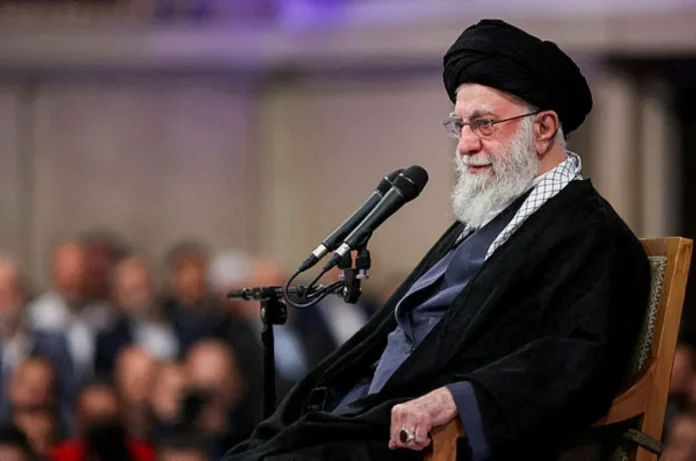
Supreme Leader Ayatollah Ali Khamenei responded by vowing Iran “will not yield to the enemy.”
The 86-year-old leader faces one of the most precarious moments of his long rule.
Israeli Prime Minister Benjamin Netanyahu has praised the protests as a “decisive moment.”
Inside Iran, opinions are divided on the prospect or desirability of foreign military intervention.
“Enough is enough. For 50 years this regime has been ruling my country. Look at the result,” said a 31-year-old man in Isfahan.
Asked about foreign intervention, he said, “No. I don’t want my country to suffer military strikes again.”
Exiled opponents, though deeply divided, believe their moment may be near and have called for more protests. – Reuters



