



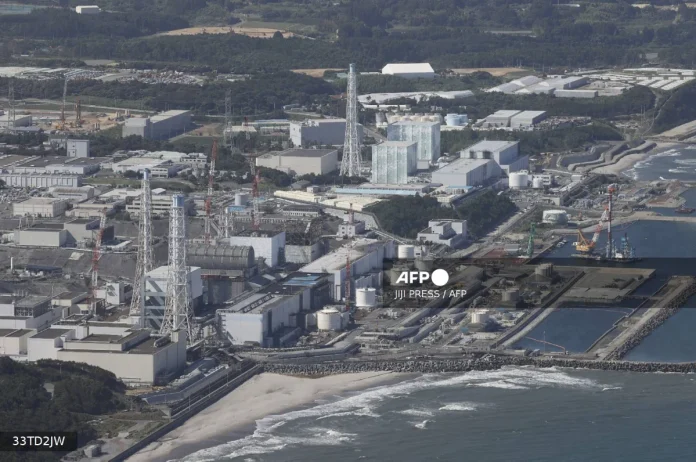
The restart of Japan’s Kashiwazaki-Kariwa nuclear plant was suspended hours after beginning due to a monitoring alarm, with the operator investigating the cause.
TOKYO: The restart of the world’s largest nuclear power plant was suspended in Japan just hours after the process began, its operator said.
Operations to relaunch a reactor at the Kashiwazaki-Kariwa plant in Niigata province began late Wednesday after receiving final regulatory approval.
“An alarm from the monitoring system… sounded during the reactor startup procedures, and operations are currently suspended,” said Takashi Kobayashi, a spokesperson for operator Tokyo Electric (TEPCO).
He confirmed the reactor “is stable and there is no radioactive impact outside”, adding that the cause is under investigation with no timeline for resumption.
The restart had already been delayed from Tuesday after a separate technical issue with a reactor alarm was detected and resolved last weekend.
Kashiwazaki-Kariwa is the world’s biggest nuclear power plant by capacity, though only one of its seven reactors was being restarted.
The facility was taken offline after Japan shut down nuclear power following the 2011 Fukushima disaster.
Resource-poor Japan now aims to revive atomic energy to reduce fossil fuel reliance, achieve carbon neutrality by 2050, and meet growing energy needs.
This restart marks the first for a TEPCO-run unit since 2011; the company also operates the stricken Fukushima Daiichi plant.
Public opinion in Niigata remains divided, with a September survey showing around 60% of residents oppose the restart.
“It’s Tokyo’s electricity that is produced in Kashiwazaki, so why should the people here be put at risk?” said 73-year-old resident Yumiko Abe during a protest.
Earlier this month, opposing groups submitted a petition signed by nearly 40,000 people, citing seismic risks as the plant sits on an active fault zone.



