



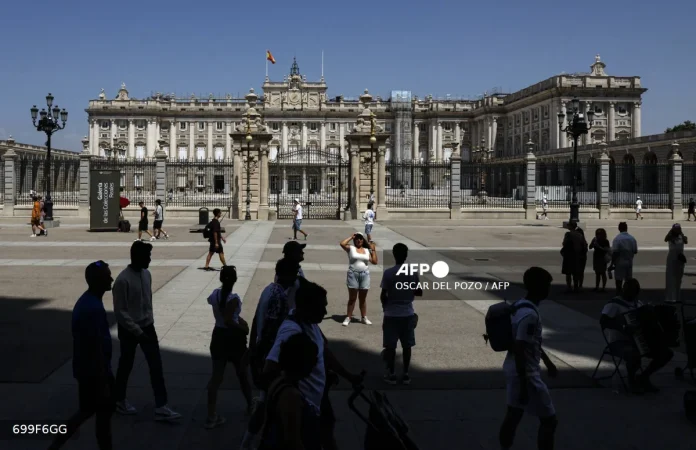
Spain’s tourism sector hits a new high with 97 million visitors and €135 billion in spending, but faces growing backlash over housing and sustainability.
MADRID: Spain welcomed a record 97 million foreign tourists in 2025, setting a new benchmark for the second consecutive year.
Tourism Minister Jordi Hereu announced the preliminary figures on Thursday, noting a 3.5% increase from the 94 million visitors in 2024.
Spending by tourists climbed 6.8% to €135 billion, underscoring the sector’s vital economic role.
“This is a collective success by the whole country that perfectly demonstrates Spain’s enormous attractivity,” Hereu said at a press conference.
He added that Spain is “a country that seduces the world.”
Most visitors came from Europe, with British, German and French holidaymakers accounting for around half of all arrivals.
Tourism represents about 13% of the economy in the world’s second most-visited country after France.
The sector’s dynamic growth has helped Spain rebound from past austerity and debt, playing a key role in post-pandemic recovery.
The Bank of Spain has predicted economic growth of 2.9% for 2025, more than double the average expected in the eurozone.
However, a growing backlash against mass tourism is emerging alongside a persistent housing crisis.
Locals have protested in thousands, complaining that surging visitor numbers are changing their neighbourhoods.
Hotspots like Barcelona, Andalusia, and the Canary and Balearic Islands are particularly affected.
Professor Pedro Aznar from Esade business school noted the sector’s growth generates wealth and jobs.
But he told AFP that high tourist numbers have “a clear impact on residents” in specific destinations.
He explained that tourist accommodation often “offers higher profitability” than residential housing.
Cities like Barcelona and Malaga have announced measures to clamp down on short-term tourist rentals.
The national government has ordered platforms like Airbnb and Booking.com to remove tens of thousands of non-compliant adverts.
Aznar also highlighted that “the impact on environmental sustainability is also relevant.”
Spain suffers from persistent water supply stress and only emerged from a years-long drought in 2025.



