





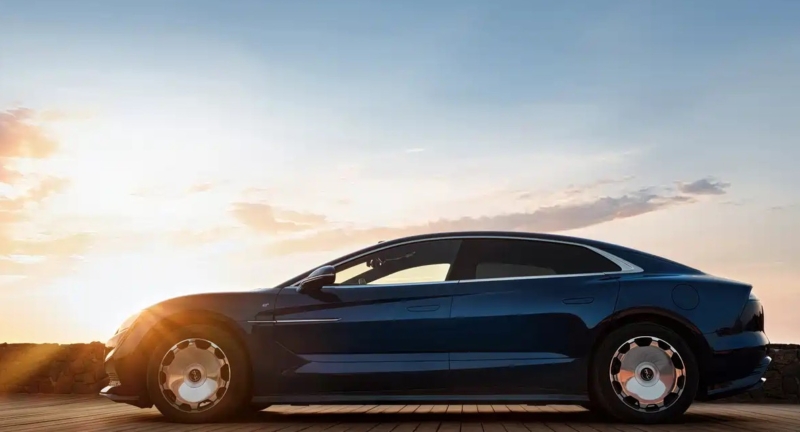
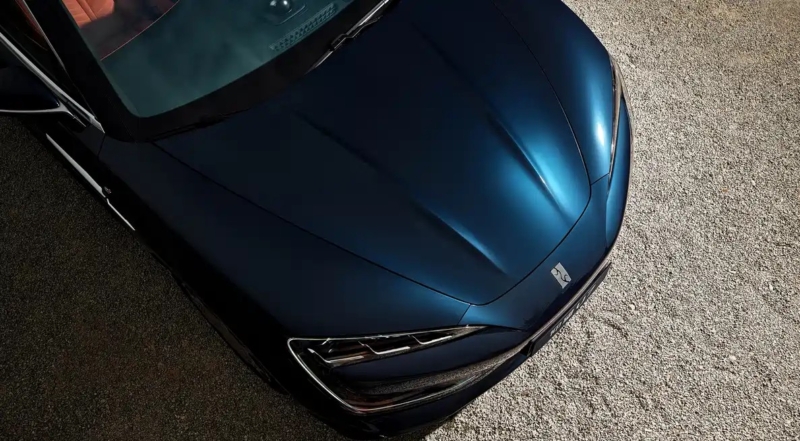
Yangwang is preparing to show off a fresh Galaxy Blue paint option for its flagship U7 sedan at the Guangzhou Auto Show, adding a new visual highlight just as the car receives a series of technical updates. The luxury model, offered in both fully electric and plug-in hybrid forms, is priced between 628,000 and 708,000 yuan, which works out to roughly RM414,000 to RM467,000.
New filings suggest that the U7 has been given a noticeable boost in performance, with total system output climbing from 1,287hp to 1,341hp. It continues to rely on four permanent-magnet synchronous motors, now calibrated at 260 kW, 260 kW, 240 kW and 240 kW. The petrol engine in the plug-in hybrid version remains unchanged, a 2.0-litre BYD4H20 unit rated at 268hp.
Its proportions also remain familiar, measuring 5,360 mm in length, 2,000 mm in width and 1,515 mm in height, with a long 3,200 mm wheelbase and a curb weight of 3,223 kg. The model continues to rely on an LFP battery pack, in line with BYD’s current preference for durability-focused chemistry.
One of the U7’s most distinctive features is its DiSus-Z electromagnetic suspension, a system inspired by technologies used in aircraft carrier catapults and magnetic levitation trains. Yangwang says the suspension can read the road half a second ahead using data from LiDAR and onboard cameras, allowing the car to instantly adjust ride height and damping to maintain composure over rough surfaces.
Its advanced driver-assistance setup remains one of the most comprehensive in its class. The U7 carries three LiDAR sensors, five millimetre-wave radars, 13 cameras and 12 ultrasonic sensors, all supported by a pair of Nvidia Orin-X processors delivering 508 TOPS. The hardware layout enables L2+ autonomous driving capabilities, along with sophisticated parking assistance.
For the fully electric version, the U7 continues with its 135.5 kWh Blade-style LFP battery, which delivers a CLTC range of 720km and allows very rapid DC fast charging. Earlier internal data indicated that charging from 30 to 80 per cent could take around 20 minutes when conditions are ideal, underscoring the model’s focus on long-distance usability paired with high-end performance.



