



We should treat every person, regardless of status, as a human being and with dignity.
THE disturbing incident outside a bank in Cheras – where a homeless man was sprayed with water and kicked in an attempt to force him away – has struck a raw nerve across Malaysia.
The footage, widely circulated on social media, has become more than a viral moment; it has become a mirror held up to our nation’s conscience.
The public’s shock is understandable. We like to think of ourselves as compassionate, religious and morally grounded. Yet, this single episode compels us to ask uncomfortable questions: Have we become desensitised to the sufferings of the vulnerable? Has compassion become conditional? Are we truly living our values or merely professing them?
What unfolded in Cheras is not simply the misdeed of two individuals; it is a symptom of a deeper moral erosion taking shape silently in modern societies everywhere, where convenience trumps conscience and the vulnerable are seen as inconveniences rather than fellow human beings.
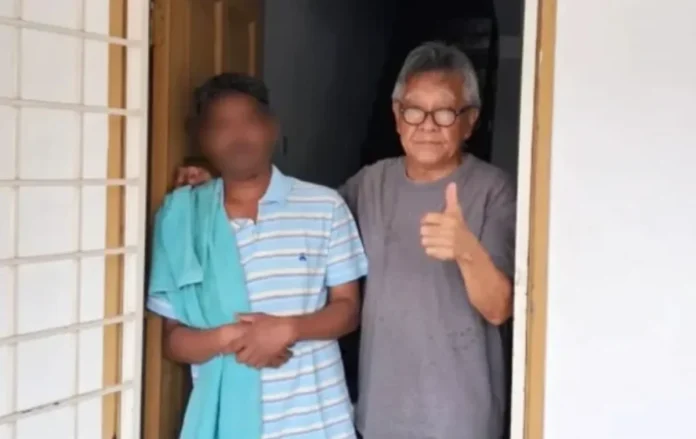
Yet, amid the cruelty, there was a countercurrent of hope. The intervention of community member Uncle Tony Lian, who offered the victim shelter and sanctuary, demonstrated the timeless truth that one act of empathy can restore balance where injustice seems overwhelming.
Some discussions online attempted to dissect the incident through a racial frame because the individuals involved belonged to different ethnic groups. This response, while unsurprising given Malaysia’s longstanding sensitivities, distracts from the deeper lesson. It should be looked at in a societal mirror not with a racial lens.
The real value of this episode lies in recognising that four human beings were involved: one victim, two aggressors and one individual who embodied moral courage.
This reminds us that “the earth is but one country and mankind its citizens”. When we view events through this lens of unity, race becomes irrelevant. What matters is the condition of our shared humanity and how we choose to respond to it.
The moral analysis and what went wrong? There are several unsettling elements that emerged from this incident:
The aggressors’ actions show a troubling detachment from compassion. When a sleeping, helpless man becomes an object of annoyance rather than a soul deserving dignity, society has drifted from its moral anchor or erosion of empathy.
Malaysians often describe themselves as religious but the measure of religion is not ritual; it is conduct. It emphasises that “godly deeds” are the true expressions of faith. The Cheras incident invites reflection on whether our moral principles influence our actions or merely decorate our speech; a performative morality.
There was a bystander culture, anyone who witnessed the event was filming, not intervening. Technology has given us the illusion that recording injustice is sufficient but moral progress requires more than observation; it requires engagement.
This is an institutional responsibility – the bank acted promptly by issuing an apology. Yet, institutions must go beyond public-relations responses. They must foster cultures grounded in dignity, compassion and ethical responsibility.
There must be inspired reflection from reaction to transformation. Every crisis holds the seed of progress. What happened in Cheras, painful as it is, offers Malaysia a moment of collective moral introspection: Let deeds, not words, be your adorning.
The moral path requires transforming indignation into action – cultivating empathy, strengthening community bonds and recognising the inherent nobility of every soul, including the homeless, the forgotten and the voiceless.
This incident should spark not only outrage but renewed commitment. If one man could be mistreated so casually, then every Malaysian has a duty to ensure such behaviour does not become normalised.
Real moral transformation begins with simple, consistent actions, which is the way forward:
We should treat every person, regardless of status, as a human being and with dignity.
Encourage institutions to prioritise ethical training and humane approaches to public interactions.
Build community-based support systems for the homeless and vulnerable.
Teach empathy not merely as theory but also as a value.
Malaysians must recognise that unity, not division, is the foundation of a just society.
The Cheras incident is a real-time lesson that morality is not tested in ceremonies, sermons or slogans but in moments when the vulnerable cross our paths. If we learn nothing, the incident will become a tragedy. But if we choose to grow, it will become a turning point.
Comments: letters@thesundaily.com



