





Visually-impaired individuals share inspiring stories, interests
Table of Contents
THE final moments of World Braille Day at the Malaysian Association for the Blind (MAB) belonged to 13-year-old pianist Natalia Lee Jia En.
As the ceremony drew to a close, Lee took her place at the piano and played Golden from KPop Demon Hunters, followed by the familiar theme from Studio Ghibli’s Kiki’s Delivery Service. The short, confident performance closed the morning on a personal note.
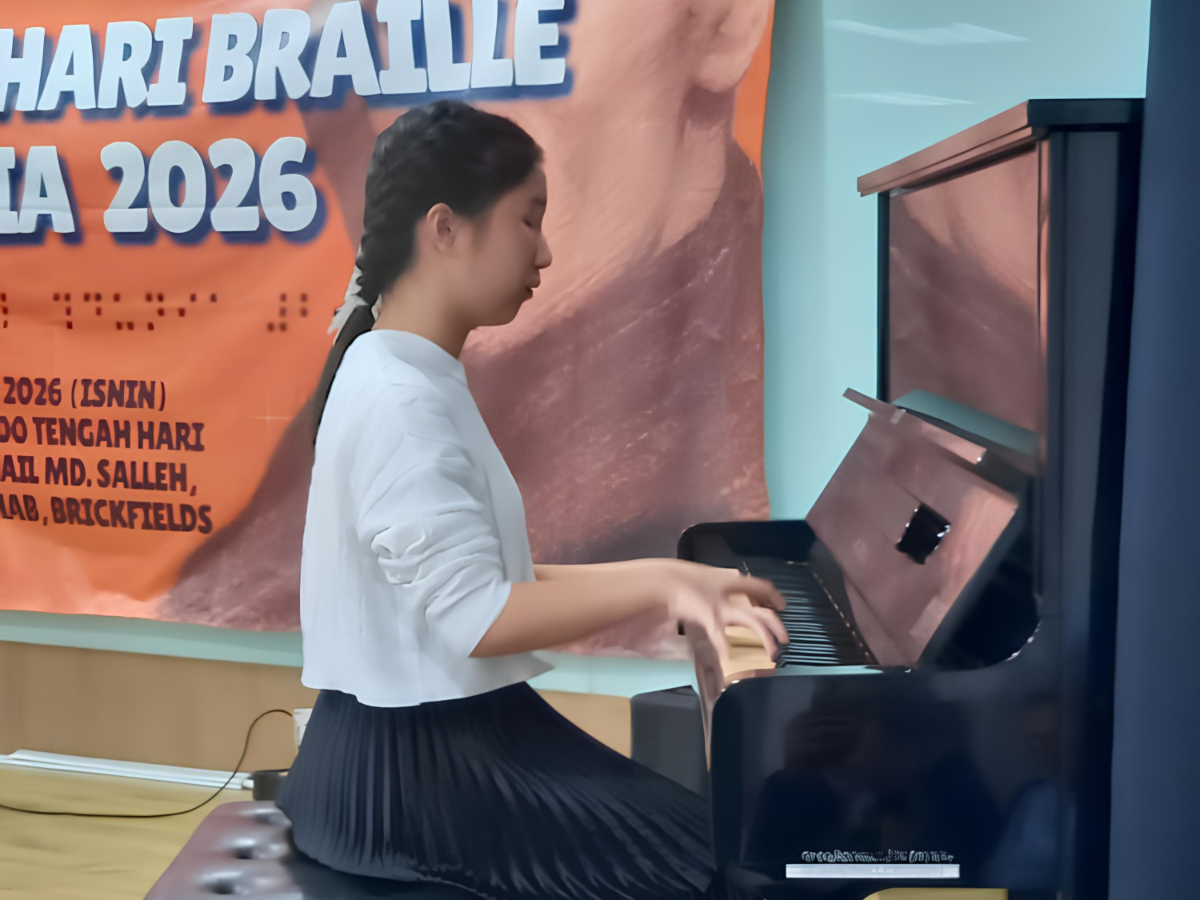
Lee, who has been playing the piano since she was three, began through encouragement from her parents before music became her own interest.
World Braille Day at MAB focused on how braille fits into everyday life. Observed every January, the day recognises braille as a tool of access, dignity and independence for people who are blind or visually impaired. At the MAB complex in Brickfields, the emphasis remained on people rather than ceremony, with the programme shaped by lived experience instead of formality.
“I like pop more because classical is confusing and hard,” she said.
Finding confidence through music
According to her mother Casey How Siew Teng, the early years were not without challenges. Teaching music to a blind child, she said, came without a handbook.
“Unlike sighted beginners, there is no set way to teach a blind person the piano. We were fortunate that her first piano teacher, who is still teaching her today, was willing to adapt her methods to guide Natalia,” How told theSun.
“Over the years, Lee has continued to develop under the same teacher and has also trained with a masterclass instructor to refine her technique and stage presence.
She learns through a mix of teachers and YouTube videos, relying heavily on listening and repetition. Although she has been introduced to music braille, it is not something she uses comfortably yet. For now, sound leads her fingers.
Lee plays in her school band and said many of her classmates can play instruments too. Music, in her life, is part of the routine rather than something exceptional. Her mother said the impact goes beyond the piano.
“She has gained more confidence, especially when it comes to tackling bigger challenges in life,” Casey said.
“Her experience has also helped develop her leadership skills in school.”
Lee did not rush to define her future when asked.
“I’m not sure. Maybe music. I’ll see first.”
That space to explore without pressure is exactly what access and inclusion are meant to allow.
Throughout the morning, another familiar presence held the programme together.
Steady voice on stage
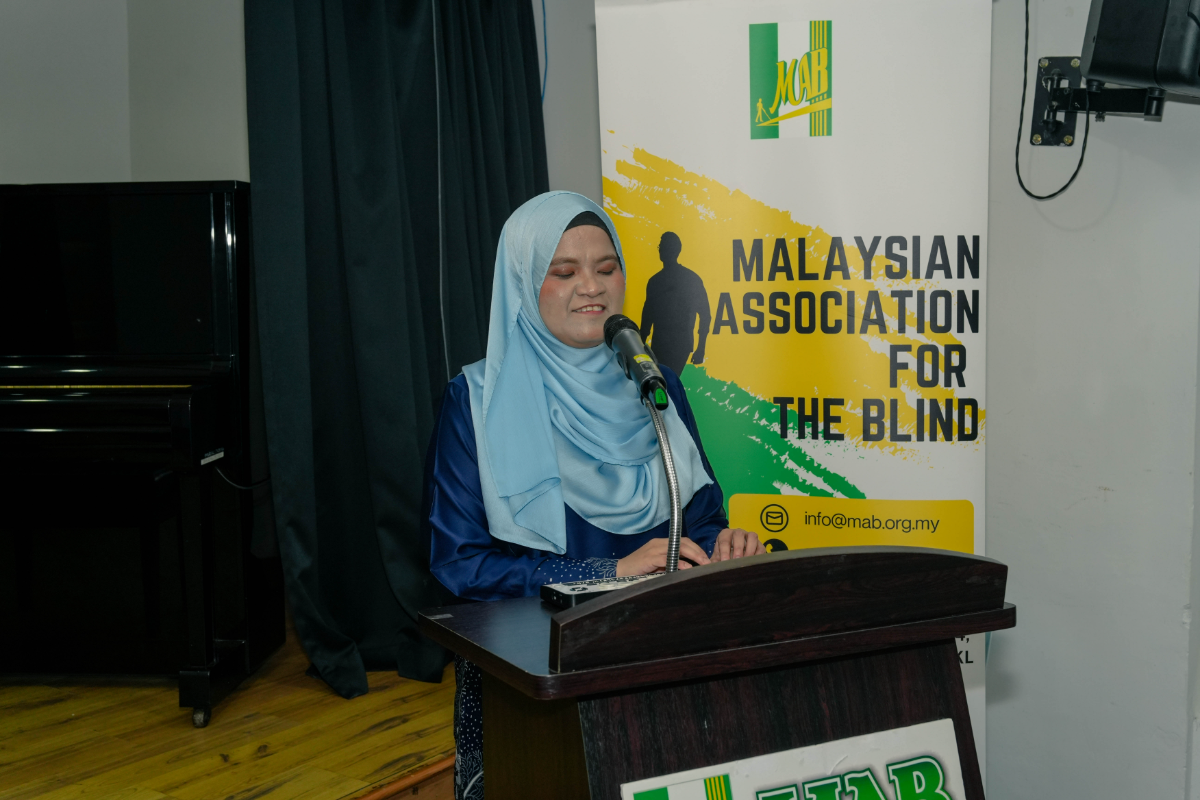
Nur Izati Meor Samsudin, 37, served as the master of ceremonies, guiding the event with steady pacing and assurance. Born with visual impairment and able to see only light, Izati has worked as a braille editor at MAB for seven years, producing textbooks and learning materials for students with visual impairments.
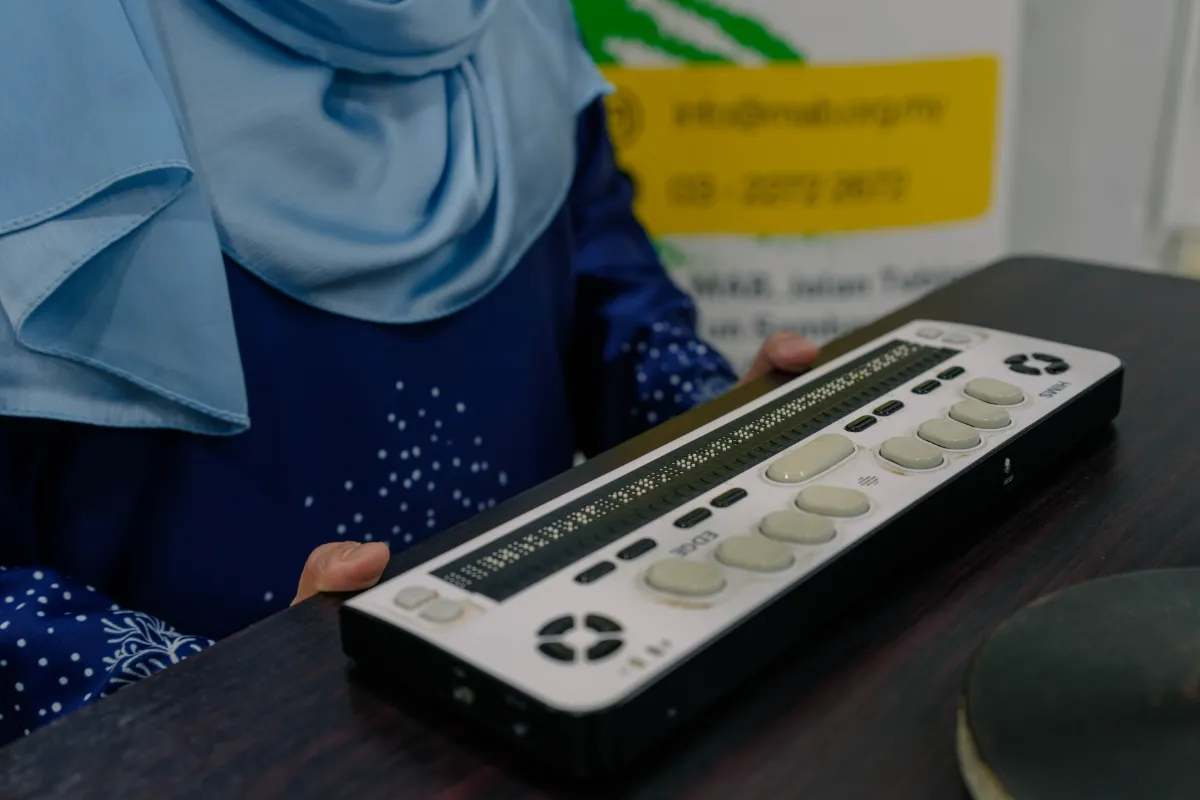
“I can convert documents from the computer and put them into this,” she said, referring to her braille display device, which allows her to read text line by line through touch.
The device, which cost RM12,000 and took years to pay off, is also what she uses to prepare her emceeing scripts. Before that, hosting meant memorising content and relying heavily on assistants, particularly when changes were made at the last minute.
“Don’t trust your brain alone. You need a script,” she said, recalling advice she received during professional training.
Izati discovered her interest in hosting while studying at Universiti Malaya. Physical roles in student activities felt limiting, but communication gave her room to contribute.
“If I want to be an usher, I myself am being ushered. So I sharpened my communication skills,” she said.
Today, she balances her role on stage with behind-the-scenes work that ensures blind students have access to books and learning materials.
For Izati, braille is not symbolic. It is practical, functional and part of daily working life.
From welfare to development
That view is shared by Datuk George Thomas, who has spent more than three decades at MAB.
“I came to help, but now I’m already here more than 30 years,” said the MAB CEO.
Founded in 1951, MAB began as a welfare organisation before evolving into a developmental institution focused on skills training, education and integration.
It now runs residential training centres, ICT and youth programmes and entrepreneurship initiatives. About 40% of its full-time staff are blind themselves.
The biggest change George has witnessed is access to education.
“With technology in the past 10 to 15 years, access to education has really exploded,” he said, pointing to blind students pursuing diplomas, degrees and doctorates.
Progress, however, remains uneven. Many websites, digital payment systems and online forms are still inaccessible.
“Information is not accessible in all formats,” he said.
For George, success is not measured by attendance figures or the number of programmes launched.
“Our main objective is to integrate the blind into the mainstream population,” he said.
Beyond the launch
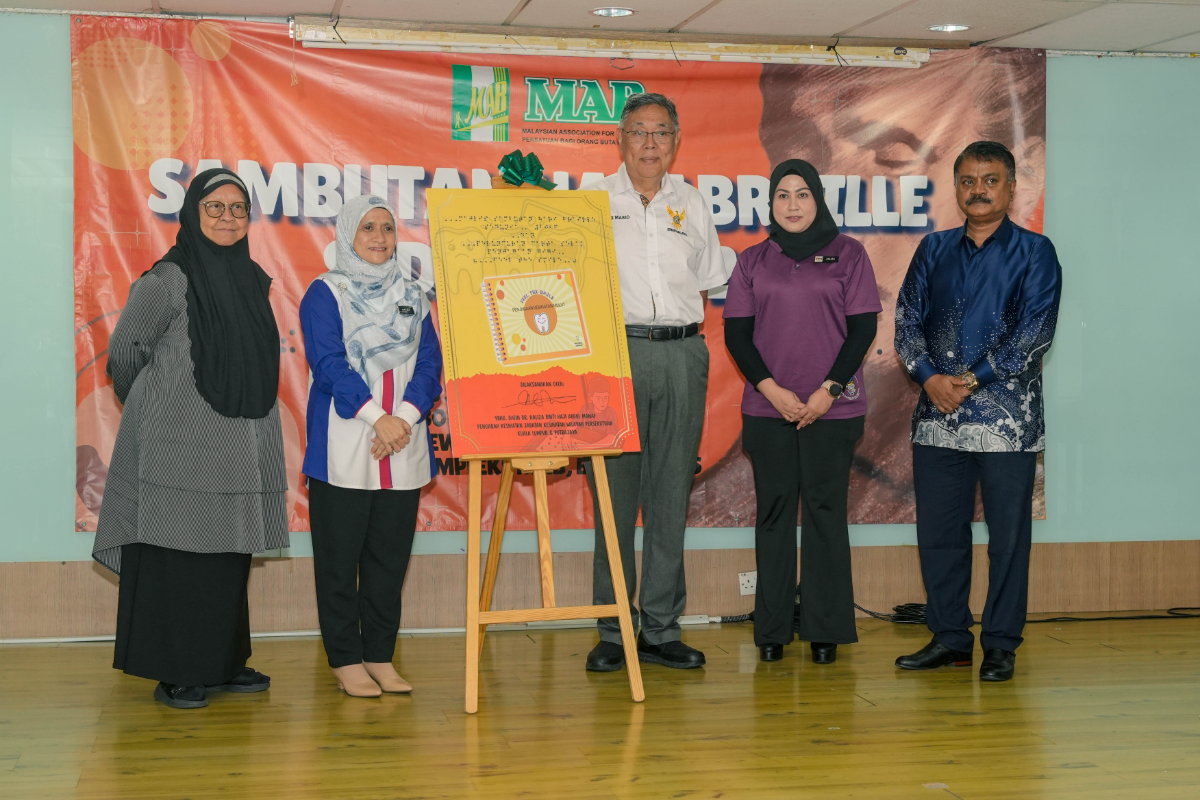
This year’s World Braille Day at MAB also included the launch of a tactile learning centre for blind children, a braille flip chart on oral health and free dental check-ups for the visually impaired community.
The initiatives mattered, but they were not the point.
The story was already there, in Lee’s closing performance, in Izati’s steady voice on stage and in decades of persistence behind the scenes. Braille, in that context, was not a concept or a slogan, but part of ordinary lives lived fully.
READ MORE:
House fires: common causes, prevention tips and what to do
Why succulents fit so easily into modern urban homes
Kodak Charmera review: charm over function



