




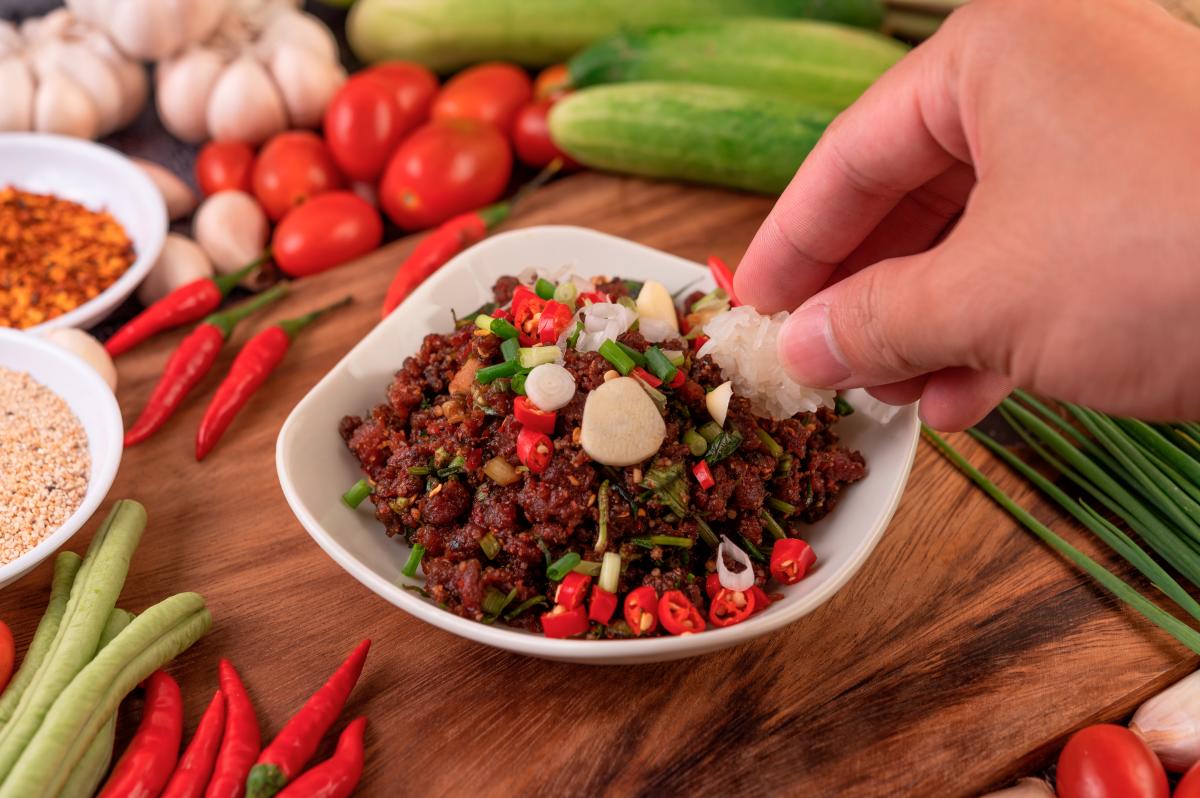
THERE is a certain thrill that comes with eating spicy food. That slow-building burn on your tongue. The way your eyes water just a little. The slight panic followed by the strange satisfaction of enduring the heat. We know some may shy away from the fire, but others actively chase it. Asking for extra chilli, hunting down the hottest sauces and turning up the heat on every dish. But what exactly makes spicy food so addictive, and why do so many cultures embrace it?
Natural high
At the heart of spicy food is capsaicin, the active compound found in chilli peppers. Capsaicin does not actually “burn” in a physical sense but instead, it tricks your brain into thinking you are experiencing heat. When you eat something spicy, your pain receptors send a signal to your brain that mimics the feeling of being burned.
In response, your body releases endorphins, the natural painkillers that also happen to make you feel good. This is why some people describe eating spicy food as a kind of rush because it literally makes you high on heat.
Beyond chillies, different types of spices also trigger other sensations such as piperine in black pepper that adds a sharp tingle, ginger delivers a warm burn and mustard hits you with a fast, nasal heat. All of these contribute to
the complex experience of “spiciness” in different cuisines.



