




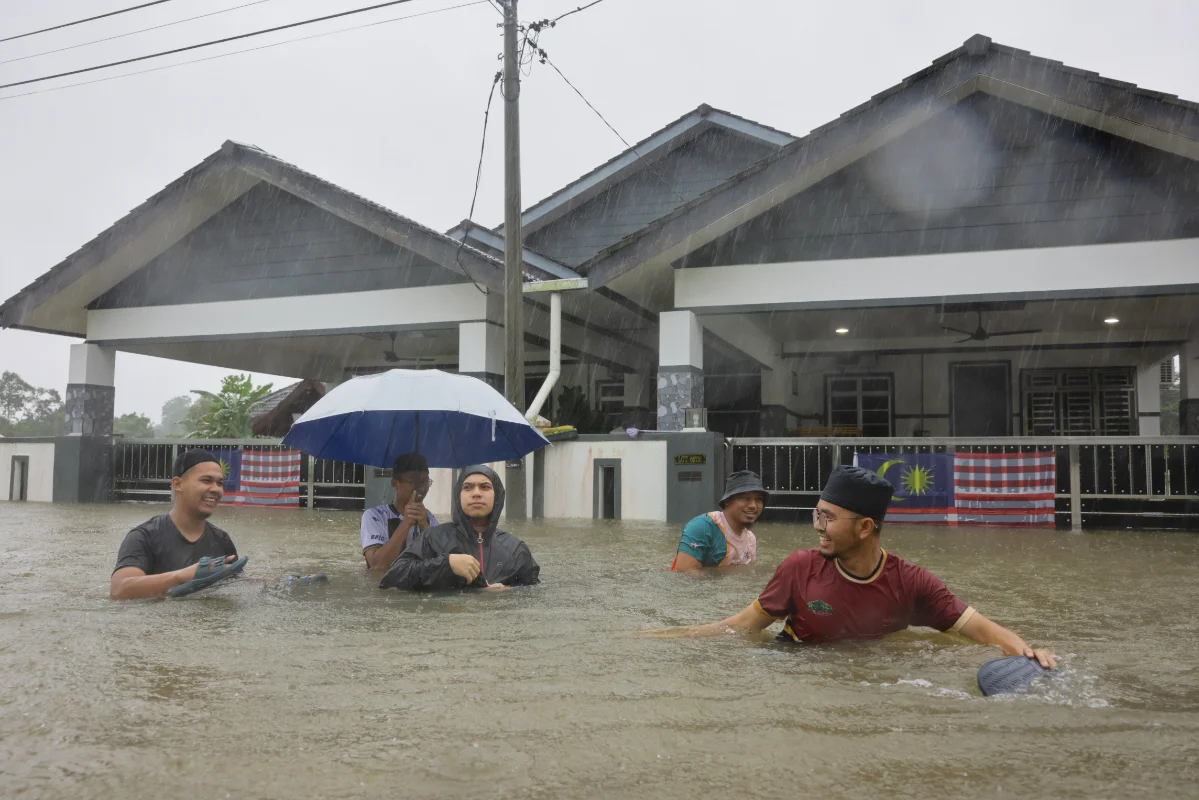
Protection gap exposes families to financial stress during disasters: BNM
PETALING JAYA: Flood insurance coverage remains alarmingly low among Malaysian households, even in high-risk areas, leaving families vulnerable to devastating financial losses, Bank Negara Malaysia (BNM) has warned.
The central bank said floods are the country’s most frequent and damaging natural disaster, accounting for about 85% of all disasters since 2000.
“Scientific projections indicate that both the frequency and severity of flooding are expected to rise with climate change, putting more households at risk of financial loss,” BNM said in comments made to theSun.
“During the major floods of 2021, roughly two-thirds of total losses, equivalent to about RM4 billion, were uninsured.
“The pattern mirrors trends in many emerging Asian economies, in which only a small proportion of natural disaster losses are typically covered, leaving families exposed to significant financial stress when disasters strike.”
While many Malaysians hold some form of home insurance or takaful, BNM emphasised that flood-specific coverage remains much lower and is far from universal, even in high-risk areas.
“Flood protection uptake remains modest, as coverage is usually offered as an optional add-on rather than a standard component, requiring homeowners to make an extra decision and pay additional premiums.
“Many policyholders assume standard home or fire insurance automatically covers floods and other natural disasters.
“In reality, flood coverage is commonly excluded unless specifically added, leaving households unintentionally underinsured despite believing they are adequately protected.”
The central bank also said affordability is another key barrier, adding that households with limited budgets must often weigh protection against more immediate financial priorities.
To improve access, it supports initiatives such as Perlindungan Tenang, with annual premiums of RM50 to RM75, and the Perlindungan Tenang Voucher, introduced in September 2025.
BNMsaid eligible recipients could use a RM30 voucher to purchase affordable insurance and takaful products, including flood coverage.
The bank also highlighted the Relief and Adaptation Facility programme, which provides households and businesses with rapid relief financing and long-term support such as flood-proofing and climate-resilient investments, to help withstand future climate risks.
“Rising climate risks could lead to higher premiums over time, potentially making protection less affordable and widening the existing protection gap.
“The financial sector plays a crucial role in supporting household resilience by improving access to suitable and affordable protection solutions, strengthening risk assessment and enhancing consumer understanding.”
The central bank is working with insurers, takaful operators, government agencies and partners through initiatives such as the Financial Education Network and the joint committee on climate change to boost financial literacy and provide detailed flood risk data.
“If you live in an area exposed to flooding, flood coverage should be treated as essential protection rather than an optional add-on.
“Start with what is affordable and build your protection over time. Insurance and takaful cannot remove risk, but they could help reduce financial shocks and support faster recovery when disasters occur.”



