




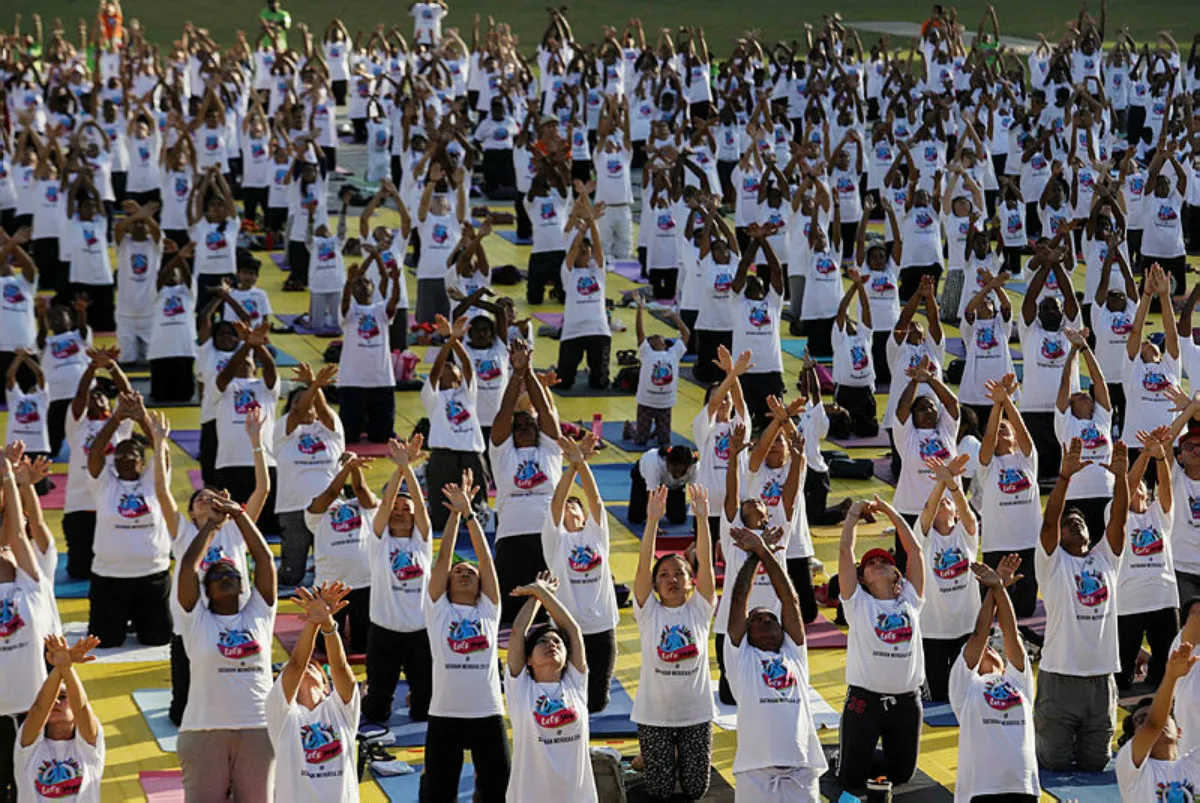
Physical fitness preserves independence and mental resilience, helping you face uncertainty with steadiness, not fear, through daily choices
THERE is a quiet truth many of us avoid thinking about until something forces our attention. Life is uncertain and support systems, no matter how strong, are not guarantees. Health changes and circumstances shift.
People who once carried us may no longer be able to. Yet, we often live as though our bodies and minds will simply hold up when needed, without intentional care. This is where mindset matters.
Mental strength is not something we summon during a crisis; it is shaped long before – through daily choices that seem ordinary at the time – choosing to move when the body feels stiff, choosing discipline over convenience and choosing responsibility over postponement.
These are not dramatic acts but they determine whether we meet uncertainty with steadiness or fear.
In Malaysia, lifestyle-related conditions such as diabetes, high blood pressure and obesity have become increasingly common. They are discussed often in medical terms but less frequently in psychological ones.
What we overlook is how physical decline quietly affects the mind – energy drops, confidence erodes and anxiety rises. Tasks that were once simple begin to feel overwhelming and dependence creeps in, not suddenly, but gradually.
Keeping the body fit is not about appearance or performance; it is about preserving independence.
A body that is maintained becomes a buffer against uncertainty. It allows us to cope better with stress, adapt more easily to change and remain engaged in life rather than retreating from it.
When the body is neglected, the mind often follows, becoming more reactive, more anxious and more fragile. The desire to remain independent is sometimes misunderstood.
Wanting to take care of oneself is not a rejection of family or community or denial of support; it is an expression of self-respect. Many people carry an unspoken wish not to become a burden, not out of shame but out of consideration. That wish is rooted in dignity.
Reframing our thoughts is essential. Instead of waiting for health scares to dictate action, we can ask a different question: What can I strengthen now so that I rely less on others later?
This shift moves us away from fear-based thinking and towards personal responsibility; it replaces helplessness.
Mental resilience is closely tied to physical resilience – movement regulates the nervous system, strength builds confidence and consistency creates trust in one’s own capacity.
When the body learns that it can endure and adapt, the mind becomes calmer and more grounded. Resilience stops being an abstract idea and becomes something felt and lived.
This does not mean denying vulnerability or pretending that illness and ageing do not exist; it means acknowledging that how we live today influences how we cope tomorrow.
Independence is not about doing everything alone; it is about maintaining the ability to choose, contribute and participate in life for as long as possible.
In a world filled with uncertainty, the body becomes an anchor. It grounds us when external structures feel unstable. It supports the mind when emotions fluctuate. It gives us the confidence to face changes without collapsing into fear.
Mind the Mind is ultimately about awareness – awareness that strength is not accidental; awareness that dependence is often built slowly through neglect, just as resilience is built slowly through care; and awareness that a sound body supports a sound mind and together they create stability in an unpredictable world.
We may not be able to control what lies ahead but we can prepare ourselves to meet it with steadiness. That preparation begins quietly, in daily habits, long before it is tested.
Dr Praveena Rajendra is the author of Mindprint: Engineering Inner Power for Growth, Purpose and Regeneration. Comments: [email protected]



