




Syndicates teach illegal immigrants Bahasa Melayu before smuggling them into Malaysia via Kelantan waters, using drones and sophisticated tactics to evade authorities.
PASIR PUTEH: A new reality in illegal immigration has emerged, with investigations by the Malaysian Maritime Enforcement Agency (MMEA) showing that immigrants brought in via Kelantan waters had learned Bahasa Melayu in their home country to facilitate movement in Malaysia.
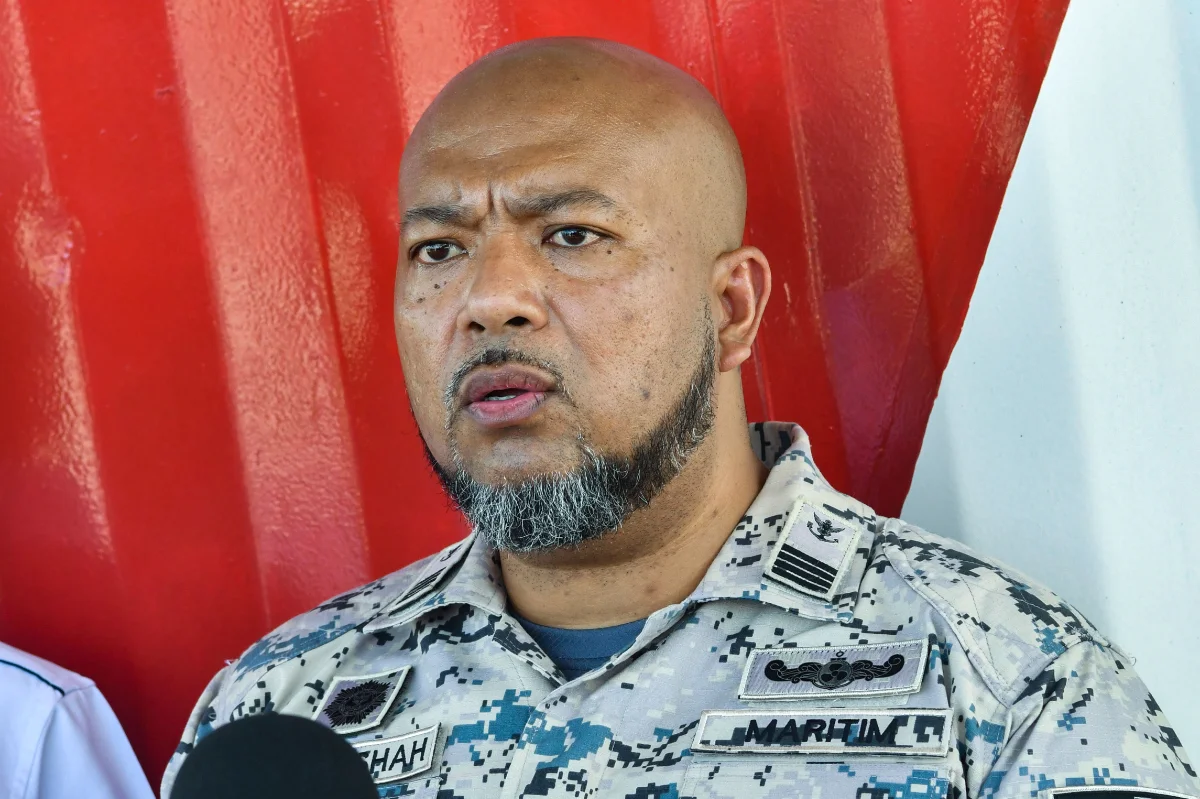
MMEA Kelantan director Captain Erwan Shah Soahdi said the findings indicate the presence of a well-organised syndicate operating across borders with increasingly sophisticated planning.
He said preliminary investigations show the entry of immigrants is not random but managed by syndicates that prepare them in advance.
“They have studied Malay in their home country (Myanmar), demonstrating careful preparation prior to entry,” he told Bernama.
Erwan Shah said most immigrants do not travel far upon arrival but enter small rivers, forested areas and remote locations before being picked up by land vehicles.
He noted that smuggling activities continue to evolve with technology.
“Smugglers’ modus operandi has become more sophisticated to evade authorities,” he said.
“We have detected smugglers using drones to monitor areas, mirroring the technology employed by enforcement agencies.”
Current smuggling tactics include the staged use of small boats, advance surveillance before landing and drone monitoring of enforcement movements.
Kelantan-Terengganu waters have been identified as key intrusion points based on MMEA seizure patterns.
He said most incursions occur near the border ends of the two states, allowing foreign boats to quickly retreat to controlled waters if detected.
“Records show foreign fishing boats usually operate around 120 to 130 nautical miles, staying close to the Kelantan-Terengganu border,” he added.
Erwan Shah said foreign fishing boats typically travel at about eight knots, while maritime assets can reach 15 to 18 knots, enabling interception if detected early.
He said most operations and seizures are carried out at night, when foreign vessel activity is higher.
No daytime arrests have been made so far, he added.
On action against detained foreign crew, MMEA said the individuals will be investigated and detained before being brought to court.
If ordered deported, they will be handed over to the Immigration Department for repatriation.



