




Subsidies and incentives could promote wholesome choices; policy support needed for low-income households, says dietitian
PETALING JAYA: Rising food prices are increasingly shaping what Malaysians eat, forcing many households to compromise on nutrition and raising concerns over worsening diet-related health problems, experts warn.
Affordability, rather than preference or knowledge, is now a key driver of food choices, pushing families towards cheaper, less nutritious options, said Malaysian Dietitians’ Association council member Rozanna M. Rosly.
She also said non-communicable diseases such as obesity, diabetes and hypertension are already highly prevalent, according to the National Health and Morbidity Survey 2023.
“Globally, evidence shows that many people cannot afford a healthy diet, particularly during periods of rising food prices.
“When financial pressure is combined with food environments dominated by cheap sugary drinks and ultra-processed foods, households are pushed towards dietary patterns that increase long-term health risks.”
She stressed that the issue is not one of poor personal choices, but structural problems within the food system, where unhealthy options are cheaper, more convenient and heavily promoted, while healthier alternatives remain less accessible.
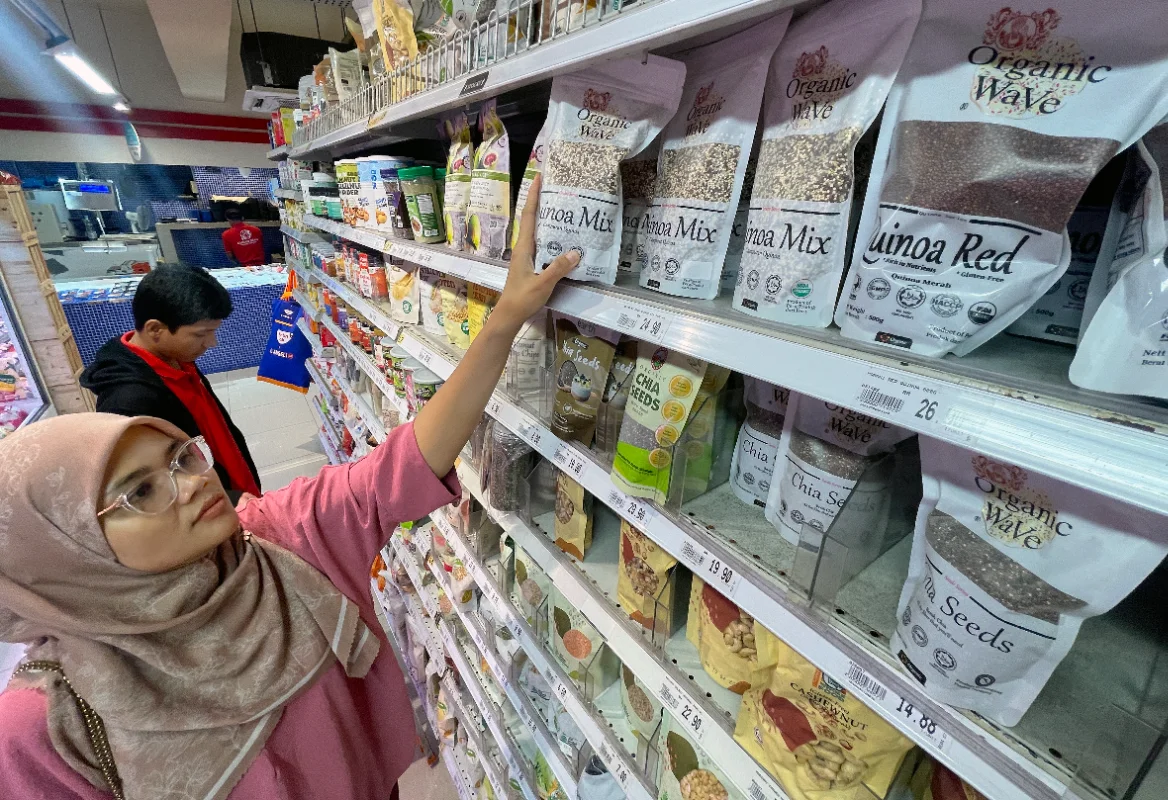
She said healthy and vegan foods, for example, are often perceived as expensive because they are marketed as premium products.
“Plant-based meat substitutes, dairy alternatives, organic produce and cafe-style vegan meals are frequently imported, branded or heavily processed, all of which drive up prices. Social media trends and supermarket displays further reinforce the perception that these foods are luxury items.
“In contrast, cheaper options are often ultra-processed, designed to be filling, convenient and long-lasting.”
She said refined carbohydrates, sugary drinks, instant noodles and fried snacks provide high calories at a low cost, making them appear more affordable.
“Global studies indicate that nutritious foods such as fruits, vegetables and fresh lean protein often cost more per calorie or serving than refined grains and sugary products, reinforcing the idea that healthy diets are expensive.”
Rozanna said healthy eating does not necessarily have to be costly.
“Diet costs tend to rise when people rely on imported or specialty products instead of everyday local staples.”
She noted that large international studies show diets centred on plant-based staples are often among the most affordable dietary patterns, particularly when compared with diets high in animal-source or highly processed foods.
In Malaysia, research among B40 adults shows that affordability is only part of the challenge.
“Time constraints, long working hours, limited cooking facilities and an environment dominated by cheap fast food and packaged snacks all make healthy eating more difficult – even when people know what constitutes a nutritious diet.”
She added that ultra-processed foods, which are cheap, widely available and heavily marketed, are typically high in sugar, salt and unhealthy fats, contributing to obesity, diabetes, cardiovascular disease and other long-term health problems.
Addressing these challenges, Rozanna said, requires action on both policy and public awareness.
“Subsidies, price reductions and other incentives to make healthy foods more affordable have been shown to increase purchases of fruits and vegetables, particularly among lower-income households. Coupled with education on budget-friendly healthy eating, such measures could help reduce the rising burden of diet-related problems in Malaysia.”



