




Experts say simple, plant-based meals and supportive policies make nutritious diets accessible for all, especially low-income households.
PETALING JAYA: Eating healthy in Malaysia does not have to be expensive or complicated but an expert says affordability requires both policy action and smart personal choices.
Malaysian Dietitians’ Association council member Rozanna M. Rosly said there are strategies that could lower the cost of nutritious diets and make them more accessible, particularly for low-income households.
“Evidence shows that policies which directly reduce the price of healthy foods are highly effective.”
Price reductions, subsidies and financial incentives for fruits and vegetables consistently boost both purchasing and consumption, especially among lower-income groups, she added.
Rozanna said fiscal measures such as taxes on sugar-sweetened beverages can also help.
“Malaysia’s evaluation of its sugar-sweetened beverage tax shows that such policies can reduce consumption of unhealthy drinks while generating revenue for public health programmes.
“When combined with broader nutrition strategies, fiscal policies can support healthier choices.”
Other key measures include clear front-of-pack nutrition labelling.
She said studies from Southeast Asia and Europe indicate that mandatory labels help consumers identify healthier options and can improve population-level diet quality over time.
“Improving nutrition standards in schools, hospitals and public institutions, as well as strengthening local food supply chains to reduce food loss and costs, are additional proven strategies.
“Research shows that combining these approaches is far more effective than relying on any single policy.”
Rozanna emphasised that healthy meals do not require expensive vegan products or imported niche items.
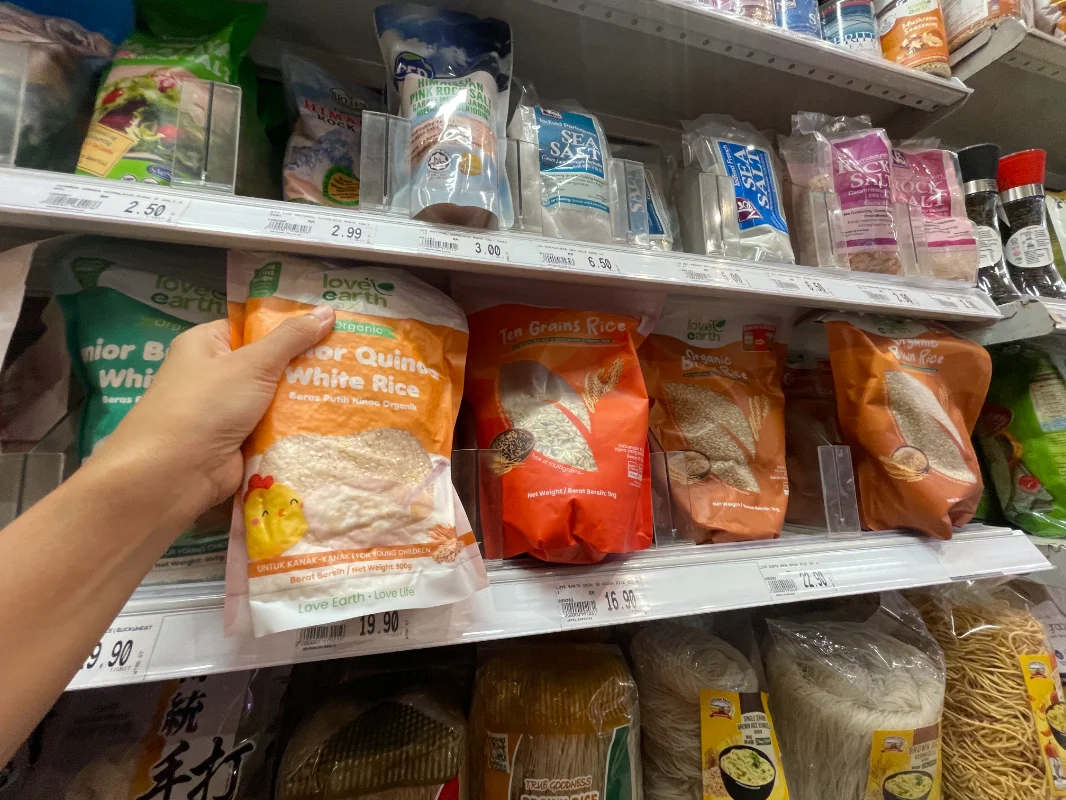
“Simple meals based on rice or noodles, vegetables, beans, tofu, eggs, seeds and seasonal fruit can be nutritious, filling, and affordable.”
Even small changes, such as reducing sugary drinks or adding more vegetables and fruits to daily meals, can have a long-term impact on health.
She offered practical guidance for low-cost healthy eating in Malaysia:
- Focus on grains, legumes, tofu/tempeh, eggs, vegetables and seasonal fruit, which are among the most affordable nutritious foods.
- Limit ultra-processed foods, which are linked to obesity and other non-communicable diseases.
- Use plant proteins frequently, with small amounts of animal protein when affordable.
- Affordable snack ideas include seasonal fruit such as bananas, papaya, or watermelon; boiled corn or sweet potato and a small handful of peanuts or groundnuts.
- Foods to avoid include sugary drinks, packaged cakes and ultra-processed snacks, which may be cheap short-term but harm long-term health.
Rozanna said staples such as dhal, lentils, tofu, tempeh and eggs generally cost less per serving than meat or processed foods while leafy greens and local vegetables from wet markets are cheaper than imported produce.
International examples highlight how plant-based diets can be both affordable and culturally normalised, she said, adding that Brazil’s national dietary guidelines, for instance, encourage meals based on unprocessed or minimally processed plant foods rather than specialty vegan products.
“Studies show that diets aligned with these guidelines have better nutrient profiles, lower ultra-processed food intake and increased access to plant-based meals for children through school programmes.”
In the United Kingdom, she added that public institutions such as schools, hospitals and universities have introduced plant-based or vegan meals as default options.
“Trials showed higher uptake of plant-based meals without reducing satisfaction, while cost analyses indicated lower ingredient costs compared with meat-based meals.”
Rozanna said mormalising plant-based meals as the default rather than an “alternative” reduces both stigma and cost barriers.
She stressed that plant-based or mostly vegetarian diets succeed when they rely on affordable whole staples, are culturally normalised and supported by public policy and local supply chains.
“The main barrier is not feasibility, but perception and the food environment.
“Policies that normalise plant-based meals in schools, hospitals and workplaces, while supporting local supply chains, could make vegan eating both affordable and accessible.”



