



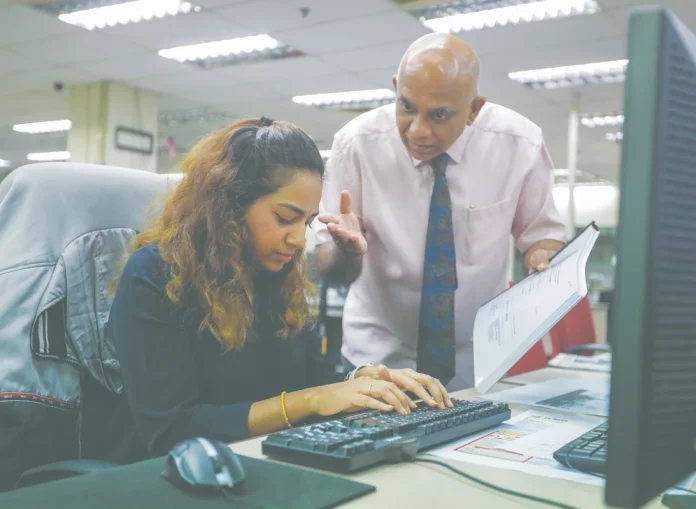
Nearly six in 10 Malaysians have either witnessed or personally experienced bullying, with the workplace ranking as the second most common site for such abuse.
THE passing of a doctor in August 2024 sent shockwaves through the Malaysian medical fraternity, forcing a long-suppressed conversation about workplace bullying out of hushed pantry whispers into the realm of a national emergency.
Once dismissed as a “rite of passage” for juniors or a necessary by-product of high-pressure industries, workplace bullying is now recognised as a systemic failure with devastating clinical and legal consequences.
According to a 2025 Ipsos survey, nearly six in 10 Malaysians have either witnessed or personally experienced bullying, with the workplace ranking as the second most common site for such abuse.
This is no longer just a “human resources issue”; it is a productivity drain that cost the Malaysian economy an estimated RM14.46 billion (or 1% of GDP) in 2018 alone, a figure experts believe has surged in the post-pandemic landscape.
The most significant shift in the Malaysian landscape occurred on July 11, 2025, when amendments to the Penal Code (Sections 507B to 507G) officially came into effect.
For the first time, bullying and psychological harassment are no longer just grounds for internal disciplinary action; they are criminal offences. Under Section 507B, any conduct intended to cause harassment, distress or alarm can lead to up to three years of imprisonment.
More critically, Section 507D (2) now carries a penalty of up to 10 years for harassment that leads to a suicide attempt.
These legislative teeth, coupled with the Employment Act 1955 – which allows victims to claim constructive dismissal if an employer fails to act – have stripped away the legal immunity long enjoyed by toxic “star performers” and autocratic managers who hid behind their seniority.
The persistence of bullying in Malaysia is often tied to the “high power distance” cultural trait, where questioning authority is viewed as a breach of social harmony.
This creates a fertile environment for “downward bullying”, where superiors exploit the “bodek” (sycophancy) culture to isolate dissenters.
A multicentre study published in the Malaysian Journal of Medical Sciences revealed that 41% of housemen and 25% of medical officers in public hospitals reported experiencing bullying, most commonly in the form of “work-related bullying”, such as being assigned tasks below their level of competence or being subjected to public humiliation during ward rounds.
This behaviour is often rooted in a cycle of trauma, with many perpetrators having themselves been subjected to a so-called “tough love” mentorship style and mistakenly believing that witnessing suffering “builds character”. However, evidence shows the opposite: bullying erodes work motivation and increases cognitive load, leading to a higher risk of medical and administrative errors.
The physical and mental toll on Malaysian employees is a growing public health concern. The 2019 National Health and Morbidity Survey highlighted that one in three Malaysians struggle with mental health, yet only 20% seek professional help due to persistent social stigma.
Workplace bullying acts as a catalyst for this crisis, often manifesting in complex post-traumatic stress disorder and chronic physical ailments. Victims frequently report severe anxiety attacks, depression and “psychosocial hazards” that the Occupational Safety and Health Department officially classified as workplace risks in its 2024 Guidelines on Psychosocial Risk Assessment.
These guidelines now mandate that employers screen for “toxic leadership” and “social exclusion” just as rigorously as they screen for physical machinery hazards, recognising that psychological trauma is as debilitating as a physical injury. From a corporate governance perspective, the cost of a “bully-friendly” culture is staggering. Beyond the direct RM14 billion hits to the GDP, Malaysian companies are facing a growing “hidden resignation” crisis.
High turnover rates in sectors like healthcare and finance are often linked to toxic environments, where replacing a single skilled professional can cost the company up to 200% of that employee’s annual salary in recruitment and lost expertise.
Furthermore, “presenteeism”, where employees show up but are too mentally exhausted or fearful to be productive, costs Malaysian businesses approximately RM9.84 billion annually.
In an era where ESG (environmental, social and governance) scores influence investor trust and talent attraction, a single viral social media post about a toxic work culture can permanently tarnish a brand’s reputation and lead to catastrophic legal liabilities.
Eradicating this silent menace requires a fundamental shift from passive compliance to proactive protection.
The Health Ministry set a precedent in 2025 by being the first ministry to release dedicated Workplace Bullying Guidelines, which mandated that department heads protect victims from “retaliatory transfers”. Organisations must now implement “upstander” training, empowering bystanders to disrupt bullying behaviour without fear of repercussion.
Furthermore, the establishment of independent, third-party reporting channels, like the MyHELP channel, is essential to bypass internal HR biases.
As Malaysia moves towards a more inclusive and technologically advanced economy, the message is clear: the era of the “untouchable bully” is over.
Protecting the mental safety of the workforce is no longer a moral luxury but a prerequisite for national progress.
Dr Muhammad Ammirrul Atiqi Mohd Zainuri is a senior lecturer at the Faculty of Engineering and Built Environment, Universiti Kebangsaan Malaysia. Comments: letters@thesundaily.com



