




Employers say current law does not support a mandatory WFH order to ease traffic, requiring major legislative change for any blanket policy
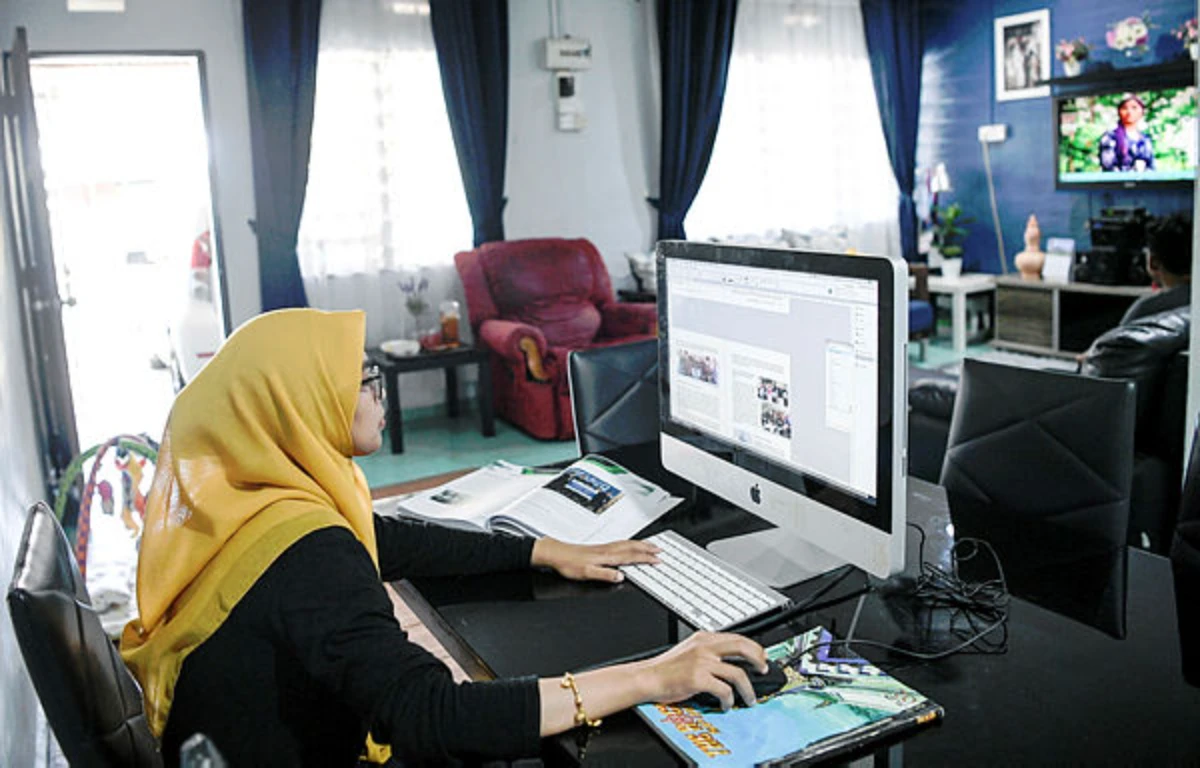
KUALA LUMPUR: Calls to mandate work-from-home (WFH) to ease worsening traffic congestion have surfaced, but employers say the law does not support a blanket order and any such move would require major legislative change.
The Malaysian Industrial Commercial Service Employers Association (MICSEA) said the current legal framework under the Employment Act 1955 allows employees to apply for flexible working arrangements, including WFH, but stops short of granting an automatic right.
MICSEA president Y.K. Lai said the flexible working arrangement provisions introduced under Sections 60P and 60Q of the Act provide a structured process, not a mandate.
“Under Section 60P, an employee may apply to vary hours, days or place of work, including working from home, whether fully remote or hybrid,” he said in a statement yesterday.
“However, this does not create an automatic entitlement. It is subject to the terms of the contract of service.”
Lai said employers are required under Section 60Q to respond in writing within 60 days, either approving or rejecting the request, with reasons given if it is refused.
He was responding to calls for WFH following a social media post highlighted by theSun, in which a former HR professional urged companies to normalise the arrangement, claiming return-to-office plans had worsened traffic congestion and overcrowded public transport.
In a Threads post, the former HR professional said companies planning to bring employees back to the office from 2026 should reconsider.
“Just look at the traffic lately. Public transport is packed too,” the post read, urging firms to adopt WFH or at least hybrid arrangements while citing employee morale and flexibility.
Lai noted the Act does not spell out what constitutes acceptable grounds for rejecting a WFH application but operational needs, contractual terms and the nature of the work are clearly relevant.
“Where a collective agreement exists, any application must also be consistent with what has been negotiated,” he added.
“In short, the law establishes a structured application process, not a statutory right to work from home.”
He also pointed out mandating WFH across all industries would require substantive amendments to existing legislation or the introduction of new laws, a process involving policy development and stakeholder consultation by the Human Resources Ministry, drafting by the Attorney-General’s Chambers, debates and approval in both Houses of Parliament and royal assent before coming into force.
“This is a structured constitutional process that requires careful deliberation, especially where economic, operational and contractual implications are significant,” Lai said.
He stressed that while MICSEA recognises traffic congestion as a real and pressing issue, a blanket WFH mandate would not be practical across all sectors.
“Malaysia’s workforce spans manufacturing, logistics, retail, healthcare, hospitality and services. Many roles require physical presence for operational, safety or customer-facing reasons,” he said.
Lai described the existing framework as a balanced approach.
“Employees have the right to apply. Employers have the duty to respond. Operational realities remain a legitimate consideration.
“Industrial harmony is best achieved through flexibility, consultation and sector-specific solutions, not compulsion.”



