




PETALING JAYA: Malaysia’s deepening economic engagement with Russia could support trade diversification, strengthen energy and technology cooperation and reduce reliance on the US dollar as both countries explore using local currencies and broaden strategic partnerships, economists say.
A key proposal under discussion is the use of the ringgit and the ruble in bilateral trade, which economists say reflects a broader global shift towards dedollarisation.
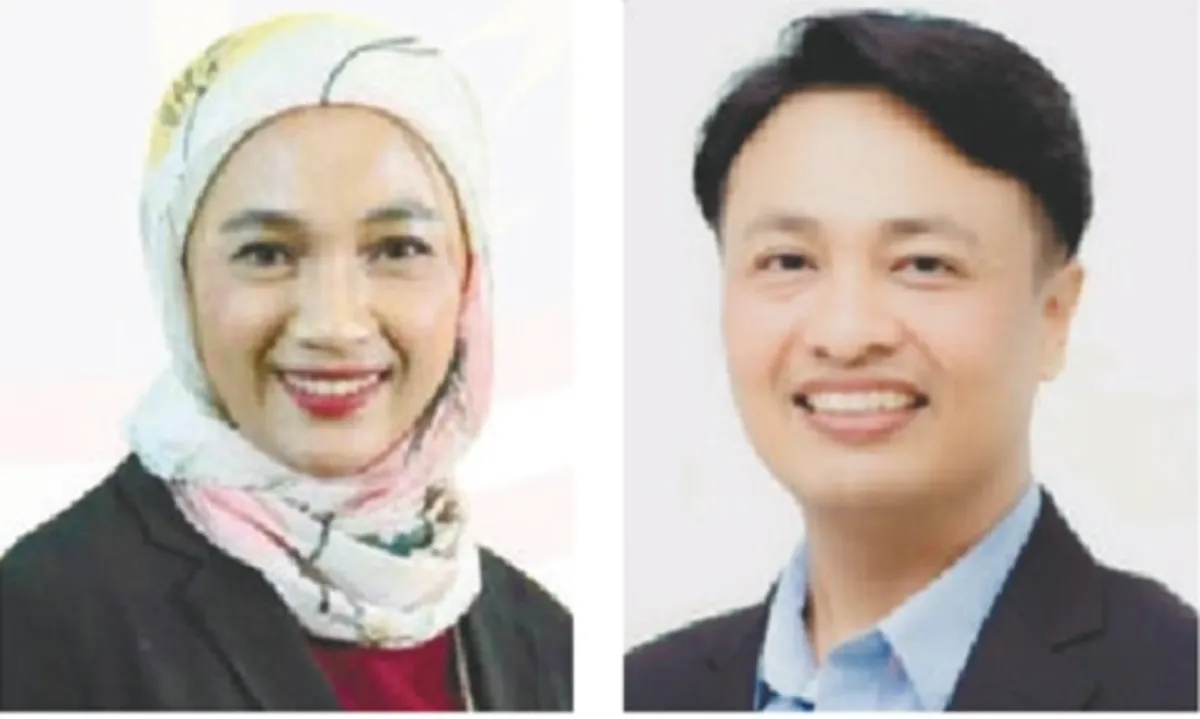
Putra Business School associate professor Dr Ida Md Yasin said trading in local currencies could reduce exposure to exchange rate fluctuations and improve trade efficiency between the two countries.
“Traditionally, international transactions have been conducted using the US dollar. However, the world is changing, and we are seeing a move towards dedollarisation,” she told SunBiz.
“This is a practical example of that shift. Malaysia is trading with Russia, not the United States, so there is no reason why both countries cannot use their own currencies for transactions.”
Ida said the initiative aligns with broader discussions within BRICS, of which Russia is a member, and that Malaysia has expressed interest in engaging with it.
She noted that although Russia is not among Malaysia’s top trading partners, its large resource base and population present opportunities for deeper economic cooperation. “This could improve bilateral trade flows and create new opportunities for both countries. It is a win-win situation.”
Beyond energy, Ida said agriculture, pharmaceuticals and digital technologies are key areas for potential growth in bilateral ties.
Malaysia could expand agricultural imports from Russia while increasing exports such as palm oil, she said, noting there is still room to grow existing trade. “We already export palm oil to Russia, but there is room for expansion. At the same time, cooperation in pharmaceuticals and digital technologies would help diversify Malaysia’s economic partnerships.”
Ida said deeper engagement with Russia supports Malaysia’s strategy to diversify export markets and investment sources amid global uncertainty. “We want more options in trade. In an uncertain global environment, it is important not to depend on only one or two markets.”
She pointed to tourism as an underdeveloped area, noting relatively low numbers of Russian arrivals in Malaysia compared with Thailand and Vietnam.
“Many Russians travel to neighbouring countries, but fewer come to Malaysia. This is a market we should focus on,” she said.
Last week, the Prime Minister’s Office (PMO), in a statement, said Malaysia and the Russian Federation are exploring strategic areas of cooperation, including efforts to strengthen long-term energy and oil supply security, following talks between Prime Minister Datuk Seri Anwar Ibrahim and Russian President Vladimir Putin.
Both leaders discussed various aspects of bilateral ties, with the energy sector identified as a strategic area of mutual interest.
“Both sides also explored opportunities to expand economic cooperation and welcomed Russia’s commitment to long-term collaboration in energy and oil supply,“ it said.
The discussions further covered potential cooperation in emerging technologies, cybersecurity, digital development, artificial intelligence (AI), modern agriculture and the pharmaceutical industry.
The PMO also said Malaysia and Russia exchanged views on facilitating people-to-people movement through visa liberalisation initiatives and explored mechanisms to expand bilateral trade and investment using local currencies, namely the ringgit and the ruble.
Universiti Teknologi Mara senior lecturer in economics Dr Mohamad Idham Md Razak said cooperation in AI, cybersecurity and digital development is highly strategic for Malaysia’s long-term economic goals.
“As Malaysia seeks to move up the economic value chain, these sectors are key enablers of a high-income, innovation-driven economy,” he said, adding that progress in these areas could boost productivity, strengthen advanced manufacturing and expand digital services.
“Strengthening capabilities in AI, cybersecurity and digital technologies will help Malaysia transition from cost-based competitiveness to technology- and knowledge-based growth, which is essential for long-term resilience and global positioning,” Idham said.
He welcomed the visa liberalisation talks between Malaysia and Russia, saying easier travel could strengthen people-to-people ties and unlock economic opportunities.
“Visa liberalisation can boost tourism, encourage more business exchanges and lower barriers for investors.”
Stronger connectivity, he added, could support trade diversification, joint ventures and cross-border investment in energy, education and digital services.
Looking ahead, Idham said the impact of Malaysia-Russia cooperation would depend on whether discussions translate into concrete outcomes. “If these discussions lead to projects, Malaysia could see high-quality investments, technology transfer and stronger energy security over the next five to 10 years.”
He added that deeper integration into global value chains, the creation of high-skilled jobs, and diversified energy partnerships would strengthen Malaysia’s resilience against external economic shocks.
“Ultimately, success will be measured not only by increased trade but also by Malaysia’s ability to build domestic capabilities and move into higher-value economic activities,” Idham said.



