




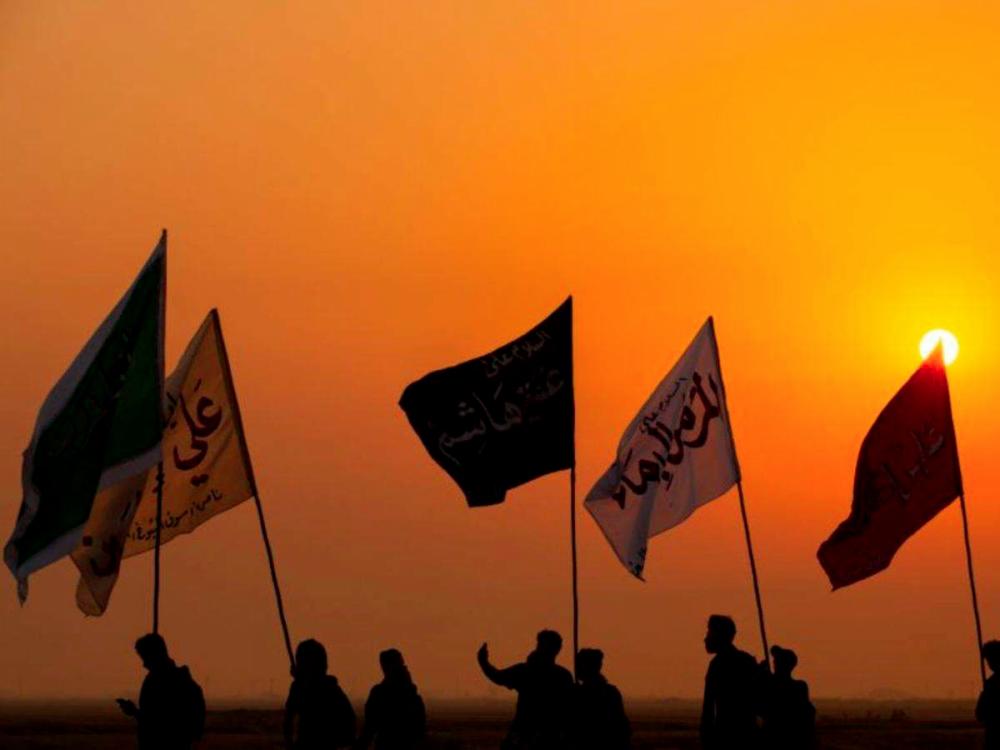
KARBALA: For millennia, Iraqis have turned to religion as they grieve their dead. This year, a pandemic and the killings of hundreds of young protestors have lent greater sorrow to the Shiite mourning ceremonies of Ashura.
âIraq has been through so much misery â from war to torture to imprisonment to forced emigration and now the coronavirus pandemic,â said sheikh Hassan Dhakeri, a cleric in Iraqâs shrine city of Karbala.
Iraqâs majority Shiite Muslims are marking a month of mourning for Hussein, the Prophet Mohammedâs grandson, killed by followers of Caliph Yazid in the seventh century â the seminal moment in Islamâs Sunni-Shiite schism.
Since then the country has been through relentless cycles of sadness. Many turn to religion for solace, Dhakeri said.
Every year, thousands of Shiite Muslims mark Ashura with a pilgrimage to Imam Husseinâs resting place inside a glittering shrine in the holy city of Karbala.
Visitors are often so moved by the story of his death that they sob uncontrollably at the mausoleumâs golden gates.
âWhen we make this pilgrimage, and weâre carrying all our worries and tragedies and needs, we begin to cry,â Dhakeri said.
âThat is the first step to having our prayers answered.â
âWe havenât known joyâ
In the last century alone, Iraq underwent several bloody changes of power that culminated in the rule of Saddam Hussein.
Iraqis lived through war with Iran in the 1980s, crippling international sanctions in the 1990s and the US-led invasion of 2003, which brought sectarian infighting and the fight against the Islamic State group.
Hundreds of thousands of Iraqis fled their homeland and those who stayed endured violence and the destruction of critical infrastructure, healthcare and access to education.
âIraq is a sad country. From Saddamâs time until now, we havenât known joy,â said Mohammad Karbalai, a 31-year-old religious chanter from Karbala.
Every year, he performs poetic eulogies or emotional retellings of Husseinâs death, a story Shiites see as representing the ultimate injustice, but also triumph over death.
âPeople feel that there is injustice but there is also good â and that in the end, all throughout history, good always wins,â Karbalai told AFP.
Itâs a powerful message for Iraqi youth marking their first Ashura since nearly 600 people were killed in anti-government protests that erupted last October.
This year, Ashura mourners have combined their religious rites with demands for justice, their eyes flashing with pain as they lift framed portraits of slain friends and relatives.
âImam Hussein is the treatment for these wounds,â Karbalai told AFP.
âAn exceptional yearâ
Iraqis are also mourning more than 8,000 loved ones who have lost their lives to Covid-19, among nearly 300,000 confirmed cases in the country.
In a bid to stem the spread of the virus, Iraq has kept its borders closed to non-residents and urged citizens not to attend large gatherings.
But tens of thousands of Iraqis are estimated to have attended Ashura rituals in Karbala. Even higher numbers are expected to attend Arbeen in early October, marking the close of the traditional 40-day grieving period since Husseinâs death.
âThis year is an exceptional year because of the virus,â said Riyad Salman, who heads the Department of Rituals at Karbalaâs shrines.
The slender, blue-eyed Iraqi is usually responsible for organising thousands of prayer groups during Ashura.
But this year, he led 30,000 shrine workers distributing medical masks, taking pilgrimsâ temperatures and spraying disinfectant mist over crowds of fervent worshippers.
It changed the ambience at the shrines, but as a second deadly wave of Covid-19 sweeps the world, it may become the new normal.
âThis year was fundamentally different. We felt a kind of frustration,â he said. â AFP



