




Table of Contents
Understanding how homebrewed AI platform system helps everyday people
FROM asking where to find the best nasi lemak to drafting a WhatsApp message in Manglish, artificial intelligence (AI) is becoming part of everyday life. But for many Malaysians, global AI chatbots often struggle with the way people here naturally mix languages and local references.
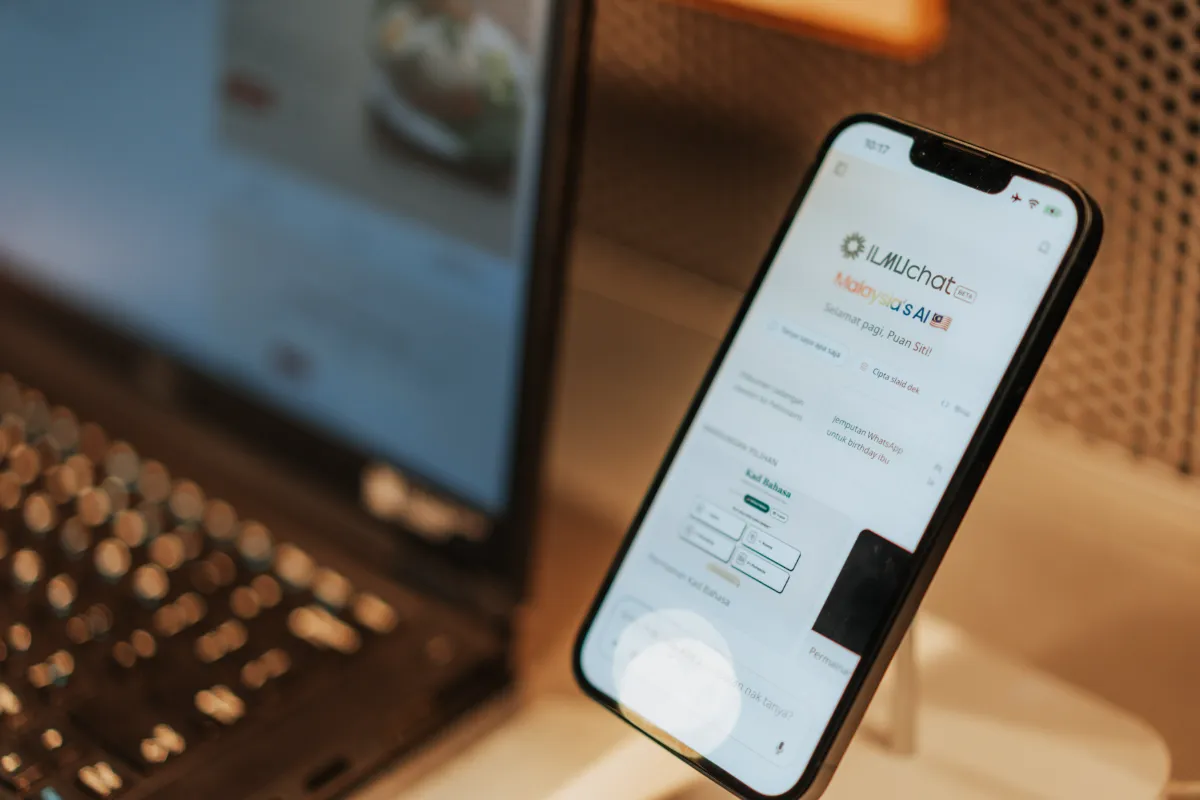
A new homegrown AI assistant hopes to bridge that gap. Developed by YTL AI Labs, Ilmuchat is designed around Malaysian language, culture and everyday habits, aiming to understand conversations in the way locals actually speak rather than expecting polished English prompts.
Built around local conversations
“The way that we talk and the way Americans talk, Chinese talk, are very different,” said YTL AI Labs CEO Foong Chee Mun.
He said Malaysians frequently switch between Bahasa Melayu, English and Chinese within a single sentence, something many overseas AI models struggle to interpret accurately.
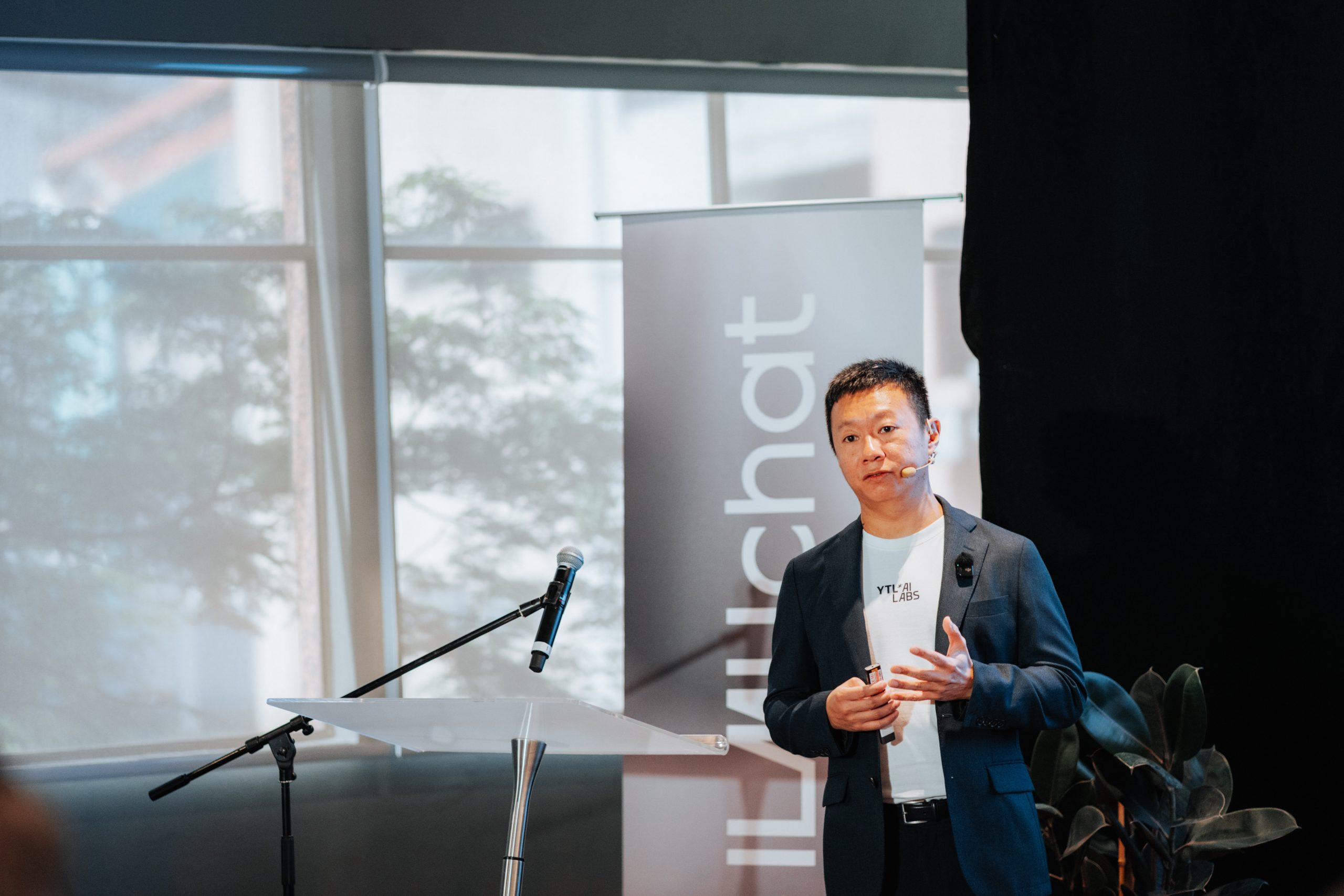
“We want to cater AI for Malaysians, so Malaysians don’t have to change the way that we talk in order to communicate with the AI.”
That local understanding extends beyond language. The chatbot recognises references such as PTPTN, KWSP and regional food, including the differences between kuih lapis commonly found in Kuala Lumpur and the Sarawak version.
The interface also reflects local habits, offering a Bahasa Melayu-first experience, greetings in Manglish and different writing tones ranging from formal business English to casual conversation.
More than just a chatbot
While most people associate AI with answering questions, the platform has expanded into everyday productivity.
Users can generate presentation slides, design posters, create simple applications and games, draft e-mails, letters and proposals, then send them directly through WhatsApp or email.
“The large language model is not something that is just about language,” Foong said.
“You want it to help you solve your problem. How Malaysians are going around their lives. How do we solve problems? How do we work? How do we talk to each other? What do we eat? It becomes extremely important.”
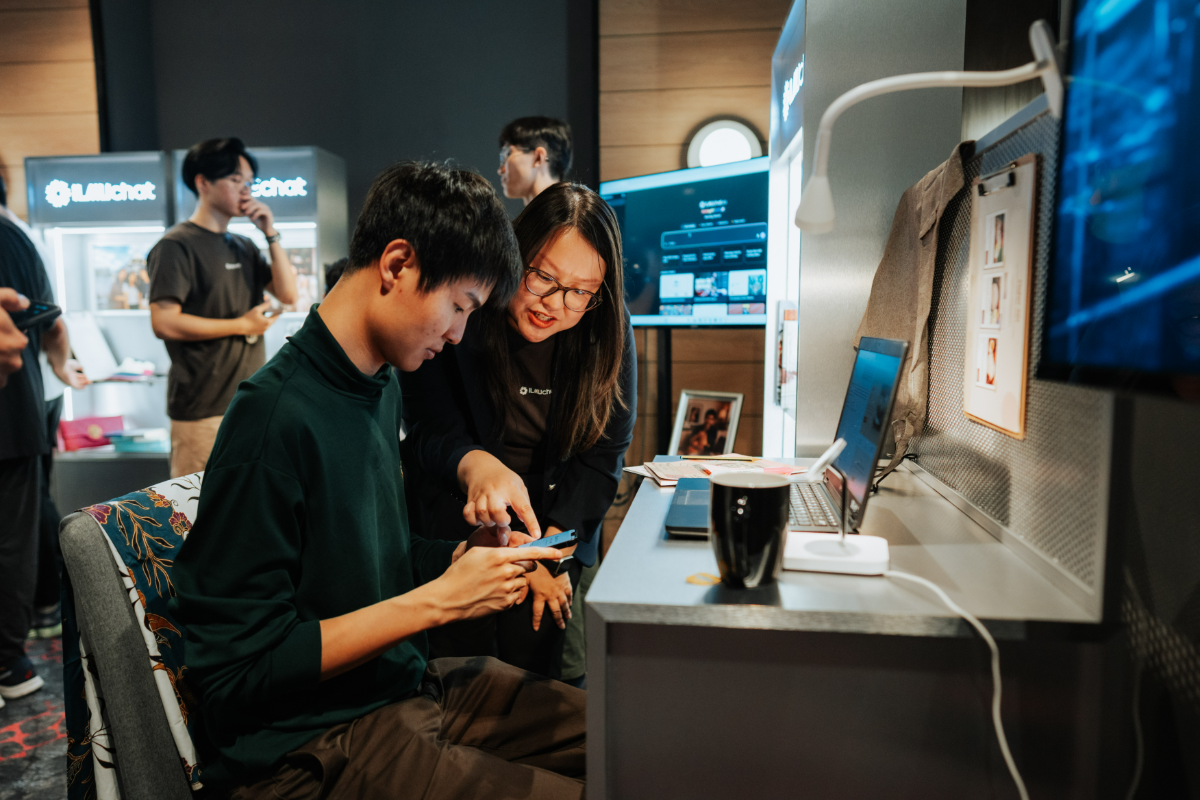
During the launch, demonstrations centred on situations familiar to many Malaysians rather than technical showcases. A medical student used the chatbot to create revision flashcards, organise a debate event, draft scholarship applications and prepare a training schedule for a 10km run.
It also suggested a Sarawak kuih lapis recipe complete with cooking videos.
Another example featured a small business owner using AI to write promotional copies, design menu posters and prepare WhatsApp messages for customers, while also helping her children with homework based on the Malaysian school syllabus.
A sales executive was shown creating presentation slides within minutes, building a quotation calculator despite having no coding experience and even asking the chatbot about possible health concerns affecting his pet cat.
Thinking locally
Foong believes AI becomes more useful when it understands the environment people live in rather than simply translating languages.
“Our integration with WhatsApp is something that very few other top labs are interested in, simply because they don’t use much WhatsApp,” he said.
The chatbot also includes safeguards built around Malaysian social norms.
“Our guardrails are also a lot more sensitive towards racial content, religious content, because we live in a multicultural country,” Foong told theSun.
He explained protections are applied before and after a request is processed, with the system refusing queries involving illegal activities while developers continue testing and improving those safeguards.
Guide for visitors too
Although designed primarily for Malaysians, Foong said the chatbot could also be useful for international visitors exploring the country.
It is able to communicate in multiple languages while drawing on local knowledge to recommend attractions, explain Malaysian food or direct travellers to nearby restaurants.
“If you ask it in French, ‘the best mamak around Bangsar’, it will be able to answer you properly,” he said.
As AI assistants become increasingly common, the biggest difference may not be how much information they can access, but how naturally they fit into daily life.
For Malaysian users, that could mean speaking the way they always have instead of adapting their language for a machine.
READ MORE:
What your AI prompts are costing the planet
Vox machina: When AI takes over your voice
Hallucinations in AI: how to be certain



