




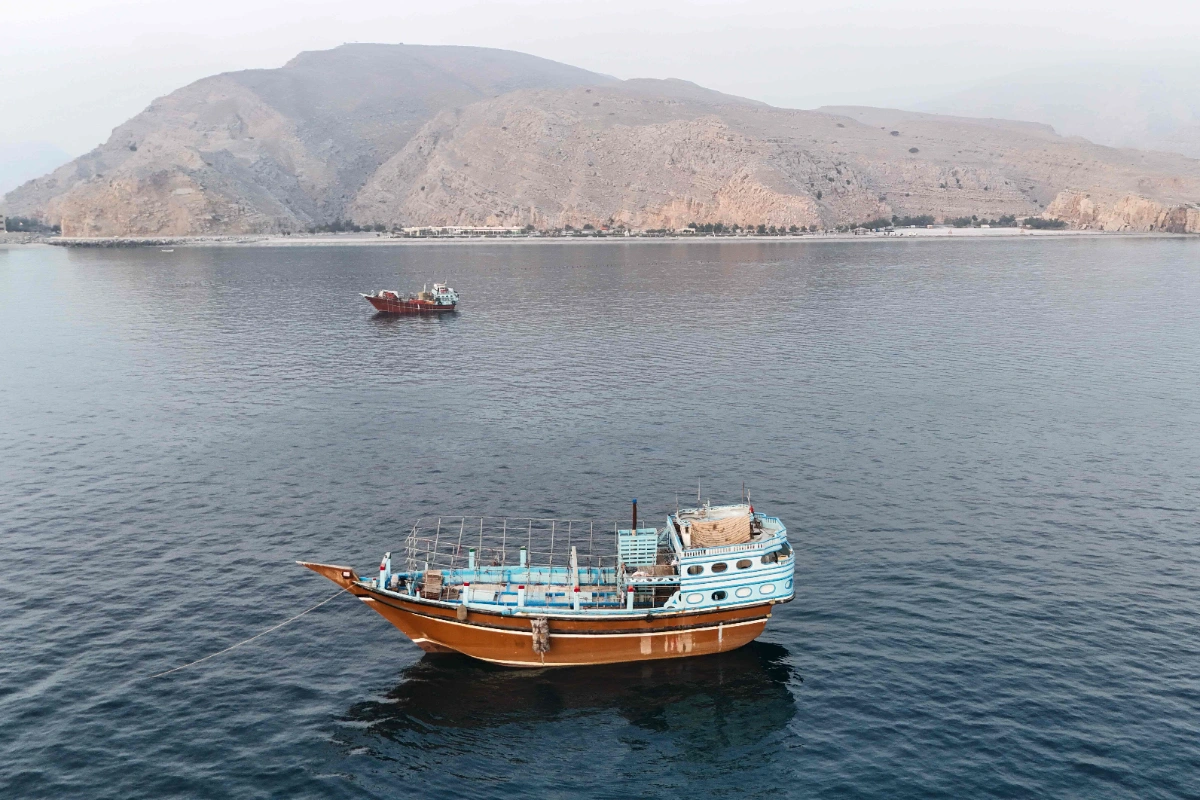
The Strait of Malacca remains central to Malaysian shipping and Asian trade because it connects the economies of the East and West, with about US$7 trillion (RM28.5 trillion) in trade value passing through the waterway.
PETALING JAYA: The Strait of Malacca is facing spillover pressure from the Red Sea and renewed Strait of Hormuz crisis as more vessels change routes, but congestion has been managed by Malaysian ports, the Malaysia Shipowners’ Association (Masa) said.
Its president Mohamed Safwan Othman said the spillover effects of geopolitical disruptions have to be considered as rerouted vessels could add pressure on ports and cargo movement along one of the world’s most important shipping lanes.
READ MORE: Malay pupils’ enrolment in Chinese vernacular schools rises to over 41,000, Parliament told
“The spillover effect must be taken into account as vessels are forced to change course. This will cause congestion at ports, which must be handled by port operators to ensure cargo movement is not disrupted,” he said.
“The Red Sea crisis and the latest crisis in the Strait of Hormuz have shown an increase in the number of vessels changing course.
“However, the congestion that occurred has been managed well by ports in Malaysia.”
He said the Strait of Malacca remains central to Malaysian shipping and Asian trade because it connects the economies of the East and West, with about US$7 trillion (RM28.5 trillion) in trade value passing through the waterway. He also said the strait hosts key Malaysian ports, including Port Klang and the Port of Tanjung Pelepas, which depend on shipping services to move cargo efficiently.
Safwan pointed out that Malacca’s geographical advantage lay in connecting China, Japan and South Korea with major markets such as India, Africa and Europe through a shorter and more time-efficient route than other waterways linking the East and West.
He stressed that the strait’s advantages are supported by the stability of Malaysia, Indonesia and Singapore, which provide efficient navigational assistance and enable services such as ports, bunkering and transshipment to grow.
He added that maintaining peace and close ties among the littoral states is crucial to ensuring international vessel movements are not disrupted. “Through cooperation among the three littoral states, a platform has been established to discuss aspects of navigational safety and environmental protection.
“This cooperation also includes preparedness for oil spills.”
On April 23, Reuters reported that the Hormuz crisis had forced Asian policymakers to examine the security of other maritime chokepoints, including Malacca, which carries nearly 22% of global maritime trade.
Citing the US Energy Information Administration, Reuters said 23.2 million barrels of oil per day passed through Malacca in the first half of 2025, or 29% of total maritime oil flows, compared with 20.9 million barrels per day through Hormuz.
Malaysia’s Marine Department data cited by Reuters showed that more than 102,500 ships transited Malacca in 2025.
Safwan said the Hormuz crisis has affected global energy supply, increasing operating costs for shipping and ports, with the impact felt worldwide and the Strait of Malacca no exception.
He emphasised that Masa has received feedback that sailing schedules are continuing through alternative routes.
“Voyage costs have increased due to higher global fuel prices and are usually borne by charterers.
“As for operating costs, these include insurance, repairs, maintenance, onboard supplies and other costs that have risen due to the increase in fuel prices.”
The renewed Hormuz concern followed Reuters reports on June 20 that Iranian state-linked media had said Tehran has again shut the strait over alleged ceasefire violations by the United States and Israel.
Reuters later reported on June 21, quoting Iran’s Tasnim news agency, that the Iranian government would not reopen the strait as long as the Lebanon ceasefire is not respected and until waivers allowing Iranian oil sales are issued.



