




Teens need space to learn from mistakes, rebuild lives and avoid long-term stigma or trauma: Minister
PETALING JAYA: The government has reaffirmed that minors involved in consensual sexual activity should be protected and rehabilitated rather than criminalised.
This is following recent calls for punitive action against underage girls who willingly engage in sexual intercourse.
In the Dewan Rakyat yesterday, Sri Aman MP Datuk Seri Doris Sophia Brodi expressed concern over the 16,951 out-of-wedlock teenage pregnancies recorded between 2020 and 2024.
She asked the Women, Family and Community Development Ministry about its position on a suggestion by Kelantan police chief Datuk Mohd Yusoff Mamat that girls involved in statutory rape cases should also be charged alongside adult male offenders.
Mohd Yusoff had said nearly 90% of statutory rape cases were found to be consensual, based on police investigations.
“Currently, the law is geared towards prosecuting men only while investigations show that in many cases, both parties were willing (participants).
“When a report is lodged, we still have to open an investigation and charge the man under the Penal Code or the Child Act, even if the act was consensual.”
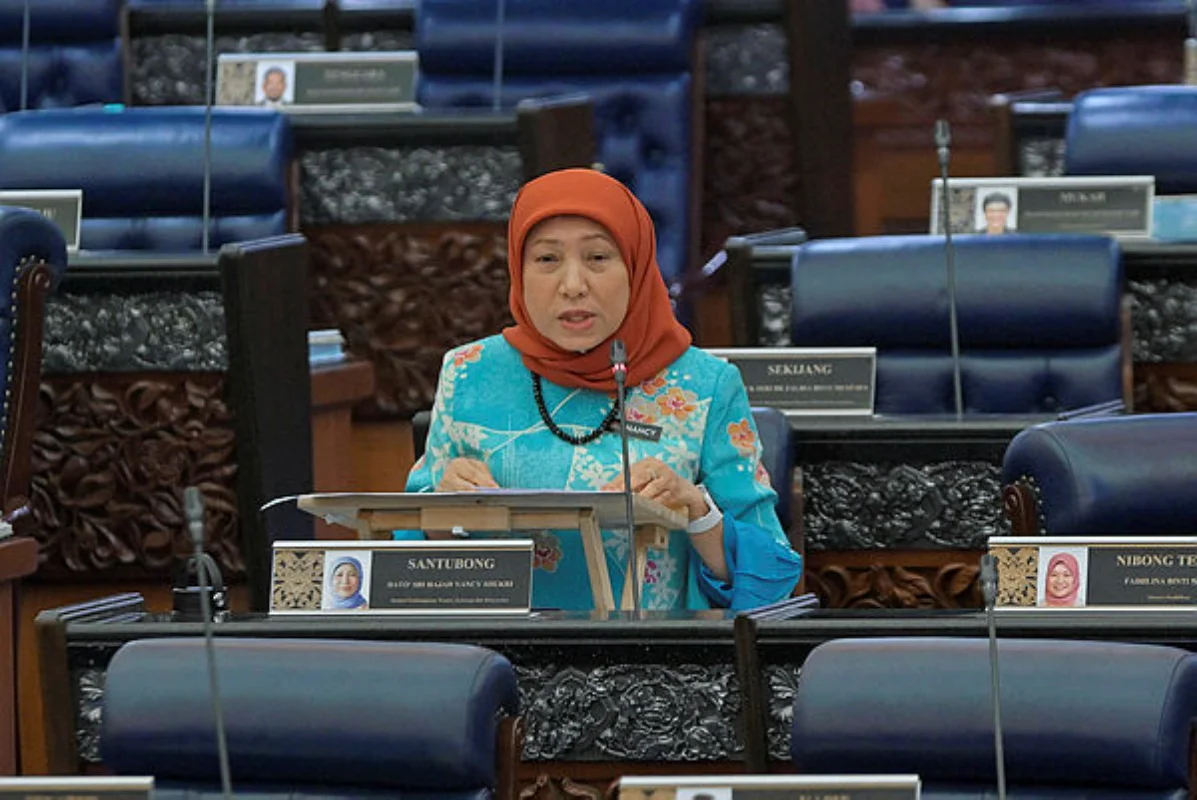
In response to the question by Doris, minister Datuk Seri Nancy Shukri firmly rejected the idea of criminalising minors, adding that existing laws already classify sexual intercourse with a girl under 16 as statutory rape regardless of consent.
Nancy said children lack the maturity and capacity to fully comprehend the long-term consequences of their actions.
“Minors must be protected, guided and rehabilitated, not punished.
“They need space to learn from mistakes, rebuild their lives and avoid long-term stigma or trauma,” said Nancy, adding that this applied equally to underage boys.
She said the ministry prioritises counselling, education and structured support systems to safeguard the wellbeing of children.
She added that existing laws and programmes already focus on intervention, protection and rehabilitation for minors who are in conflict with the law.
Nancy said addressing teenage pregnancy requires more than legislation.
“This issue needs greater public awareness, strong family institutions and community involvement.
“Adults have a responsibility to guide and protect children. They must never be exploited.”
Earlier, Parit Buntar MP Tuan Mohd Misbahul Munir Masduki had requested a racial breakdown of teenage pregnancies and measures to reduce the trend.
Based on Health Ministry data, 16,951 unmarried pregnant teenagers were recorded at government facilities from 2020 to 2024.
A total of 41,842 pregnancies among those aged 19 and below were recorded between 2020 and 2024, covering both married and unmarried teens.
According to the Health Ministry, this involves about 50% Malay, 11% Iban, 9% Orang Asli (Peninsular Malaysia), 5% Chinese, 3% Indian and the remaining comprising various other ethnic groups.
Nancy said the ministry is rolling out several initiatives to address the problem, namely:
the Reproductive and Social Health Education Policy and Action Plan to strengthen reproductive health literacy in schools and communities;
expanded KafeTEEN centres, comprising 18 hubs and a mobile KafeTEEN truck, offering reproductive health services and psychosocial counselling;
peer educator programmes in 143 secondary schools in collaboration with the Education Ministry; and
the upcoming National Family Policy and Action Plan aimed at empowering parents and strengthening family resilience.
Nancy stressed that curbing unwed teen pregnancies requires collective efforts.



